







What's Happening?
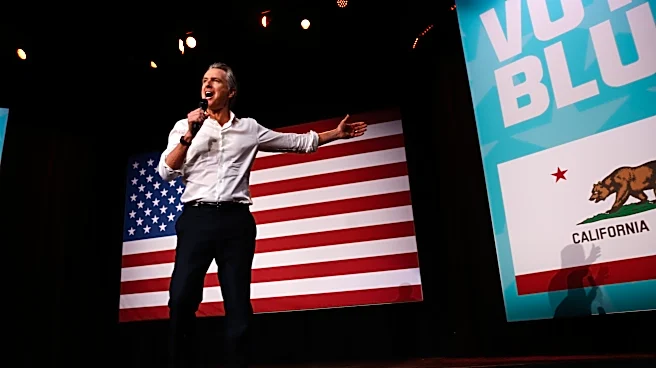
On September 30, 2026, California Governor Gavin Newsom signed Assembly Bill No. 2116 into law, amending the California Financing Law (CFL). This amendment expands the scope of the CFL to include commercial financing providers and brokers, bringing various
non-loan financing products under regulation. These products include accounts receivable purchase transactions, asset-based lending, commercial loans, open-end credit plans, and lease financing for small businesses. The new law, effective January 1, 2028, with licensing requirements operative from July 1, 2028, mandates that commercial financing providers and brokers obtain a license and adhere to specific conduct provisions. This includes requirements for APR disclosure on broker websites, annual reports to the Commissioner of Financial Protection and Innovation, and consideration of a recipient's ability to repay. The amendment specifically targets fintech companies and other non-bank entities involved in bank partnership structures that offer commercial financing via online lending platforms.
Why It's Important?
This legislative change is significant for the small business financing landscape in California, as it introduces a new layer of regulation for a sector previously less scrutinized. By requiring licensing and imposing conduct standards, the law aims to increase transparency and consumer protection for small businesses seeking commercial financing. Fintech companies and other non-depository institutions that partner with banks to offer financing will face new compliance burdens, potentially altering their operational models and increasing costs. The requirement for APR disclosure and annual reporting will provide small businesses with more clarity on financing terms, enabling more informed decisions. Furthermore, the emphasis on a recipient's ability to repay could reduce predatory lending practices and foster a more responsible lending environment, ultimately impacting the accessibility and cost of capital for small businesses in the state.
What's Next?
Commercial financing providers and brokers in California must prepare for the new regulations, which become operative on January 1, 2028, with licensing requirements taking effect on July 1, 2028. Those who submit a complete license application by July 1, 2028, may continue operations while their application is pending. Businesses will need to review and potentially revise their contracts, business practices, and compliance programs to align with the amended CFL. This includes implementing systems for APR disclosure, preparing for annual reporting starting March 15, 2029 (for 2028 activity), and establishing robust processes to assess recipients' ability to repay. Non-compliance could lead to unenforceable financing agreements, monetary penalties, license suspension or revocation, and other enforcement actions by the Commissioner. The industry will likely see a period of adjustment as providers adapt to the new regulatory framework.
Beyond the Headlines
The California Financing Law amendment reflects a broader trend of increased regulatory scrutiny on the fintech sector and non-bank lenders, particularly concerning small business financing. This move could set a precedent for other states to adopt similar regulations, potentially leading to a more standardized and regulated national landscape for commercial financing. The focus on transparency and responsible lending practices addresses concerns about potential exploitation of small businesses that may lack the resources or expertise to navigate complex financing terms. While the immediate impact will be on compliance costs and operational adjustments for providers, the long-term implications could include a more equitable and secure financing environment for small businesses, fostering greater trust in alternative lending platforms. This legislative action highlights the evolving regulatory approach to financial innovation and consumer protection in the digital age.