







What's Happening?
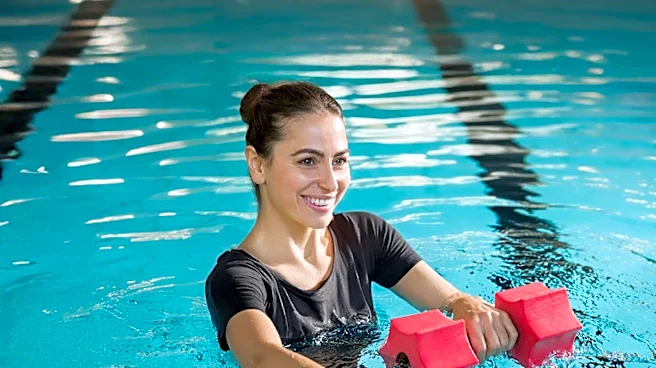
Medical professionals are highlighting aqua fitness, also known as water aerobics, as a highly effective and low-impact exercise suitable for nearly all body types and fitness levels. Dr. Nneoma Oparaji, a physician triple board-certified in internal
medicine, obesity medicine, and lifestyle medicine, emphasizes that water exercise provides resistance training, building muscle strength and endurance without stressing joints. Dr. Simran Malhotra, also triple board-certified in internal medicine, hospice & palliative care, and lifestyle medicine, notes that water-based exercise can be as effective as land-based exercise for managing various health markers, including blood sugar control and blood pressure. The buoyancy of water reduces body weight by 69% to 85%, lessening impact on joints while simultaneously creating multi-directional resistance that engages multiple muscle groups. This unique combination makes it beneficial for individuals recovering from injuries, managing chronic conditions like osteoarthritis, diabetes, and heart disease, and even enhancing athletic performance.
Why It's Important?
The widespread endorsement of aqua fitness by medical experts underscores its significance as an accessible and inclusive exercise option in the U.S. healthcare landscape. Its low-impact nature makes it particularly valuable for an aging population and individuals with chronic conditions, offering a pathway to improved physical health without the high risk of injury associated with land-based exercises. This can lead to reduced healthcare costs related to joint pain and rehabilitation, as well as improved quality of life for many. For the fitness industry, this medical validation could drive increased participation in water-based programs, potentially leading to new class offerings and specialized equipment development. Furthermore, it provides a viable exercise solution for those who might otherwise be sedentary due to physical limitations, promoting broader public health benefits.
What's Next?
Given the medical community's strong endorsement, it is likely that aqua fitness programs will see increased promotion and integration into wellness initiatives across the U.S. Healthcare providers may more frequently recommend water aerobics as a therapeutic exercise for patients with joint issues, cardiovascular conditions, or those in rehabilitation. Fitness centers and community pools could expand their aqua fitness offerings, potentially introducing more specialized classes tailored to different age groups or health needs. There may also be a rise in demand for specialized aquatic exercise equipment, such as buoyancy belts and water exercise blades, as more individuals and facilities adopt these workouts. Public health campaigns might also leverage these findings to encourage wider participation in water-based activities as a safe and effective way to maintain physical health.
Beyond the Headlines
Beyond its immediate health benefits, the growing recognition of aqua fitness highlights a broader shift towards more inclusive and adaptable exercise modalities. This trend reflects a societal need for physical activities that accommodate diverse physical capabilities and health statuses, moving away from a one-size-fits-all approach to fitness. Ethically, promoting aqua fitness can help address health disparities by offering an accessible exercise option to individuals who might be excluded from traditional high-impact workouts due to age, weight, or chronic pain. Culturally, it could foster a more supportive and less intimidating fitness environment, encouraging greater participation among those who feel self-conscious in conventional gym settings. This emphasis on adaptable exercise also aligns with a holistic view of wellness, recognizing the mental health benefits, such as stress reduction and community building, that often accompany group fitness activities in a supportive environment.