

What's Happening?
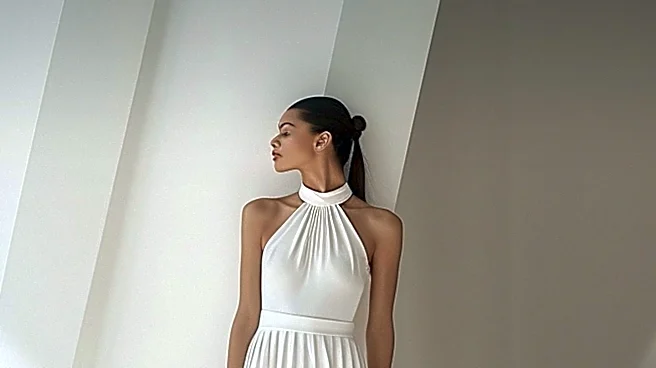
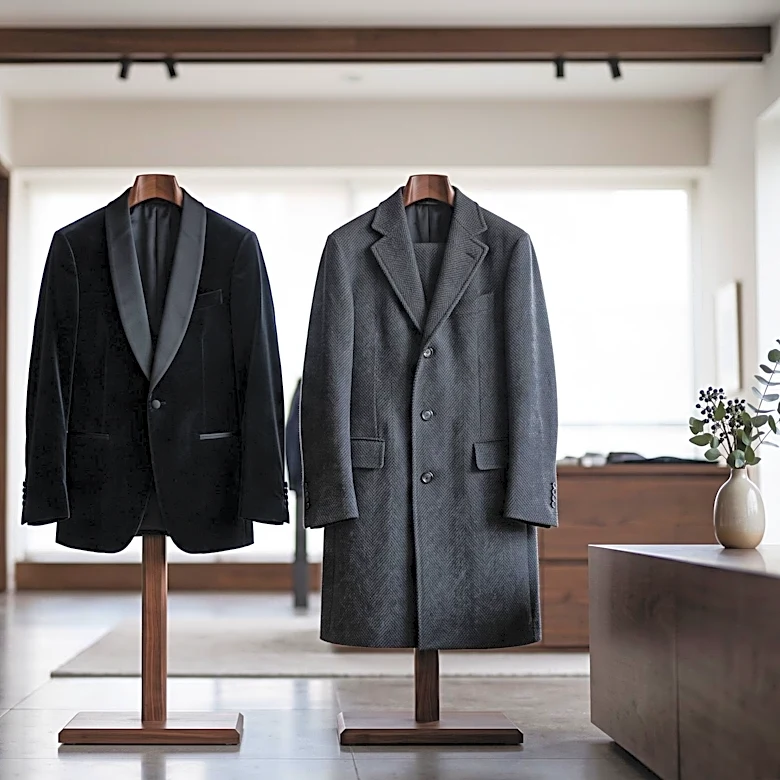
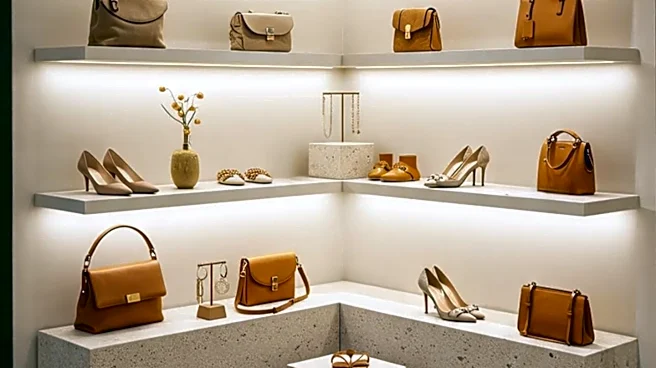
Minimalism, characterized by neutral palettes and simple silhouettes, has been the defining aesthetic of the past decade, favored by social media algorithms for its recognizable and repeatable nature. However, a new trend, maximalism, is gaining prominence.
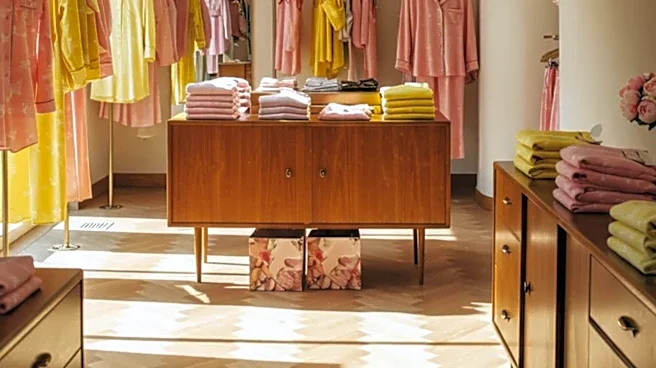
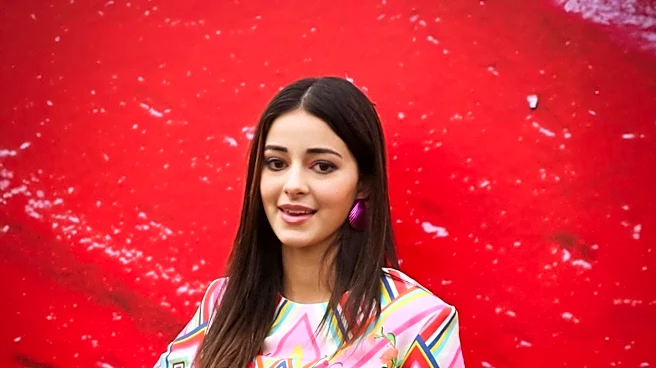
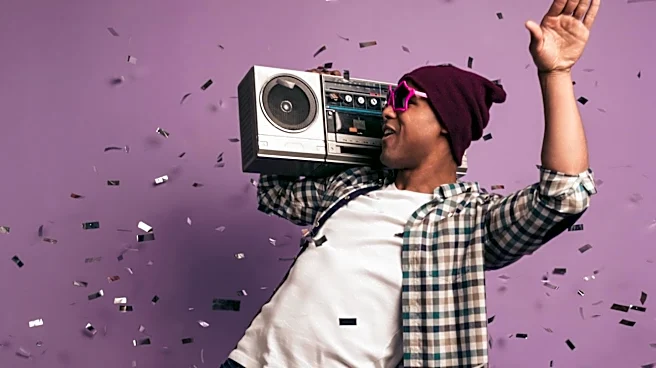
Maximalism is described as louder, messier, and more personal, incorporating clashing prints, improbable accessories, and unique combinations of colors and patterns. This shift is seen as a reaction against the uniformity encouraged by algorithms, which often lead to an entire generation adopting similar styles. Maximalism emphasizes individual expression and the freedom to combine items based on personal logic, rather than adhering to prescribed aesthetic rules. This movement suggests a desire to reclaim personal taste in a world increasingly shaped by digital influences and algorithmic recommendations.
Why It's Important?
The rise of maximalism signifies a broader cultural shift away from algorithmic conformity and towards individual expression. For consumers, this means a greater emphasis on personal style and less pressure to adhere to popular, algorithm-driven trends. This could lead to a more diverse and creative fashion landscape, encouraging unique choices rather than mass adoption of identical items. For businesses in the fashion and home decor industries, this shift may necessitate a re-evaluation of product lines and marketing strategies. Brands might need to offer more diverse and customizable options to cater to consumers seeking to express their individuality. The decline of minimalism's dominance also reflects a potential pushback against the idea that simplicity equates to effortless individuality, revealing a desire for more authentic and less curated self-presentation.
What's Next?
As maximalism continues to gain traction, it is likely to influence various sectors beyond fashion, including interior design, art, and digital content creation. We may see an increase in demand for unique, handcrafted, and eclectic items, as well as a greater appreciation for bold colors and intricate patterns. Social media platforms might also adapt, with algorithms potentially evolving to favor more diverse and personalized content, rather than solely promoting easily digestible, uniform aesthetics. Consumers may become more discerning about their purchases, prioritizing items that reflect their personality over those that simply align with current trends. This could lead to a more sustainable approach to consumption, as individuals invest in pieces they genuinely love rather than constantly updating their wardrobes to match fleeting minimalist trends.
Beyond the Headlines
The shift from minimalism to maximalism can be interpreted as a broader societal commentary on authenticity and control in the digital age. Minimalism, while promoting order and ease, inadvertently led to a form of aesthetic conformity driven by algorithms. Maximalism, in contrast, represents a rebellion against this uniformity, advocating for personal judgment and self-expression over algorithmic dictation. This trend highlights the ongoing tension between individual identity and the homogenizing forces of digital culture. It suggests a growing desire among individuals to assert their unique tastes and personalities, even if it means embracing what might be perceived as 'chaotic' or 'messy' by conventional standards. This movement could foster a more inclusive and diverse cultural landscape, where individuality is celebrated rather than streamlined.