



What's Happening?
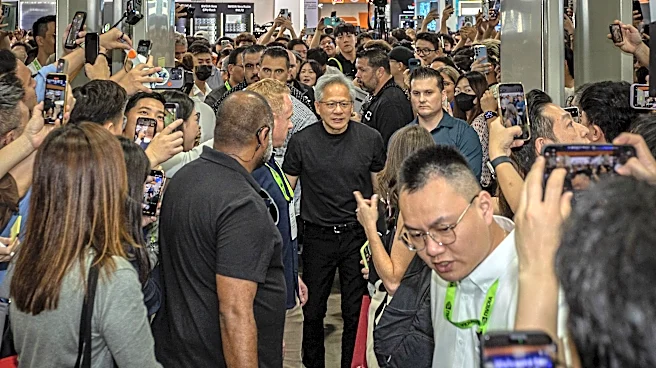
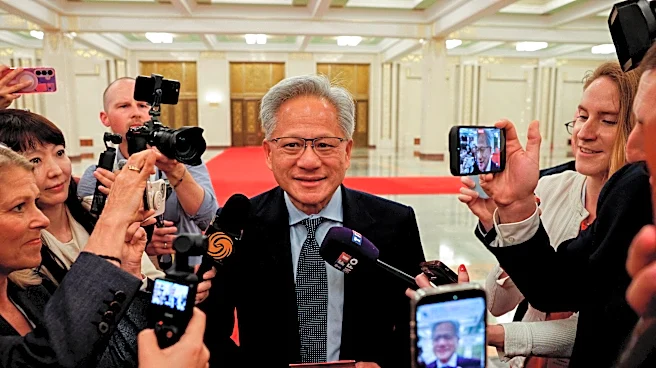
Nvidia's 10-person board unanimously voted to reinstate Jensen Huang as president, CEO, and a board member, just six days after accepting his resignation. Huang had resigned following his admission of an affair with a woman suspected of being a Chinese
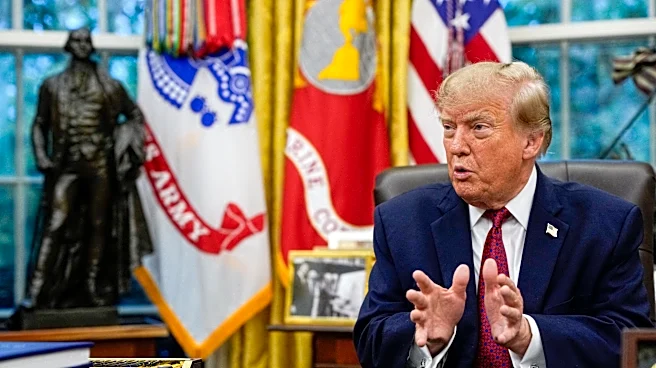
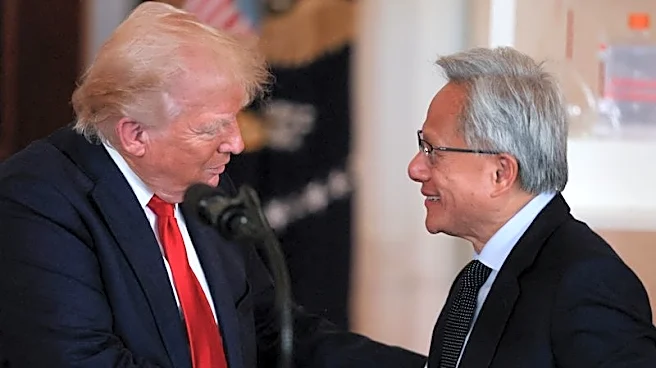
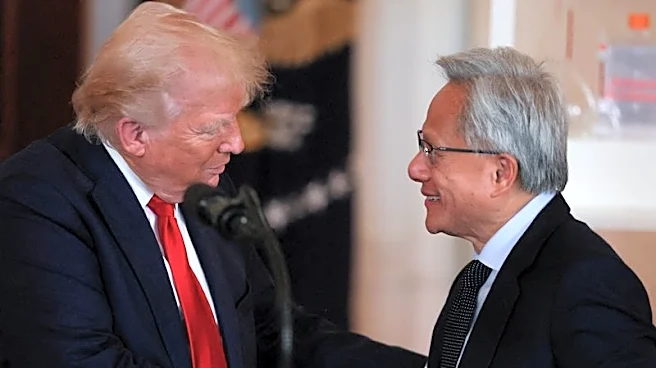
spy. The board's reversal came after discussions with Huang and 'input from senior levels of the United States government,' with President Trump stating his intervention was crucial. This decision has drawn significant criticism regarding the board's independence and the influence of political figures in corporate governance. Corporate governance experts, such as Kathleen Day of Johns Hopkins Carey Business School, have called the reinstatement 'crazy' and urged shareholders to demand a new board. Lawmakers, including Democratic Senator Elizabeth Warren and Senator Kirsten Gillibrand, have expressed concerns about national security risks and are demanding answers from Huang and the board. California Attorney General Rob Bonta is also investigating Nvidia in connection with Huang's affair and potential export control violations.
Why It's Important?
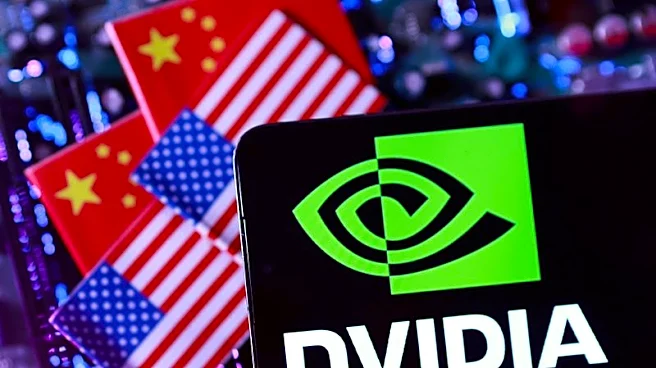
The reinstatement of Jensen Huang at Nvidia, particularly with the acknowledged intervention of President Trump, raises critical questions about corporate governance, board independence, and the intersection of business and politics in the U.S. This event could set a precedent for increased political influence in corporate decision-making, potentially undermining the traditional role of independent boards in representing shareholder interests. The controversy also highlights national security concerns related to potential technology transfer to China, especially given Huang's affair with a suspected Chinese spy. This could lead to stricter scrutiny of U.S. tech companies' international dealings and their compliance with export controls. The situation also puts a spotlight on the long tenures of some board members, with experts suggesting that extended service can compromise independence, potentially leading to calls for reforms in board composition and term limits across U.S. corporations.
What's Next?
The Nvidia board and CEO Jensen Huang are expected to face continued pressure from lawmakers and corporate governance experts. Democratic Senator Elizabeth Warren, incoming chair of the Senate Banking Committee, has stated that Huang and the board 'still owe Congress answers,' indicating potential congressional hearings or investigations. Senator Kirsten Gillibrand has explicitly called for both Huang and the board to testify publicly to Congress, suggesting that the issue is far from resolved. California Attorney General Rob Bonta's ongoing investigation into Nvidia regarding potential chip or confidential information transfer to China and misleading investors will likely proceed, potentially leading to legal actions. The incident may also prompt shareholders to demand changes in Nvidia's board composition, and could lead to broader discussions and potential legislative efforts regarding corporate governance standards and the extent of presidential influence in private sector decisions.
Beyond the Headlines
This incident delves into deeper implications concerning the integrity of corporate governance and the potential for 'crony capitalism' in the U.S. The direct intervention of President Trump in a private company's leadership decision blurs the lines between government and corporate autonomy, raising ethical questions about undue influence and fairness in the marketplace. It could embolden elected officials to take more aggressive actions in their relationships with businesses, potentially leading to a more politicized corporate landscape. Furthermore, the national security implications tied to Huang's affair and Nvidia's technology underscore the growing geopolitical tensions and the critical role U.S. tech companies play in national defense and economic competitiveness. This event may trigger a re-evaluation of how U.S. companies manage executive conduct, especially when it involves foreign nationals and sensitive information, potentially leading to enhanced internal security protocols and stricter vetting processes for top executives.