





What's Happening?
Appleton gardeners recently gathered for a free seed swap event at Tardigrades, an initiative aimed at preparing for the upcoming spring growing season. The event, held on November 8, brought together community members to exchange various seeds, including
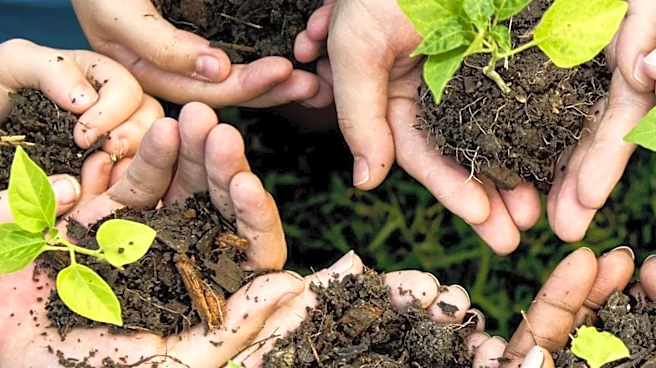
native plant seeds, vegetables, and heirloom varieties. Organized in collaboration with Common Roots Rising and the Appleton Seed Library, the swap provided a platform for gardeners of all experience levels to learn about seed preservation techniques and connect with fellow gardening enthusiasts. Mark Gehrke, co-organizer of the seed swap and founder of Common Roots Rising, emphasized that the event's purpose extends beyond mere preparation for the next gardening season, focusing on educating the public about growing their own food, saving seeds, and promoting local food resources. The timing of the event in November was intentional, as it allows gardeners to share seeds collected throughout the fall from their gardens and native plants. Demonstrations were also featured, including hands-on sessions on separating and cleaning seeds, with some activities tailored for children to learn about plant reproduction.
Why It's Important?
This seed swap event is important for fostering community engagement and promoting sustainable gardening practices within Appleton. By encouraging the exchange of seeds and knowledge, it strengthens local food systems and reduces reliance on commercial seed suppliers. The event's focus on educating residents about growing their own food and saving seeds contributes to food security and self-sufficiency at a local level. Furthermore, the revival of the Appleton Seed Library, which had been on hiatus due to the COVID-19 pandemic, signifies a renewed commitment to providing accessible gardening resources to the community. This initiative helps preserve biodiversity by promoting the use of heirloom and native plant varieties, which are often overlooked in mainstream agriculture. The connections forged between gardeners and local organizations at such events can lead to collaborative projects and a more resilient, interconnected community dedicated to environmental stewardship and local food initiatives.
What's Next?
Following the success of the recent seed swap, organizers plan to host another event in the spring, providing residents with an additional opportunity to exchange seeds before the planting season officially begins. In the interim, the Appleton Seed Library remains operational at Tardigrades during regular business hours, allowing community members to pick up or contribute seeds. Mark Gehrke encourages anyone interested in gardening, seed saving, or local food projects to get involved and connect with the initiatives. The continued availability of the seed library and future events will further support local gardeners and contribute to the growth of a sustainable food culture in Appleton. These ongoing efforts aim to build on the momentum generated by the recent swap, ensuring that resources and knowledge remain accessible to all who wish to participate in local food and gardening endeavors.
Beyond the Headlines
The Appleton seed swap and the re-establishment of the Appleton Seed Library highlight a broader trend towards community-led initiatives that address food sovereignty and environmental sustainability. These efforts go beyond simply providing seeds; they cultivate a sense of shared responsibility and collective action in nurturing local ecosystems and food sources. The emphasis on saving and exchanging heirloom and native seeds also carries significant cultural and ecological implications, preserving genetic diversity and traditional gardening practices that might otherwise be lost. Such community-driven projects can serve as models for other towns and cities looking to enhance local resilience, promote environmental education, and strengthen social bonds through shared interests. The act of sharing seeds, as noted by Appleton Seed Library founder Kari Witthuhn-Henning, is seen as a fundamental act of sharing resources and knowledge, reflecting a deeper philosophy of interconnectedness within the community and with the natural world.