







What's Happening?
The global shipping industry is experiencing a significant workforce shortage, as highlighted in the Seafarer Workforce Report 2026. The report, released by BIMCO and the International Chamber of Shipping (ICS), indicates that the industry will require
an additional 113,735 officers by 2030 to manage the expanding global merchant fleet. This shortage is exacerbated by the rapid growth in fleet numbers, which has not been matched by the recruitment and training of certified seafarers. The report also notes a persistent imbalance in the supply and demand for seafarers, with a current shortage of 39,100 officers and a surplus of 56,890 ratings. The industry is further challenged by high turnover rates, an aging workforce, and a lack of gender diversity.
Why It's Important?
The workforce shortage in the shipping industry has significant implications for global trade and economic stability. As the demand for shipping services continues to rise, the inability to adequately staff vessels could lead to delays and increased costs for goods transportation. This situation could impact various sectors reliant on maritime trade, including manufacturing, retail, and energy. Additionally, the shortage highlights the need for strategic investments in recruitment and training to ensure a sustainable workforce. Addressing these challenges is crucial for maintaining the efficiency and reliability of global supply chains.
What's Next?
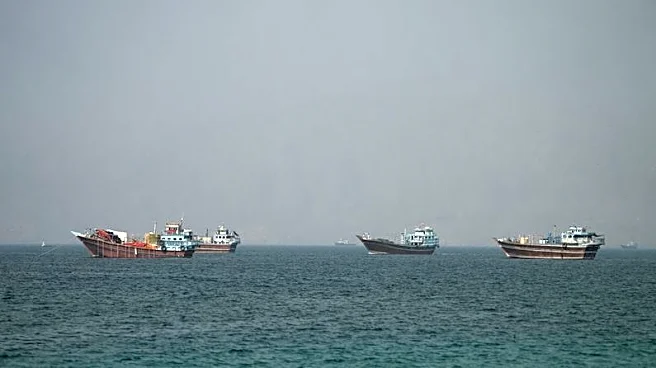
To address the workforce shortage, the shipping industry must focus on enhancing recruitment efforts and improving training programs. This includes engaging with young people to build a pipeline of future talent and retaining existing seafarers through better working conditions and career development opportunities. The industry may also need to explore technological solutions to optimize operations and reduce reliance on human labor. Furthermore, international cooperation and policy interventions may be necessary to address geopolitical tensions affecting seafarers, such as those in the Strait of Hormuz.
Beyond the Headlines
The workforce crisis in the shipping industry also raises ethical and cultural considerations. The aging population of seafarers and the lack of diversity highlight the need for more inclusive recruitment practices. Encouraging greater participation of women and underrepresented groups could help address the workforce gap. Additionally, the industry must consider the long-term impacts of automation and digitalization on employment, ensuring that technological advancements do not exacerbate existing inequalities.