


What's Happening?
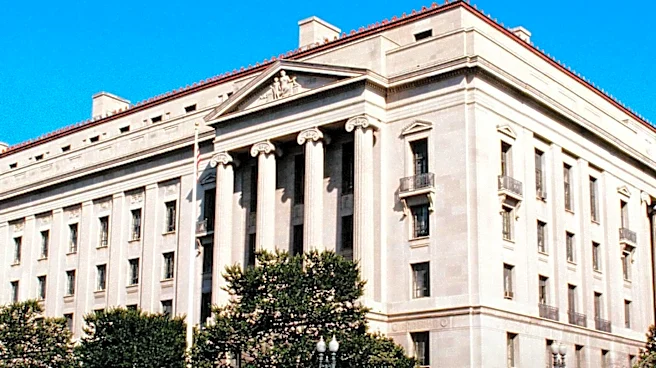
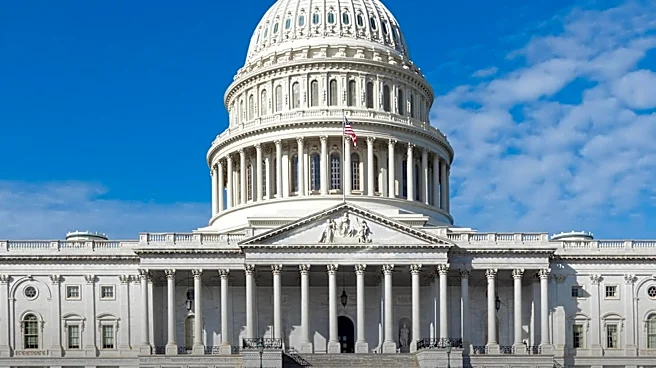
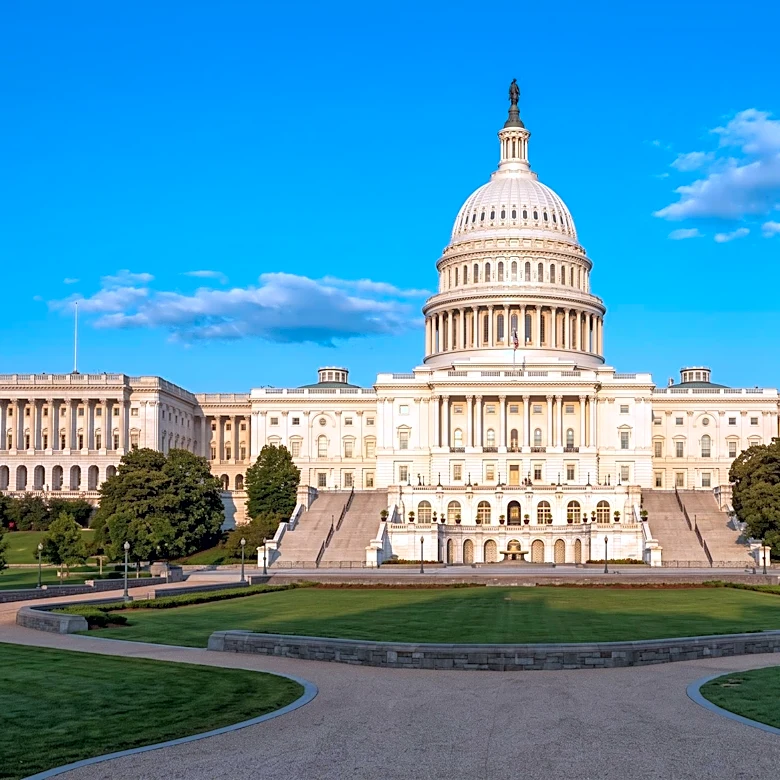
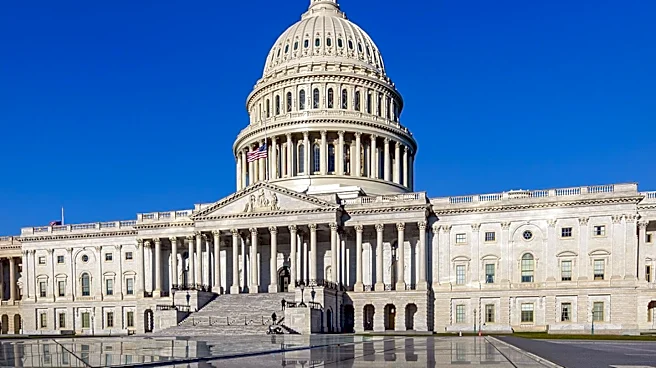
The U.S. House of Representatives has unanimously passed the bipartisan Protecting American Industry and Labor from International Trade Crimes (PAIL) Act. Co-led by Representative Raja Krishnamoorthi (D-IL), the legislation aims to bolster the Justice
Department's efforts in investigating and prosecuting trade crimes. The PAIL Act seeks to establish a dedicated structure within the Department of Justice for handling trade-related cases, enhance coordination and training among law enforcement agencies, and mandate annual reporting to Congress on these activities. This measure is designed to address various trade violations, including tariff evasion, illegal transshipment, and violations related to forced labor, which impact American workers and manufacturers. The bill has garnered bipartisan support and is now awaiting consideration by the Senate.
Why It's Important?
The passage of the PAIL Act is significant for protecting U.S. industries and labor from unfair and illegal trade practices. Trade crimes, such as tariff evasion and the use of forced labor, can undermine the competitiveness of American businesses, lead to job losses, and compromise product quality and safety standards. By strengthening the Justice Department's capacity to prosecute these offenses, the act aims to create a more level playing field for domestic manufacturers and ensure that international trade adheres to established rules and ethical standards. This legislation could help safeguard American jobs, promote fair competition, and protect consumers from potentially harmful or illegally produced goods entering the U.S. market. The unanimous vote in the House underscores the broad recognition of the need to address these issues effectively.
What's Next?
Following its unanimous passage in the House, the PAIL Act will now move to the Senate for consideration. Supporters of the bill are urging the Senate to pass the measure and send it to the President for enactment. If signed into law, the Justice Department will be tasked with implementing the provisions of the act, including establishing the dedicated structure for trade-related cases and enhancing inter-agency coordination. The annual reporting requirement to Congress will ensure ongoing oversight and accountability regarding the enforcement of trade crime laws. The effectiveness of the act will depend on its successful passage in the Senate and the subsequent commitment of resources and strategic implementation by the Justice Department.
Beyond the Headlines
Beyond its immediate impact on trade enforcement, the PAIL Act reflects a broader legislative focus on economic nationalism and the protection of domestic industries in the face of globalized trade. The emphasis on combating forced labor violations also highlights growing concerns about human rights in international supply chains and the ethical implications of goods entering the U.S. market. This legislation could set a precedent for more stringent oversight of international trade practices and potentially influence future trade agreements and policies. It also signals a bipartisan consensus on the importance of robust enforcement mechanisms to uphold fair trade principles, which could have long-term implications for U.S. economic policy and international relations.