





What's Happening?
According to Feng Shui traditions and Chinese gift etiquette, certain housewarming gifts are considered auspicious for promoting prosperity and positive energy, while others are believed to bring misfortune. Recommended gifts include citrine or crystal
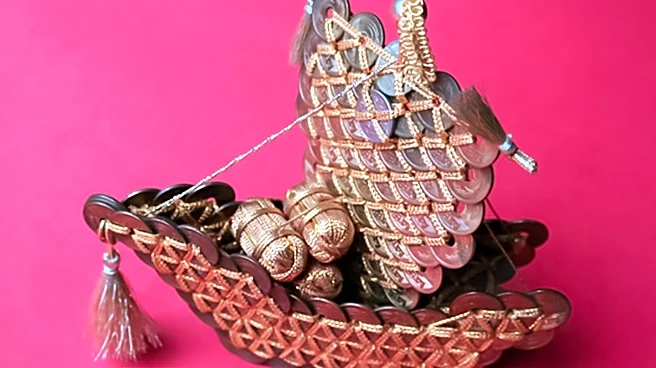
money trees, lucky bamboo, feng shui coins on red string, laughing Buddha statues, and small singing bowls. These items are thought to invite abundance, calm, or protection into a new home. Conversely, gifts to avoid include clocks, knives or other sharp objects, cacti and thorny plants, empty wallets or containers, and pears. These items are associated with endings, cutting relationships, prickly energy, lack, or parting, respectively. The intention behind the gift and its placement within the home are considered as important as the object itself, with specific areas like the southeast wealth corner often recommended for prosperity-related items.
Why It's Important?
Adhering to Feng Shui gift-giving etiquette is important as it reflects cultural sensitivity and a desire to convey positive wishes to recipients. While not scientifically validated, these traditions hold significant cultural weight and can influence how a gift is perceived. Giving an auspicious gift can strengthen social bonds and demonstrate thoughtfulness, aligning with the recipient's beliefs about energy flow and good fortune. Conversely, inadvertently giving a taboo gift, such as a clock (which sounds like 'attending a funeral ritual' in Mandarin), could be misinterpreted and cause discomfort, even if unintended. This practice highlights the intricate connection between cultural beliefs, personal well-being, and the symbolic power attributed to everyday objects, impacting social interactions and the perceived harmony of a new living space.
What's Next?
As cultural awareness grows, there may be an increased demand for retailers to offer curated selections of Feng Shui-appropriate gifts, complete with explanations of their symbolism and recommended placements. Educational resources on gift etiquette, particularly for diverse cultural contexts, are likely to become more prevalent, helping individuals navigate social situations with greater sensitivity. This trend could also lead to more personalized gift-giving, where givers consider the recipient's specific beliefs and preferences regarding Feng Shui. The continued blending of traditional practices with modern consumerism will likely see more products marketed with their Feng Shui significance, influencing purchasing decisions for housewarming and other celebratory occasions.
Beyond the Headlines
The practice of selecting housewarming gifts based on Feng Shui principles extends beyond mere superstition; it reflects a deeper human desire to imbue objects with meaning and to influence future outcomes through symbolic actions. This tradition underscores the psychological comfort and sense of control that people derive from believing they can shape their environment and destiny. It also highlights the enduring power of cultural narratives and linguistic nuances (like homophones) in shaping social customs and taboos. In a globalized world, understanding and respecting such traditions becomes a crucial aspect of cross-cultural communication and relationship-building, fostering a sense of connection and mutual respect that transcends superficial interactions. It encourages a mindful approach to consumption, where items are chosen not just for their utility or aesthetic appeal, but for their perceived energetic and symbolic value.