






What's Happening?
Oklo Inc., a California-based company, has clarified its intentions for a potential facility in Indiana's LEAP District, stating it does not plan to build an electricity-producing nuclear reactor there. The company is considering the site near Lebanon
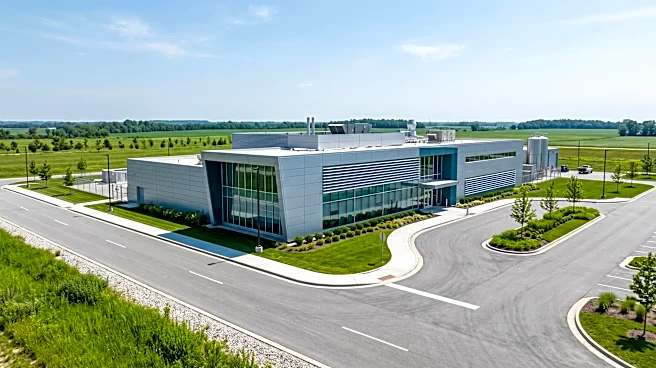
for a medical radiopharmaceuticals plant, which would include a reactor for producing radioisotopes for medical use. This clarification comes after questions from legislators and public criticism regarding the possibility of nuclear power generation at the site. Information distributed at a public open house indicated plans for a $1.5 billion facility focused on isotope production. Oklo has also revised its agreement with the Indiana Economic Development Corp. (IEDC), reducing its possible land purchase from up to 440 acres to a maximum of 220 acres. The initial contract from September had listed 'nuclear power generation' as a possible use for the site.
Why It's Important?
This development is significant for the LEAP District and the broader energy and medical sectors in the U.S. The exclusion of nuclear power generation addresses concerns raised by Democratic legislators and the public about the environmental and safety implications of such a facility in the area. By focusing solely on medical radioisotope production, Oklo Inc. aims to contribute to the growing demand for these critical components in healthcare, which are essential for diagnostics and treatments. The $1.5 billion investment signifies a substantial economic boost for central Indiana, creating jobs and fostering technological advancement in the medical field. However, the IEDC's lack of transparency regarding the updated agreement and project details continues to draw criticism, highlighting ongoing challenges in public-private partnerships for large-scale developments.
What's Next?
Oklo Inc. has not yet made a final decision on proceeding with the project in the LEAP District. Should they move forward, the next steps would involve detailed planning, regulatory approvals for the medical radioisotope production facility, and construction. The IEDC will likely continue to face scrutiny regarding its transparency and the overall development of the LEAP District, especially concerning the allocation of public funds. The State Budget Committee has already approved an IEDC request for $20 million in agency funding to expand the LEAP District by 185 acres specifically for the Oklo project. Future discussions will likely revolve around the economic benefits versus the environmental and community impacts of such a specialized industrial development.
Beyond the Headlines
The situation in the LEAP District highlights a broader national conversation about the balance between economic development, technological innovation, and public accountability. The initial ambiguity surrounding Oklo Inc.'s plans, particularly the mention of nuclear power generation, underscores the need for clear communication from both companies and government agencies in large-scale projects. The focus on medical radioisotope production, while beneficial for healthcare, also raises questions about the safe handling and disposal of radioactive materials, even if not for power generation. This case could set a precedent for how future high-tech and potentially sensitive industrial developments are introduced and managed in communities across the U.S., emphasizing the importance of early and comprehensive public engagement to mitigate concerns and build trust.