




What's Happening?
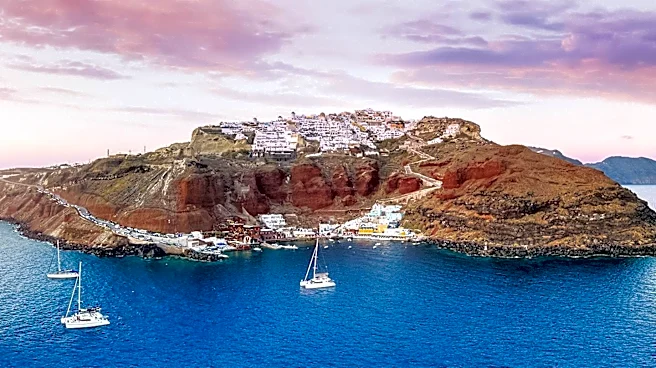
Sifnos, a Greek island in the Cyclades, is being highlighted as a significantly less crowded yet equally charming alternative to popular tourist destinations like Santorini and Mykonos. While Santorini attracts approximately three million tourists annually,
Sifnos sees around 126,000 visitors per year, making it 26 times quieter. Despite its smaller population of 2,600 residents, Sifnos is celebrated for its unspoiled scenery, vibrant culture, and authentic Greek charm. The island boasts sandy beaches, scenic hiking trails, whitewashed villages, and traditional Greek cuisine. Its culinary scene is particularly notable, being the birthplace of Nikolaos Tselementes, considered the father of modern Greek gastronomy. Local traditions include slow-cooking specialties in clay pots, such as chickpea soup (revithada) and lamb-and-red-wine stew (mastelo). Popular activities include exploring beaches like Platis Gialos, Vathi, and Kamares, wandering the alleyways of Apollonia, the main village, and visiting Kastro, a medieval settlement with sea views.
Why It's Important?
The emergence of Sifnos as a viable alternative to overcrowded tourist hotspots like Santorini is significant for several reasons. For travelers, it offers an opportunity to experience the quintessential Greek island charm without the common downsides of mass tourism, such as long queues, packed streets, and inflated prices. This shift could lead to a more sustainable tourism model, distributing visitor numbers more evenly across different islands and reducing the environmental and social strain on overtouristed areas. For the local economy of Sifnos, increased, albeit controlled, tourism could bring economic benefits, supporting local businesses, artisans, and the culinary scene. It also highlights a growing trend among travelers seeking more authentic and peaceful experiences, moving away from the 'Instagrammable' but often overwhelming destinations. This could influence travel industry trends, encouraging tour operators and travel agencies to promote lesser-known destinations that offer similar cultural and scenic value.
What's Next?
As awareness of Sifnos grows, it is likely to attract a steadily increasing number of tourists seeking a more tranquil Greek island experience. Travel influencers and publications are already promoting the island, which could lead to a gradual rise in visitor numbers. However, Sifnos's accessibility, requiring a flight to Athens followed by a ferry, may help manage the pace of its growth, preventing it from becoming immediately overwhelmed. Local authorities and businesses on Sifnos may need to consider strategies for sustainable tourism development to preserve the island's authentic character and natural beauty as its popularity increases. This could involve developing infrastructure that supports tourism without compromising local traditions or the environment. The success of Sifnos as an alternative could also inspire other less-visited Greek islands to market themselves similarly, potentially diversifying the Greek tourism landscape and offering more varied options for international travelers.
Beyond the Headlines
The appeal of Sifnos reflects a broader cultural shift in travel preferences, moving away from purely iconic, often commercialized destinations towards more authentic, immersive, and sustainable experiences. This trend is driven by a desire for genuine cultural engagement, a slower pace of travel, and a conscious effort to avoid the negative impacts of overtourism. The island's emphasis on its culinary heritage, with traditional cooking methods and local specialties, taps into the growing interest in gastronomic tourism, where food becomes a central part of the travel experience. Furthermore, the 'underrated' status of Sifnos highlights the value of exploring beyond mainstream travel narratives, encouraging a more adventurous and discerning approach to holiday planning. This could foster a greater appreciation for local cultures and economies, promoting a more respectful and beneficial interaction between tourists and host communities, ultimately contributing to a more diverse and resilient global tourism industry.