




What's Happening?
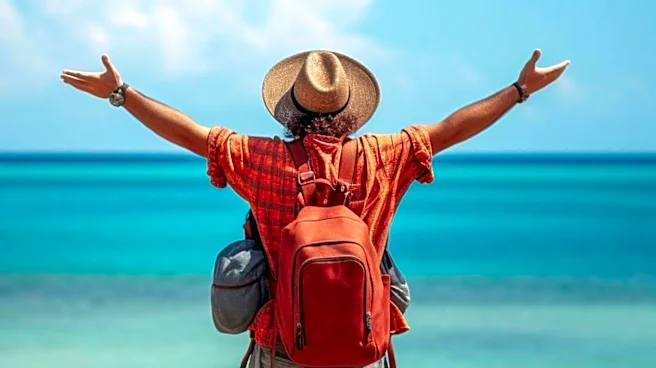
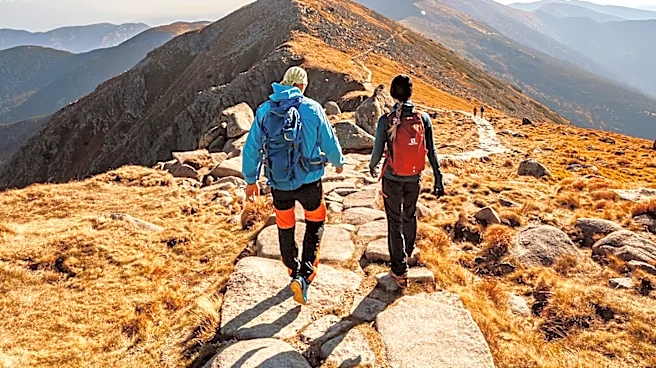
Solo travel is increasingly popular, providing individuals with the freedom to explore destinations at their own pace and engage in self-reflection. This trend allows travelers to interact with diverse individuals, fostering new friendships globally.
The experience is particularly empowering for women, promoting independence and self-sufficiency. Solo cruise travel has seen a notable surge in recent years. For those new to solo adventures, destinations such as Thailand, Uzbekistan, and Iceland are frequently recommended due to their reputation for safety and welcoming environments for individual travelers. These locations offer a balance of cultural immersion and ease of navigation, making them ideal starting points for independent exploration.
Why It's Important?
The rise of solo travel signifies a shift in consumer preferences within the tourism industry, impacting how travel agencies and hospitality providers cater to individual travelers. This trend encourages the development of more flexible and personalized travel packages, moving away from traditional group-centric offerings. For the U.S. travel market, this could mean an increased demand for solo-friendly accommodations, tours, and activities, potentially boosting niche segments of the industry. Economically, destinations that actively promote themselves as safe and welcoming for solo travelers stand to gain a competitive advantage, attracting a growing demographic of independent explorers. Socially, the empowerment associated with solo travel, especially for women, contributes to broader discussions about personal autonomy and confidence, influencing lifestyle choices and travel motivations across various demographics.
What's Next?
As solo travel continues to grow, the travel industry is likely to further adapt by offering more tailored experiences. This could include an expansion of solo-specific tours, cruises with reduced or eliminated single supplements, and accommodations designed with individual travelers in mind. We may see more destinations actively marketing their safety and accessibility for solo adventurers. Technology will also play a crucial role, with apps and platforms emerging to connect solo travelers, provide safety features, and offer personalized itinerary planning. The focus will increasingly be on creating supportive environments that allow individuals to enjoy the benefits of independent exploration while mitigating potential challenges, such as loneliness or safety concerns. This evolution will likely lead to a more diverse and inclusive travel landscape.
Beyond the Headlines
Beyond the immediate economic and industry impacts, the growing popularity of solo travel reflects deeper societal shifts towards individualism and self-discovery. It challenges traditional notions of travel as a communal activity, highlighting a desire for personal growth and introspection. This trend can foster greater cultural understanding as solo travelers often seek more authentic and immersive experiences, leading to deeper engagement with local communities. Ethically, the emphasis on safety for solo travelers, particularly women, underscores the ongoing need for destinations and travel providers to prioritize traveler well-being and security. The psychological benefits of solo travel, such as increased confidence and problem-solving skills, contribute to a more resilient and self-reliant populace, influencing broader societal values related to independence and personal agency.