








What's Happening?
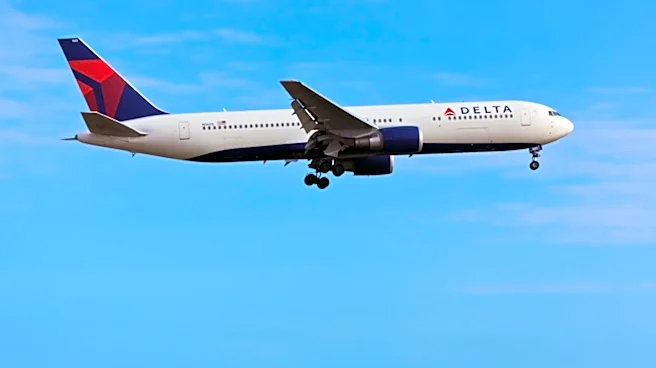
The U.S. Court of Appeals for the Eleventh Circuit has invalidated an order from the U.S. Department of Transportation (DOT) that mandated Delta Air Lines and Aeromexico to terminate their joint venture. The DOT had initially ordered the dissolution of the partnership,
effective January 1 of the current year. This decision was based on concerns that recent actions by the Mexican government, specifically banning all-cargo flight operations at Mexico City International Airport and reducing capacity, had created an uneven competitive landscape. The DOT argued these measures caused significant harm to consumers and stated it would re-evaluate the situation if conditions improved, while still permitting their codeshare agreement. Delta Air Lines expressed appreciation for the Eleventh Circuit's review, emphasizing that their joint venture with Aeromexico has provided consumers with more choices, seamless travel, and enhanced connectivity for nearly a decade, while also supporting U.S. jobs and economic growth.
Why It's Important?
This ruling is significant for the U.S. airline industry and international air travel, particularly between the U.S. and Mexico. The continuation of the Delta-Aeromexico joint venture means that consumers will retain the benefits of increased flight options and connectivity that the partnership has fostered. For Delta Air Lines, this decision safeguards a long-standing and economically beneficial agreement that they claim supports U.S. jobs and economic growth. Had the DOT's order stood, it could have led to reduced competition, potentially higher fares, and fewer travel choices for passengers flying between the two countries. The court's intervention underscores the complexities of international aviation agreements and the potential for governmental actions in one country to impact the operational frameworks of airlines in another. It also highlights the judicial system's role in reviewing and potentially overturning regulatory decisions that affect major industries.
What's Next?
Following the U.S. Appeals Court's decision, Delta Air Lines and Aeromexico can continue their joint venture, maintaining their current operational structure and service offerings. The U.S. Department of Transportation may need to reassess its approach to international aviation agreements, particularly concerning how it addresses foreign government policies that it perceives as creating an unequal competitive environment. While the codeshare partnership was always permitted, the full joint venture allows for deeper integration and coordination, which will now persist. Future developments could include further discussions or negotiations between the U.S. and Mexican governments regarding aviation policies, especially concerning cargo operations and airport capacity at Mexico City International Airport, which were the initial catalysts for the DOT's order. The airline industry will likely monitor how this ruling influences similar international partnerships and regulatory oversight.
Beyond the Headlines
The invalidation of the DOT's order by the U.S. Appeals Court delves into the intricate balance between national regulatory authority and the economic benefits of international business collaborations. This case highlights the potential for regulatory decisions, even those aimed at addressing perceived unfair competition, to be challenged on legal grounds, particularly when they impact established commercial agreements. The broader implication is the reaffirmation of judicial oversight in matters of economic regulation, ensuring that government orders are subject to rigorous legal scrutiny. It also underscores the importance of stable international aviation agreements for global connectivity and trade. The decision could set a precedent for how similar disputes involving foreign government actions and their impact on U.S. businesses are handled in the future, emphasizing the need for clear and justifiable regulatory actions that withstand legal challenges.