





What's Happening?
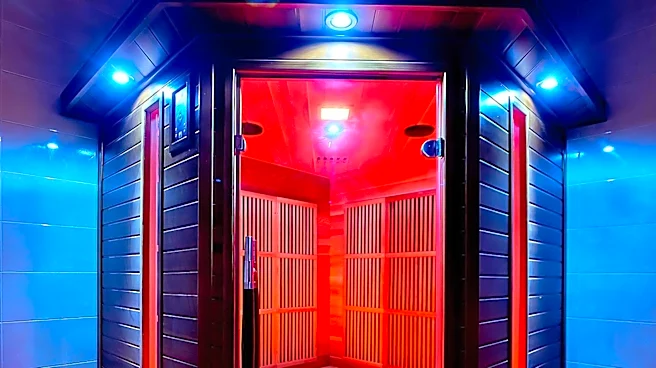
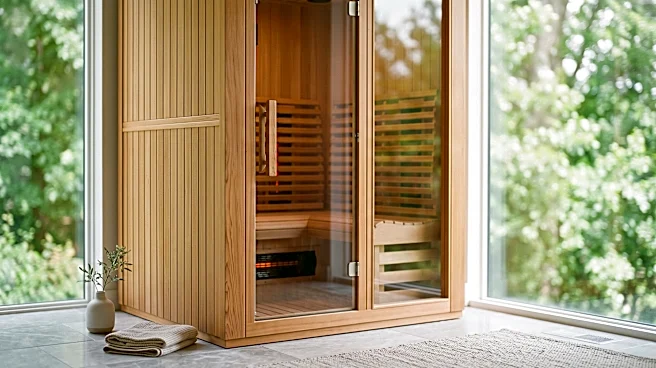
Infrared saunas are gaining traction among consumers who prioritize convenience and reduced operational expenses. These saunas are designed to provide a gentler heat experience, directly warming the body with dry radiant heat at lower ambient air temperatures
compared to traditional saunas. A key advantage is their ease of installation, as they typically require only a 120V circuit and can plug into a standard electrical outlet. This makes them a more accessible option for home use. While they lack the steam of traditional saunas, infrared models often incorporate red light therapy, which is associated with additional health benefits. The operational cost is also significantly lower, estimated at $0.12 to $0.18 per session, in contrast to the $0.90 to $1.40 per session for traditional saunas.
Why It's Important?
The growing popularity of infrared saunas reflects a shift in consumer preferences towards wellness products that offer both efficacy and practicality for home environments. Their lower running costs and simpler installation requirements make them an attractive option for a broader segment of the U.S. market, potentially increasing access to sauna therapy for individuals who might otherwise be deterred by the higher costs and complex setup of traditional saunas. This trend could impact the wellness and home improvement industries, driving innovation in sauna technology and potentially leading to more affordable and energy-efficient models. While traditional saunas have stronger evidence for cardiovascular benefits due to their higher heat, the inclusion of red light therapy in infrared saunas offers a different set of health advantages, catering to diverse consumer needs and preferences.
What's Next?
The market for infrared saunas is likely to continue expanding as manufacturers focus on enhancing convenience, energy efficiency, and integrated wellness features like red light therapy. Consumers can expect to see more models designed for easy home installation and lower energy consumption. This trend may also prompt traditional sauna manufacturers to innovate, potentially by developing hybrid models or improving the energy efficiency of their existing products to remain competitive. The ongoing research into the health benefits of both infrared heat and red light therapy will further inform product development and marketing strategies, influencing consumer choices and the overall direction of the home wellness market.
Beyond the Headlines
The rise of infrared saunas highlights a broader cultural shift towards personalized wellness solutions that can be integrated seamlessly into daily life. This trend underscores a growing consumer demand for products that offer health benefits without requiring significant lifestyle changes or substantial financial outlay. The emphasis on lower EMF (electromagnetic field) emissions in some infrared saunas also reflects increasing consumer awareness and concern about environmental factors in health. This development could lead to a greater focus on the environmental impact and energy consumption of home wellness devices, influencing regulatory standards and product design across the industry. The choice between infrared and traditional saunas ultimately reflects individual priorities regarding heat experience, health benefits, and practical considerations.