







What's Happening?
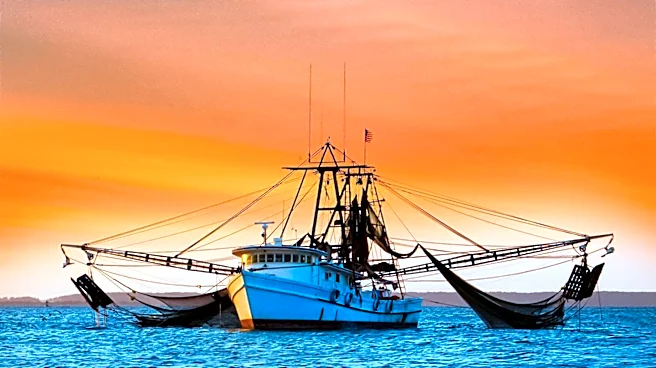
U.S. commercial shrimp fishermen, supported by the Southern Shrimp Alliance (SSA), have filed a Section 337 complaint with the U.S. International Trade Commission (ITC). The complaint, submitted on October 28, alleges that shrimp imports from India, specifically
from seafood producer Nekkanti Sea Foods, are produced using forced labor. The SSA argues that this practice constitutes an unfair trade advantage, harming the domestic shrimp industry. According to the SSA, India supplied 52% of all peeled shrimp and 40% of all frozen warmwater shrimp imported into the United States in 2025. The group highlights that the value of the U.S. domestic shrimp industry decreased by half between 2021 and 2023, and shrimping licenses reached record lows by 2024. The U.S. Department of Labor also added shrimp from India to its 2024 List of Goods Produced by Child Labor or Forced Labor.
Why It's Important?
This complaint is significant for the U.S. seafood industry, particularly for domestic shrimpers who claim to be facing severe economic pressure from lower-priced imports. The allegations of forced labor raise ethical concerns about global supply chains and their impact on fair competition. If the ITC institutes an investigation and finds evidence of forced labor, it could lead to import restrictions or tariffs on Indian shrimp, potentially reshaping the U.S. shrimp market. This action underscores the ongoing tension between domestic industries seeking protection and international trade practices. The outcome could set a precedent for how the U.S. addresses human rights issues within its trade relationships and impacts the livelihoods of American shrimpers.
What's Next?
The U.S. International Trade Commission has 30 calendar days from the filing date to decide whether to institute an investigation into the complaint. This decision is expected by November 27. If an investigation is launched, an eight-day public comment period will follow its publication in the Federal Register. The SSA hopes this action will pressure India's shrimp aquaculture industry to eliminate forced labor from its supply chains to maintain access to the large U.S. market. The resolution of this complaint could lead to significant changes in trade policies concerning seafood imports and potentially influence labor practices in international supply chains.
Beyond the Headlines
The complaint extends beyond immediate trade disputes, touching upon broader issues of corporate social responsibility and consumer ethics. The focus on forced labor highlights the increasing scrutiny on the origins of products and the conditions under which they are produced. This case could prompt U.S. consumers and businesses to demand greater transparency in seafood supply chains. Furthermore, it could encourage other domestic industries facing similar competitive pressures from imports linked to alleged labor abuses to pursue similar legal avenues, potentially leading to a re-evaluation of trade agreements and enforcement mechanisms related to human rights.