



What's Happening?
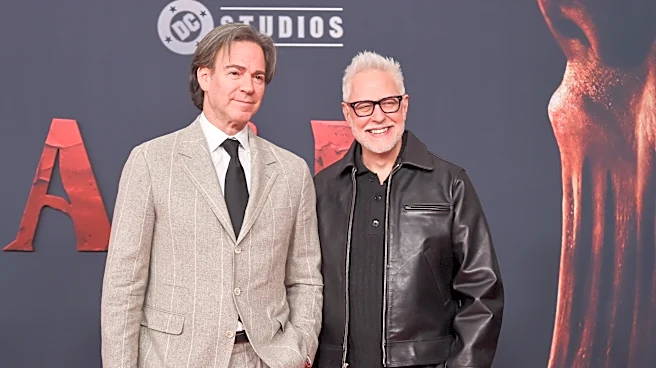
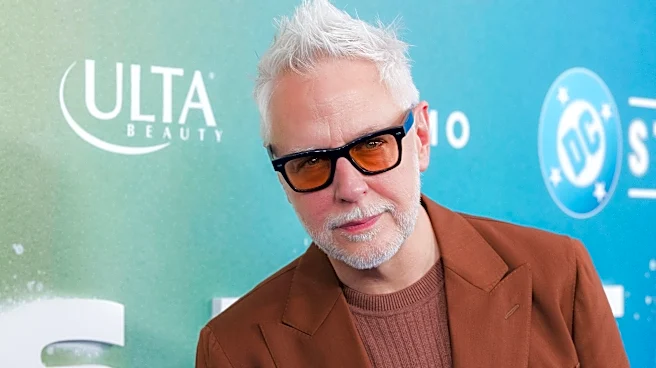
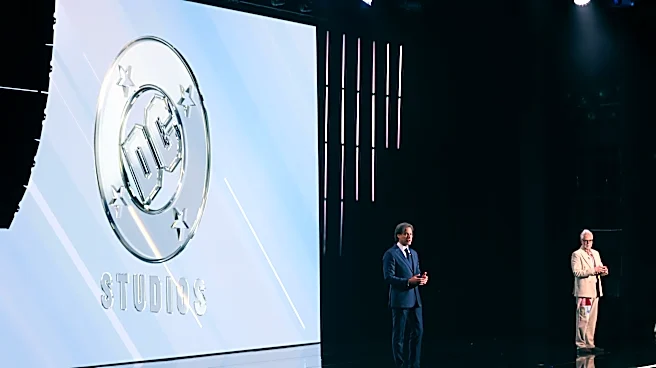
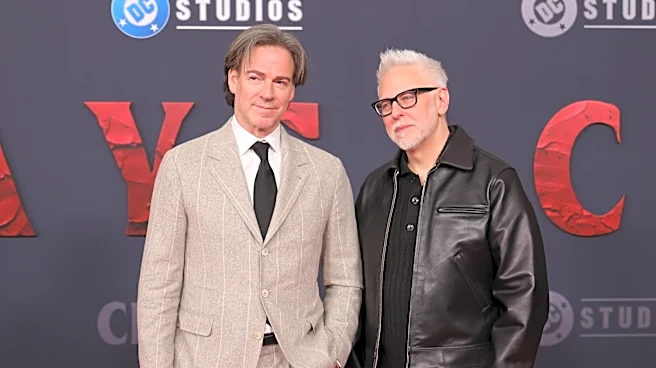
Skydance Media is reportedly preparing to dismantle much of the DC Universe plans developed by former co-heads James Gunn and Peter Safran, who were abruptly fired from DC Studios. According to reports from Puck and The Hollywood Reporter, this decision
follows executive tensions and financial disappointments regarding recent DC releases. While Gunn's 'Superman' grossed $618 million worldwide and turned a profit, Skydance was reportedly unimpressed with its performance and cultural impact, and 'Supergirl' was viewed as a financial disaster. Gunn and Safran's direct reporting structure to Warner Bros. Discovery CEO David Zaslav, which granted them significant creative freedom, reportedly clashed with Skydance executives Dana Goldberg and Josh Greenstein, who sought to consolidate film production under their authority. Jeremy Latcham, a former Marvel Studios executive, has been appointed to run DC, reporting to Goldberg and Greenstein, signaling a shift away from the previous regime's creative independence.
Why It's Important?
This development signifies a major course correction for the DC Universe, impacting the future of one of Hollywood's most recognizable superhero franchises. The reported dismantling of Gunn and Safran's plans could lead to significant changes in upcoming film and television projects, affecting actors, writers, and production crews. For U.S. audiences and the entertainment industry, this represents another period of instability for DC, which has seen multiple leadership changes and creative overhauls in recent years. The financial performance of recent DC films, coupled with internal power struggles, underscores the high stakes involved in managing major franchises. This shift could influence investor confidence in Warner Bros. Discovery's strategy for its intellectual properties and potentially alter the competitive landscape within the superhero genre, as Skydance seeks to redefine DC's creative direction and commercial viability.
What's Next?
With Jeremy Latcham now at the helm of DC, reporting to Skydance executives, a new creative direction for the DC Universe is expected. While some projects like Gunn's upcoming 'Man Of Tomorrow,' Matt Reeves' 'The Batman: Part II,' and the HBO series 'Gorilla Grodd' may be retained, much of the interconnected universe planned by Gunn and Safran is likely to be scrapped. This will lead to uncertainty for many ongoing and planned DC projects and the creatives involved. Latcham, known for his more mainstream tastes, is expected to align DC's output more closely with Skydance's sensibilities. The industry will be watching closely to see how quickly and effectively Skydance can implement its new vision and whether it can achieve the desired financial and cultural impact that eluded the previous leadership.
Beyond the Headlines
The repeated executive shake-ups and creative reboots within the DC Universe highlight a deeper industry challenge: how to consistently manage and evolve vast, interconnected cinematic universes. The tension between creative autonomy and corporate oversight, as seen in the clash between Gunn/Safran and Skydance executives, is a recurring theme in Hollywood. This situation also reflects the evolving expectations for superhero franchises, where financial success is no longer solely measured by box office numbers but also by 'cultural impact' and long-term brand value. The move to bring in a former Marvel executive like Jeremy Latcham suggests a potential shift towards a more commercially driven, perhaps less idiosyncratic, approach to DC storytelling. This could lead to a more standardized output, but it also risks alienating a segment of the audience that appreciated Gunn's unique vision and his focus on C-list characters. The ongoing struggle to define DC's identity in a crowded superhero market underscores the complexities of modern franchise management.