



What's Happening?
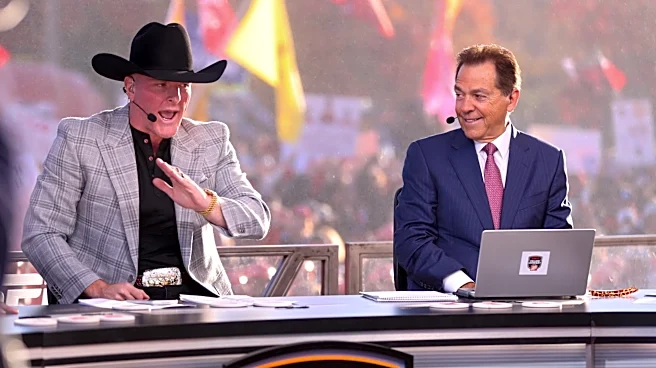
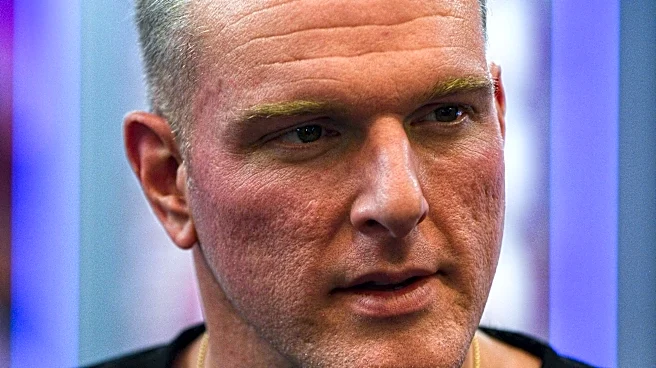
Former ESPN host Katie Nolan has publicly criticized Pat McAfee regarding his response to a controversy involving the University of Utah and his perceived lack of accountability. The dispute originated when the University of Utah's official student experience
account posted a video featuring students making light of McAfee's on-air persona, calling him 'corny' and 'creepy.' McAfee expressed significant discomfort with the video, particularly its origin from an official university account, and stated he had no interest in returning to Salt Lake City. The university subsequently deleted the video and issued an apology. McAfee later revealed he had received online threats and that his family had been targeted. Nolan, speaking on her podcast 'Casuals with Katie Nolan,' questioned McAfee's reaction to public criticism, suggesting he acts irresponsibly but expects others to manage his emotional well-being. She also referenced McAfee's past decision to discuss an unverified rumor about Ole Miss freshman Mary Kate Cornett on his show, which he later apologized for, as another instance of poor judgment.
Why It's Important?
This situation highlights the ongoing tension between public figures in sports media and the scrutiny they face, particularly in the digital age. Katie Nolan's critique of Pat McAfee underscores a broader discussion about accountability, emotional resilience, and the responsibilities that come with a prominent media platform. For ESPN, a major sports network, the controversy involving one of its key personalities can impact its public image and relationships with collegiate institutions. The incident also brings to light the challenges of managing online interactions and the potential for social media content, even if intended as lighthearted, to escalate into serious concerns about personal safety and cyberbullying. The differing perspectives on how public figures should handle criticism and threats contribute to a complex media landscape where the line between entertainment and personal responsibility is constantly debated.
What's Next?
The ongoing public discourse surrounding Pat McAfee's conduct and reactions to criticism is likely to continue shaping perceptions of his role within ESPN and the broader sports media. While the University of Utah issued an apology and McAfee appeared to soften his stance by naming the Utah Utes as a College Football Playoff sleeper team, the underlying issues of media personality accountability and the handling of online interactions remain. Future incidents or statements from McAfee or other media personalities could reignite these discussions. ESPN will likely continue to navigate the balance between supporting its talent and addressing public concerns about content and conduct. The incident may also prompt other universities and media organizations to re-evaluate their social media strategies and engagement with public figures to prevent similar controversies.
Beyond the Headlines
The controversy surrounding Pat McAfee and Katie Nolan's comments delves into deeper implications regarding the nature of celebrity in the digital age and the evolving standards of journalistic responsibility in sports media. It raises questions about the ethical boundaries of on-air commentary, particularly when it involves unverified rumors or personal attacks. The discussion also touches upon the double standards often applied to male and female personalities in media, as Nolan compared McAfee's reaction to criticism with her own experiences, suggesting she would have faced harsher judgment. This event reflects a broader cultural shift where public figures are expected to be both entertaining and resilient to criticism, while also being held accountable for their influence. The perceived 'victimhood' narrative, as described by Nolan, challenges the traditional image of a robust media personality and prompts a re-evaluation of how authenticity and vulnerability are perceived in the public eye.