



What's Happening?
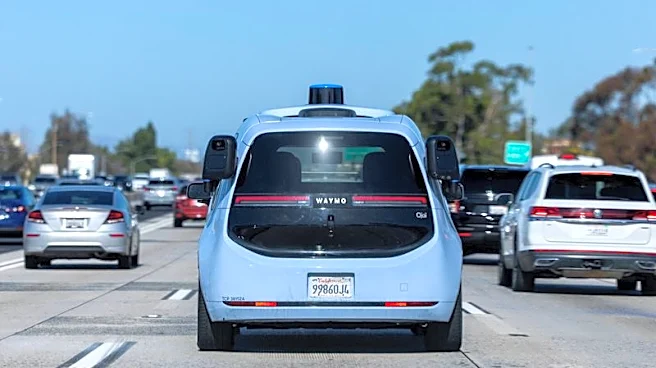
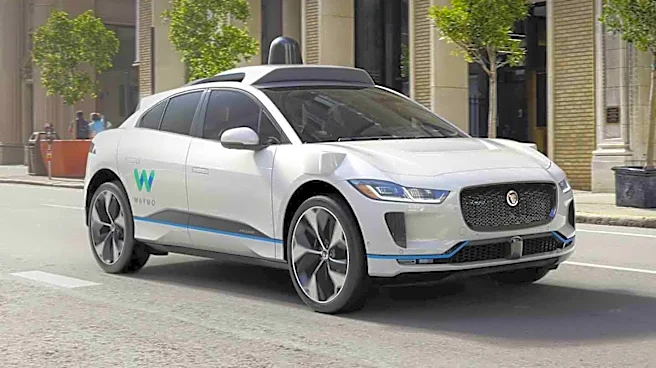
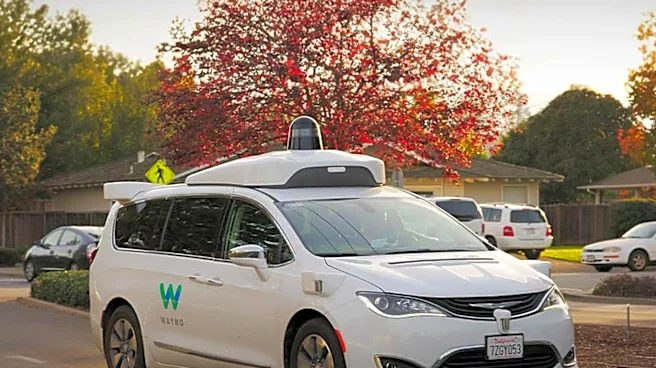
Waymo has expanded its driverless car service to include more destinations in the South Bay, such as the Berryessa Transit Center in East San Jose, the Great Mall, San Jose Fairgrounds, and additional neighborhoods in Los Gatos and Monte Sereno. This
expansion, which took effect on November 3, increases Waymo's Bay Area service area to 350 square miles. The company aims to provide commuters with another option for accessing public transportation, with Waymo spokesperson Mark Lewis stating that the company wants to be a good partner and help public transit thrive. Waymo is also encouraging public transit use through a rewards program that offers credits to riders who combine Waymo trips with public transportation within two hours. However, this expansion comes amidst ongoing safety concerns, with federal regulators investigating Waymo vehicles.
Why It's Important?
The expansion of Waymo's driverless car service is important for several reasons. On one hand, it offers increased transportation options for South Bay residents, potentially bridging the 'last mile' gap for commuters using public transit. This could enhance accessibility and convenience, aligning with the goals of transit agencies like VTA, which welcomes additional transportation options. On the other hand, the expansion is met with skepticism from some residents and federal regulators due to safety concerns. The National Highway Traffic Safety Administration (NHTSA) has opened a recall query covering 2,895 Waymo vehicles to address reports of them passing stopped school buses with flashing red lights. Additionally, the National Transportation Safety Board (NTSB) is investigating a January incident where a Waymo vehicle struck a 9-year-old student. These concerns highlight the ongoing challenges and public trust issues surrounding autonomous vehicle technology, impacting its broader acceptance and integration into urban environments.
What's Next?
Waymo plans to continue expanding its service across the South Bay and broader Bay Area, though specific next locations have not yet been identified. The company will likely need to address the ongoing safety investigations by federal regulators to build public confidence. The NHTSA's recall query and the NTSB's investigation will determine if further actions, such as additional software updates or operational changes, are required. Public perception and adoption will heavily depend on how effectively Waymo can demonstrate the safety and reliability of its driverless technology. Commuters' skepticism regarding safety, affordability, and the impact on human jobs will also need to be addressed through transparent communication and proven performance. The interaction between Waymo's services and public transit, particularly through its rewards program, will be a key area to watch for its impact on overall urban mobility.
Beyond the Headlines
The expansion of Waymo's driverless car service in the South Bay touches upon deeper societal and ethical implications. The debate over autonomous vehicles often includes concerns about job displacement for human drivers, as highlighted by some residents who prefer human-controlled vehicles. This raises questions about the future of work in the transportation sector and the need for policies to address potential economic shifts. Furthermore, the incidents under federal investigation underscore the complex legal and ethical frameworks required for autonomous technology, particularly concerning liability and public safety. The balance between technological innovation and regulatory oversight is crucial to ensure that advancements benefit society without compromising safety or equity. The integration of driverless cars into public transportation ecosystems also represents a long-term shift in urban planning and mobility strategies, potentially reshaping how cities are designed and how people move within them.