




What's Happening?
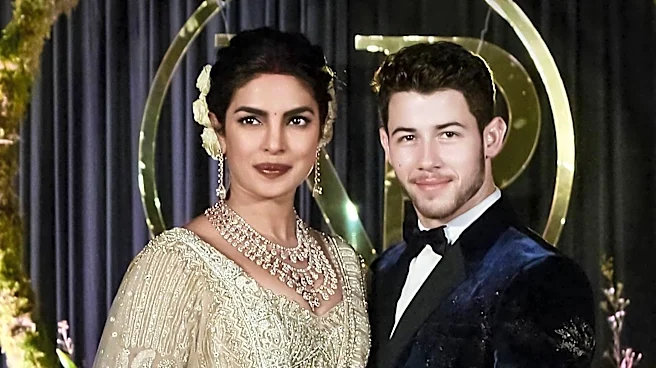
Nick Jonas and Priyanka Chopra Jonas, who married on December 1, 2018, are celebrating their fifth wedding anniversary. Their wedding, held at Umaid Bhawan Palace in Jodhpur, India, famously incorporated both Christian and Hindu traditions, reflecting
their diverse cultural backgrounds. The couple's relationship became public in 2018, leading to their engagement in the same year. Both have openly discussed the effort required to maintain their relationship while managing demanding international careers. They have continued to pursue individual professional projects while publicly supporting each other. In January 2022, they welcomed their daughter, Malti Marie Chopra Jonas, via surrogacy. The family faced a challenging start, with Malti spending over 100 days in a neonatal intensive care unit before coming home, an experience they have shared publicly. Fatherhood has significantly influenced Nick Jonas's priorities, impacting his discussions on health, work, and time away from touring.
Why It's Important?
The marriage of Nick Jonas and Priyanka Chopra Jonas holds significance as a prominent example of a high-profile, cross-cultural union in the entertainment industry. Their decision to blend Christian and Hindu wedding traditions showcased a modern approach to marriage that respects and integrates diverse backgrounds, potentially influencing public perceptions of international and interfaith relationships. Their openness about the challenges of balancing two global careers highlights the realities faced by many dual-career couples, particularly those in demanding fields. Furthermore, their public sharing of their daughter's difficult start in life, including her time in the NICU, contributes to destigmatizing such experiences and raises awareness about the emotional and practical aspects of premature births and surrogacy. This transparency from public figures can offer comfort and a sense of community to other families navigating similar circumstances, fostering empathy and understanding.
What's Next?
As Nick Jonas and Priyanka Chopra Jonas continue their careers, their public narrative will likely further explore themes of family, personal growth, and the navigation of demanding professional lives alongside parenthood. Nick Jonas's recent solo album, 'Sunday Best,' released in February 2026, already reflects themes of marriage, fatherhood, and self-reflection, indicating a continued integration of his personal life into his creative work. Their ongoing commitment to supporting each other's individual projects, while also participating in joint ventures like the Jonas Brothers' continued touring and music, suggests a sustained model of balancing personal and professional identities. Their advocacy for causes like diabetes awareness (from Nick Jonas's perspective) and their shared experiences as parents will likely remain central to their public engagement, potentially inspiring further discussions on work-life balance, cultural integration, and family resilience.
Beyond the Headlines
The union of Nick Jonas and Priyanka Chopra Jonas transcends typical celebrity news, offering a deeper look into the evolving dynamics of modern relationships and cultural identity. Their marriage, which consciously merged two distinct religious and cultural ceremonies, serves as a powerful symbol of globalization and the increasing interconnectedness of societies. This blending of traditions challenges conventional notions of marriage and identity, suggesting a future where individuals can forge new cultural expressions rather than adhering strictly to one. Ethically, their transparency regarding their surrogacy journey and their daughter's health struggles contributes to a more nuanced public discourse around reproductive technologies and parental challenges, moving beyond sensationalism to foster genuine understanding and support. Their story also subtly highlights the pressures and opportunities faced by individuals in the public eye to use their platforms for personal storytelling and broader social impact, influencing cultural norms and fostering inclusivity.