





What's Happening?
The Sugar House Hotel, a Tribute Portfolio Hotel, has opened in Winooski, Vermont, as Marriott International's first property globally designed for all-electric, net-zero energy operations and LEED Platinum certification. Developed by Nedde Real Estate
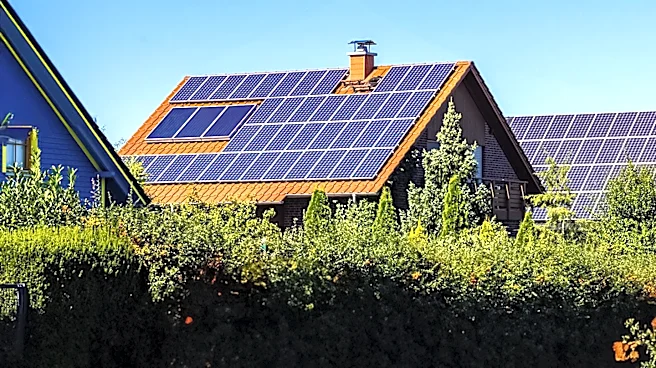
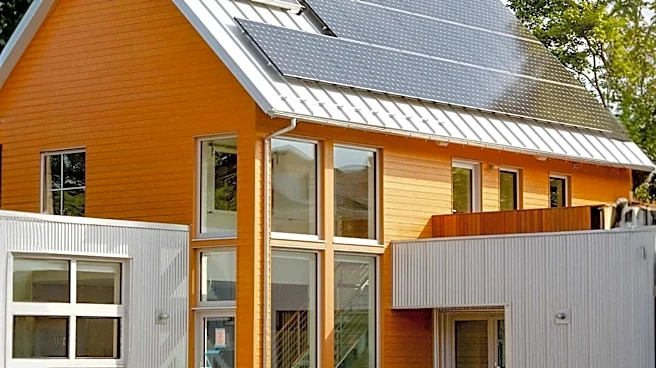
and Lodging Capital Partners and operated by Fathom Companies, the hotel integrates sustainability through geothermal and solar energy systems. It draws inspiration from Vermont's maple sugarhouse traditions and local artisanship, featuring a living roof, a central lounge with a 20,000-pound Green Mountain Schist boulder hearth, and 115 guestrooms named after Vermont sugarhouses. The hotel operates entirely on electricity, including its commercial kitchen, with rooftop solar panels generating approximately one-third of its energy needs. Water conservation is addressed through efficient plumbing fixtures, and reclaimed materials from Vermont's historic North Hero drawbridge are incorporated into the design. Additionally, the hotel provides eight electric-vehicle charging stations and an all-electric Volkswagen shuttle service to Patrick Leahy Burlington International Airport and downtown Burlington.
Why It's Important?
The opening of the Sugar House Hotel marks a significant milestone in sustainable hospitality within the U.S., particularly for Marriott International, as it represents their first global property designed for net-zero energy and LEED Platinum certification. This initiative demonstrates a growing commitment within the hotel industry to environmental responsibility and could set a new standard for future developments. The hotel's focus on local Vermont character, from its design elements to its use of local artisans and materials, supports regional economies and promotes a unique guest experience. The provision of electric vehicle charging stations and an all-electric shuttle service aligns with broader efforts to reduce carbon emissions in transportation, offering a model for eco-conscious travel. This project highlights how large-scale hospitality can integrate advanced sustainable technologies and local cultural elements, potentially influencing consumer expectations and industry practices towards more environmentally friendly operations.
What's Next?
The Sugar House Hotel's performance in achieving and maintaining its net-zero energy and LEED Platinum certifications will be closely watched as a case study for sustainable hotel development. Its success could encourage other major hotel chains and independent properties to adopt similar environmental standards and practices. The hotel's integration into the local Winooski community, including its connection to a nature preserve and local trails, suggests a potential for increased eco-tourism in the region. Future developments may include expanded guest programming focused on wellness and local artisan workshops, further embedding the hotel within Vermont's cultural and natural landscape. The project's impact on local employment and its contribution to the regional economy through its emphasis on local sourcing and services will also be a key area of observation.
Beyond the Headlines
The Sugar House Hotel's commitment to sustainability extends beyond energy efficiency, encompassing water conservation and the use of reclaimed materials, which reflects a holistic approach to environmental stewardship. This model could inspire a broader shift in the construction and hospitality sectors towards circular economy principles, where waste is minimized, and resources are reused. The hotel's design, which pays homage to Vermont's maple sugarhouse traditions, also underscores the importance of cultural preservation and local identity in modern development. By demonstrating that luxury and sustainability can coexist, the Sugar House Hotel challenges conventional notions of hospitality and offers a vision for a more responsible and integrated approach to tourism. This could lead to increased demand for properties that offer both comfort and a minimal environmental footprint, influencing consumer choices and investment in green building practices.