





What's Happening?
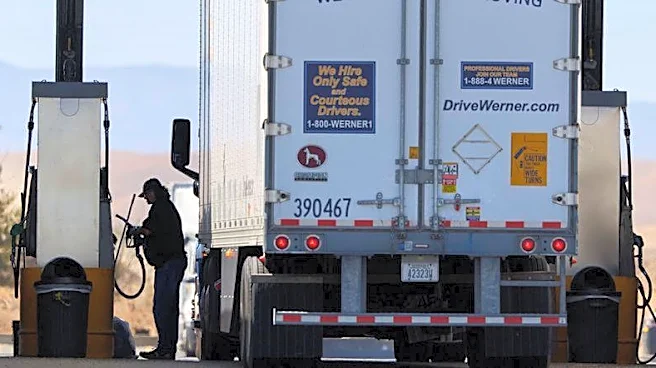
Oracle, the primary company behind Project Jupiter, is exploring the option of delivering natural gas by truck to its controversial data center in Santa Teresa, New Mexico. This consideration arises due to ongoing delays with a pipeline intended to supply
natural gas to the facility, which is now projected to be operational next year instead of the original summer timeline. The pipeline has faced two rejections from State Land Commissioner Stephanie Garcia Richard, prompting Energy Transfer LP to reroute it. Oracle has previously utilized truck deliveries for over a year to fuel a data center in Salt Lake City. The Santa Teresa data center is designed to be powered by fuel cells from Bloom Energy Corp., which currently lack a consistent natural gas supply. Following a Bloomberg report on this development, Bloom Energy’s shares experienced a 7.5% drop.
Why It's Important?
This development carries significant implications for both the energy sector and local communities in New Mexico. The potential reliance on trucked natural gas raises environmental concerns, particularly regarding increased truck traffic and emissions in areas like Sunland Park and Santa Teresa, as highlighted by Mariel Nanasi, executive director of Santa Fe-based New Energy Economy. Such a method could also increase operational costs for Project Jupiter and potentially impact the long-term viability and sustainability of the data center. For Bloom Energy, the continued uncertainty surrounding natural gas supply could affect investor confidence and its market performance. The situation also underscores the challenges of infrastructure development and regulatory hurdles in supplying large-scale industrial projects, especially those with significant energy demands and environmental footprints.
Beyond the Headlines
The consideration of trucking natural gas to Project Jupiter highlights broader issues concerning energy infrastructure, environmental justice, and corporate responsibility. The repeated rejections of the pipeline by State Land Commissioner Stephanie Garcia Richard indicate a strong regulatory stance on land use and environmental impact, reflecting growing public and governmental scrutiny of large industrial projects. The community's concerns about increased emissions and truck traffic point to potential environmental justice issues, where local populations bear the brunt of industrial activities. This situation could set a precedent for how future large-scale energy-intensive projects are developed and supplied, potentially pushing companies to explore more sustainable or less impactful energy solutions. The drop in Bloom Energy's stock also illustrates how environmental and logistical challenges can directly affect financial markets and investor perceptions of a company's operational stability and future prospects.