



What's Happening?
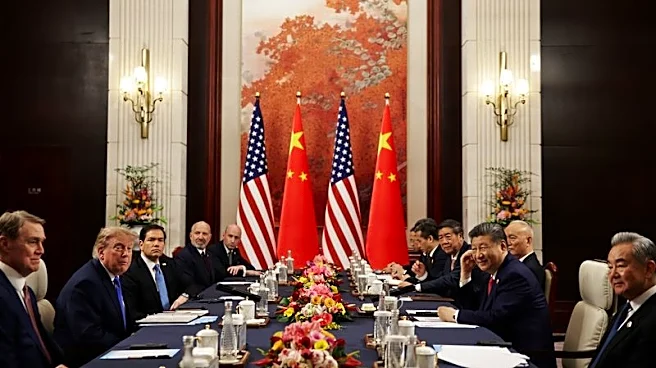
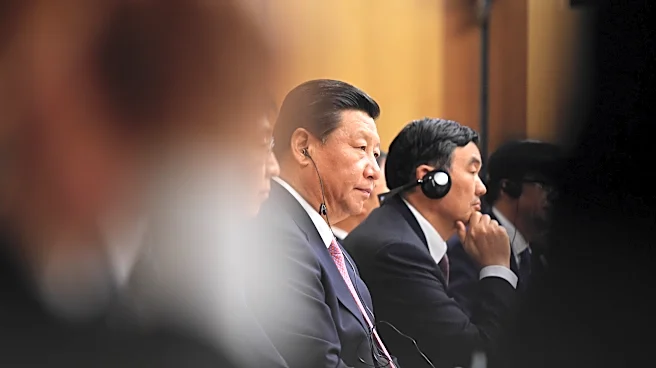
The Office of the United States Trade Representative and China’s Ministry of Commerce recently co-chaired the inaugural meeting of the Agricultural Working Group. This meeting, held in Beijing, operates under the framework of the U.S.-China Board of Trade.
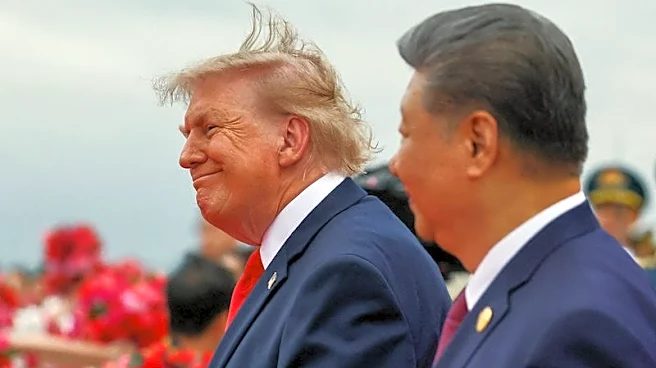
Representatives from relevant national regulatory agencies from both countries participated in discussions. The primary focus of these exchanges was on addressing non-tariff barriers impacting agricultural trade, improving market access for agricultural products, and strategies to increase trade volumes to benefit agricultural producers in both nations. The establishment and initial meeting of this working group were guided by recent engagements between the heads of state of the U.S. and China, signaling a continued effort to manage and stabilize agricultural trade relations between the two economic powers. Both sides expressed a commitment to ongoing communication and to working towards resolving mutual concerns within the agricultural sector.
Why It's Important?
This development is significant for U.S. agricultural producers and the broader U.S.-China trade relationship. The agricultural sector has historically been a key component of trade between the two countries, often subject to fluctuations and disputes. By establishing a dedicated working group, both nations are creating a structured channel for dialogue to address persistent issues such as non-tariff barriers, which can significantly impede the flow of U.S. agricultural exports to China. Improved market access and increased trade could lead to greater revenue for American farmers and ranchers, providing stability in a crucial export market. Conversely, unresolved issues or a breakdown in communication could lead to retaliatory measures or continued trade imbalances, negatively impacting U.S. agricultural profitability and potentially contributing to higher consumer prices or reduced availability of certain goods. The commitment to strengthening communication is vital for de-escalating potential trade tensions and fostering a more predictable trading environment.
What's Next?
Following this initial meeting, the Agricultural Working Group is expected to continue its efforts to strengthen communication and address specific concerns in the agricultural sector. The agreement to work towards resolving each other's concerns suggests that future meetings will likely delve into more detailed discussions on specific trade barriers and market access issues. The Trump Administration has indicated its intention to monitor compliance with past commitments and to pursue balanced trade with China, implying that the working group will be a key mechanism for achieving these goals. Stakeholders, including U.S. agricultural industry groups and policymakers, will likely be closely watching the progress of this group to ensure that it delivers tangible benefits for American farmers and ranchers. The ongoing dialogue could lead to specific policy adjustments or agreements aimed at facilitating smoother agricultural trade.
Beyond the Headlines
The formation of this Agricultural Working Group extends beyond immediate trade benefits, signaling a broader strategic effort to manage the complex U.S.-China relationship. By focusing on a sector like agriculture, which has significant economic and political weight in both countries, the two nations are attempting to build trust and find common ground in an area where cooperation is mutually beneficial. This structured dialogue could serve as a model for addressing other contentious trade issues, potentially de-risking broader economic relations. The emphasis on non-tariff barriers also highlights the evolving nature of trade disputes, moving beyond simple tariffs to more nuanced regulatory and administrative hurdles. Success in this working group could foster a more stable and predictable environment for global agricultural markets, reducing uncertainty for producers and consumers worldwide, and potentially influencing future bilateral trade negotiations across other sectors.