





What's Happening?
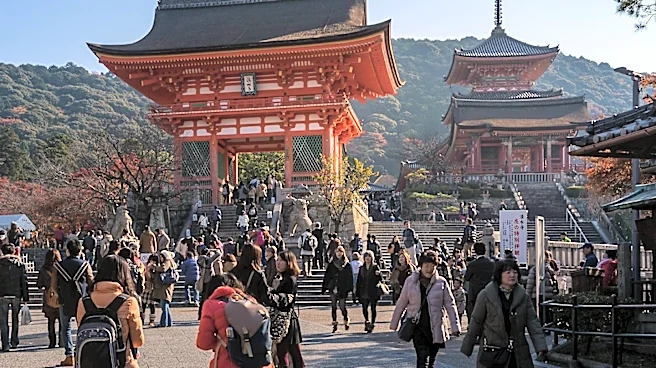
Japan is prioritizing the preservation of intangible cultural heritage for future generations by creating opportunities for individuals to engage with culture throughout their lives. This initiative moves beyond individual performances to design experiences
that connect audiences with local environments, livelihoods, beliefs, cuisine, tools, artisans, and the lives of practitioners who have shaped these traditions. The goal is to ensure that intangible cultural resources, such as traditional performing arts, are supported by a broader network including instructors, specialized costumes and props, professional communities, educational institutions, sponsors, and tourism and distribution businesses. Revenue generated from tourism and ticket sales is identified as a crucial funding source for passing this heritage on to future generations, emphasizing the need for a sustainable ecosystem that includes performers, audiences, and venues.
Why It's Important?
This approach is important because it recognizes that the true nature of intangible cultural resources lies not just in individual repertoires or skilled practitioners, but in a comprehensive ecosystem. By integrating cultural experiences with local environments and daily life, Japan aims to foster a deeper understanding and appreciation of its heritage. This strategy can provide a model for other nations seeking to preserve their own cultural traditions in a dynamic and economically viable way. The emphasis on educational opportunities from childhood to adulthood ensures that future generations are equipped to understand and perpetuate these traditions, contributing to a shared foundation for dialogue with other cultures. Furthermore, the financial sustainability provided by tourism revenue helps secure the long-term viability of these cultural practices, benefiting local communities and practitioners.
What's Next?
The ongoing implementation of these strategies will likely involve continued development of educational programs and tourism packages designed to immerse visitors in authentic cultural experiences. There will be a focus on strengthening the networks that support intangible cultural heritage, including collaborations between cultural practitioners, educational institutions, and the tourism industry. Efforts will also be directed towards promoting these unique cultural offerings to both domestic and international audiences, potentially leading to increased tourism revenue that can be reinvested into preservation efforts. The success of these initiatives will be measured by the sustained engagement of communities with their cultural heritage and the economic benefits derived from cultural tourism.
Beyond the Headlines
This initiative highlights a broader global challenge of balancing cultural preservation with modernization and economic development. By framing intangible cultural heritage as a living tradition that requires an active ecosystem, Japan is addressing the risk of cultural practices becoming static museum pieces rather than evolving, vibrant parts of society. The integration of tourism as a funding mechanism raises ethical considerations about commercialization versus authenticity, requiring careful management to ensure that cultural experiences remain respectful and enriching. This model could influence how other countries approach the safeguarding of their own unique traditions, fostering a global dialogue on sustainable cultural heritage management and the role of tourism in its perpetuation.