
What's Happening?
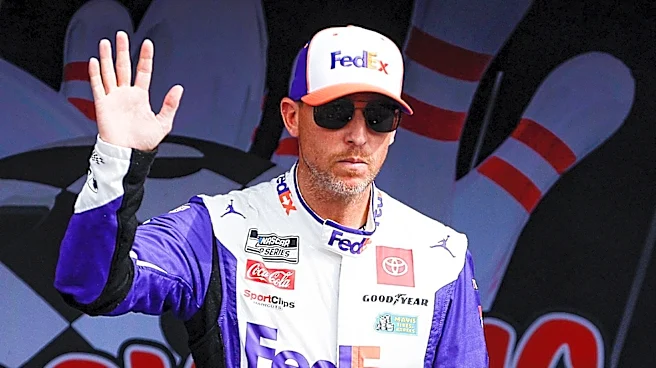
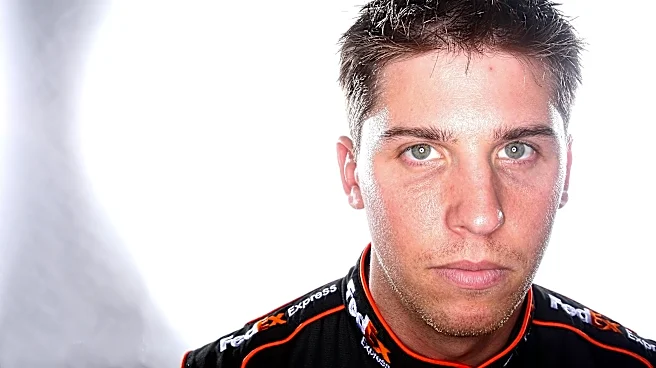
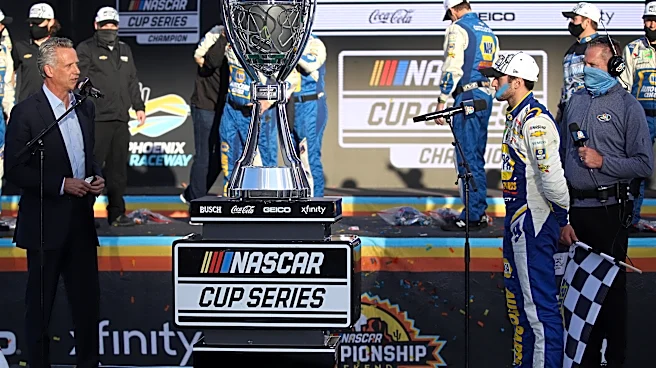
NASCAR star Denny Hamlin has issued a 'brutal reality check' regarding the sport's declining relevancy and TV viewership, particularly after the 2026 season finale at Homestead-Miami Speedway. The championship race saw an 11% drop in viewership compared
to the previous year, with the overall 2026 season experiencing a 2% decrease. Hamlin, one of NASCAR's most prominent drivers, expressed concerns on his 'Actions Detrimental' podcast, stating that the sport needs to find ways to 'grow this thing and make it more relevant in the sports landscape' as it is 'falling behind others.' He suggested that the problem is not solely with the car or the format, but rather with promotion and scheduling, advocating for NASCAR to 'own a night' during the summer when there are fewer competing sports.
Why It's Important?
Denny Hamlin's outspoken criticism is significant because it comes from a highly respected figure within NASCAR, lending credibility and urgency to the discussion about the sport's future. His comments highlight a critical juncture for NASCAR, as declining viewership and relevancy threaten its long-term sustainability and appeal. The financial implications are substantial, affecting broadcast rights, sponsorship deals, and overall revenue. If NASCAR fails to address these issues, it risks losing its status as a major American sport and alienating its fan base. Hamlin's focus on promotion and scheduling suggests that strategic changes in these areas could be vital for revitalizing interest and attracting new audiences, particularly younger demographics who are increasingly drawn to other forms of entertainment.
What's Next?
Hamlin's call to action is likely to spark internal discussions within NASCAR leadership regarding potential changes to scheduling, marketing, and promotional strategies. The sport may consider experimenting with mid-week races during the summer months, as suggested by Hamlin, to capitalize on periods with less competition from other major sports. There could also be increased investment in targeted marketing campaigns to enhance the sport's visibility and appeal. While changes to the car or format are less likely in the immediate future, the emphasis will be on improving the overall fan experience and making NASCAR more accessible and engaging. The offseason will be crucial for developing and implementing these strategies to reverse the current viewership trends.
Beyond the Headlines
Hamlin's critique extends beyond mere business metrics, touching upon the cultural identity of NASCAR. His concern about the sport 'falling behind others' speaks to a broader anxiety about maintaining cultural relevance in a rapidly evolving entertainment landscape. This situation forces NASCAR to confront its traditions and consider radical changes to adapt to modern consumption habits. The debate over the 'Next Gen' car and race formats also reflects a tension between preserving the sport's heritage and innovating for the future. Ultimately, NASCAR's ability to heed Hamlin's 'reality check' and implement effective changes will determine its trajectory as a major American sport for generations to come, influencing its cultural footprint and economic viability.