






What's Happening?
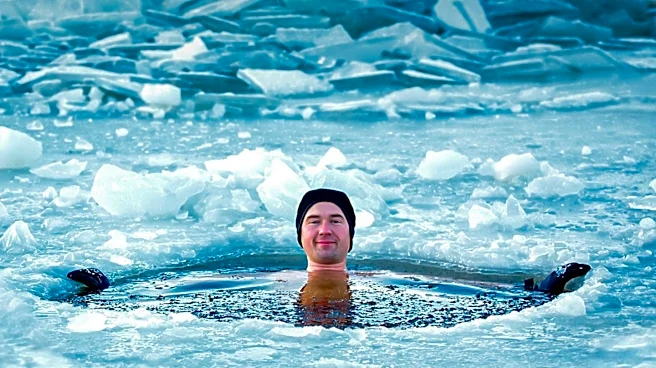
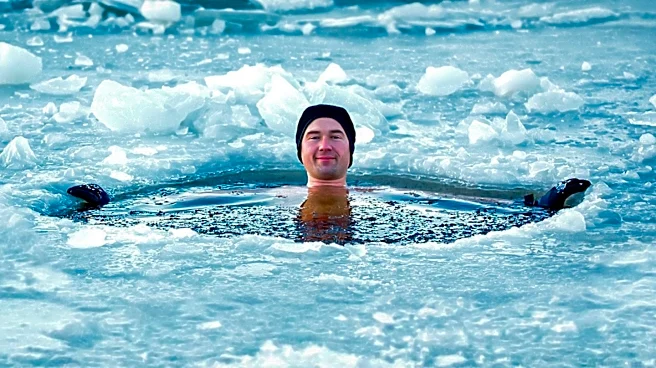
Cold plunges, involving immersion in water between 10°C and 15°C for 2 to 10 minutes, are gaining popularity for various wellness claims. While they can trigger vasoconstriction and subsequent dilation of blood vessels, potentially reducing stress and inflammation,
their efficacy as a treatment for joint pain, particularly arthritis, is not established. Commercial cold plunges offer consistent temperature control and robust filtration systems, making them a convenient option for cold-water immersion. However, neither ice baths nor chiller-equipped cold plunges have been proven treatments for arthritis or joint disease. For localized pain, a cold pack might be a simpler alternative to full-body immersion. Safety is a key consideration, and individuals with pre-existing conditions such as heart disease, uncontrolled blood pressure, Raynaud’s phenomenon, or reduced circulation should consult a healthcare professional before engaging in cold plunges. It is also advised to avoid cold plunges with open wounds or active infections and to never use them alone.
Why It's Important?
The growing interest in cold plunges highlights a broader trend in wellness and self-care, where individuals seek alternative methods for pain management and recovery. However, the lack of established scientific evidence for treating conditions like arthritis with cold plunges is crucial for public awareness. Misinformation or over-reliance on unproven therapies could lead individuals to delay or forgo effective medical treatments, potentially worsening their conditions. For the wellness industry, this distinction is vital for responsible marketing and product development. Companies offering cold plunge systems must ensure their claims are accurate and do not mislead consumers into believing these products are a cure for chronic conditions. Healthcare professionals play a critical role in guiding patients, emphasizing that while cold exposure might offer temporary comfort, it does not repair cartilage or reverse arthritis. This underscores the importance of evidence-based practices in health and wellness.
What's Next?
As the popularity of cold plunges continues, further research will be essential to definitively understand their long-term effects and specific applications. Healthcare professionals will likely continue to advise caution and recommend consultation before individuals with underlying health conditions engage in cold-water immersion. The industry may see a push for clearer labeling and disclaimers on cold plunge products, emphasizing their role in general wellness and recovery rather than as medical treatments for specific diseases. Consumers are encouraged to track their responses to cold plunges, noting any changes in pain, swelling, stiffness, and overall function, and to share this information with their healthcare providers. This personalized approach will help individuals determine if cold plunges offer any beneficial, albeit temporary, relief for their specific needs, while ensuring they do not replace conventional medical care.
Beyond the Headlines
The enthusiasm for cold plunges reflects a societal desire for quick and accessible solutions to health and wellness challenges. This trend often outpaces scientific validation, creating a landscape where anecdotal evidence and marketing claims can heavily influence consumer behavior. The ethical implications for manufacturers and wellness practitioners are significant, requiring a balance between promoting potential benefits and avoiding misleading claims. Furthermore, the individual variability in response to cold exposure highlights the complexity of human physiology and the limitations of one-size-fits-all wellness approaches. This situation also underscores the broader challenge of distinguishing between practices that offer temporary comfort or perceived benefits and those that provide genuine therapeutic outcomes, especially in the context of chronic conditions where hope for relief can be particularly strong.