







What's Happening?
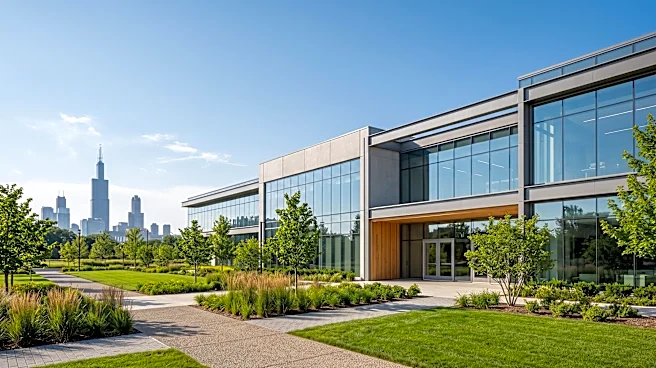
Chicago is developing the Illinois Quantum & Microelectronics Park (IQMP) on the former U.S. Steel South Works site, a project introduced as a $9 billion investment aimed at making Illinois a leader in quantum computing. Anchor tenant PsiQuantum plans
to build a million-qubit quantum computer, with IBM, DARPA, Diraq, and Quantum Machines also involved. Governor JB Pritzker and Mayor Brandon Johnson are promoting the campus as a transformative opportunity for the region. However, local residents and community groups are questioning who truly benefits from this development. The state has committed hundreds of millions of dollars, and the county is offering $175 million in property tax breaks over 30 years. While IBM has pledged 750 full-time jobs, PsiQuantum has committed to only 150, creating a significant disparity between the promised 'thousands of jobs' and concrete commitments. Community groups like Southside Together have expressed concerns about companies arriving without consulting residents, while Southeast Neighbors for Quantum believe the campus can genuinely uplift local businesses and employment.
Why It's Important?
The development of the IQMP in Chicago carries significant implications for urban planning, economic development, and social equity. The substantial public investment and tax breaks highlight a common challenge in large-scale development projects: ensuring that the benefits are equitably distributed among all stakeholders, especially local communities. The discrepancy between the projected job numbers and the actual commitments raises concerns about potential 'trickle-down' economic theories versus direct, guaranteed benefits for residents. This situation is particularly critical given Chicago's past experience with large corporate incentives, such as the deal with Sears, which ultimately failed to deliver long-term economic benefits to the local area. Without a legally binding community benefits agreement (CBA), there's a risk that the project could lead to displacement due to rising housing costs, limited local hiring, and environmental concerns, rather than fostering inclusive growth and opportunity for South Chicago residents.
What's Next?
The central issue moving forward for the IQMP project is the negotiation and signing of a legally binding community benefits agreement (CBA). Community groups are advocating for specific provisions, including protection against displacement from rising housing costs, guaranteed local hiring, preservation of parks and natural habitats, limits on pollution, tax breaks for residents mirroring those given to developers, and a community credit union. Neither city officials nor developer Related Midwest have committed to signing such an agreement. Critics suggest that without a written, enforceable commitment, the project risks repeating past failures where large investments did not translate into tangible benefits for local communities. Proposed solutions include creating a public dashboard to track job commitments against subsidies, tying continued tax breaks directly to local hiring rates, and offering real protection against rent increases in the surrounding area. The outcome of these negotiations will determine whether the IQMP genuinely serves as a catalyst for equitable transformation in South Chicago.
Beyond the Headlines
The debate surrounding Chicago's quantum park delves into deeper questions about the ethics of urban development and the balance between technological advancement and community well-being. The presence of DARPA on campus, for instance, raises ethical concerns among some activists regarding the potential for quantum technology to enhance global surveillance, highlighting the societal implications of advanced research. This project also underscores the tension between a city's ambition to become a global leader in emerging technologies and its responsibility to address the immediate needs and concerns of its residents. The call for a CBA reflects a growing demand for accountability and transparency in public-private partnerships, challenging the traditional model where large investments are assumed to automatically benefit all. The long-term success of the IQMP will not only be measured by its technological achievements but also by its ability to foster inclusive economic growth and improve the quality of life for the communities it impacts.