




What's Happening?
Penske Logistics is actively recruiting CDL Class A Truck Drivers for over-the-road (OTR) positions based out of Dalton, Ohio. The company is offering a $7,500 sign-on bonus and potential annual earnings of up to $115,000, with an average of over $90,000
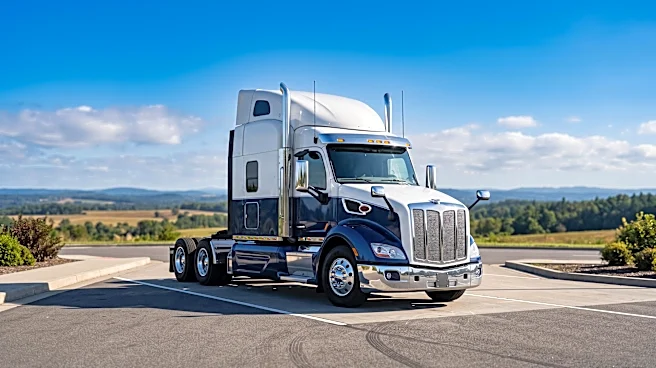
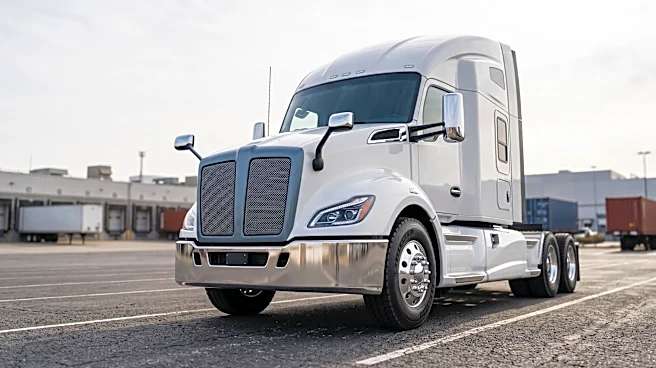
annually. These full-time roles involve delivering garage doors and components to customers, primarily dock-to-dock deliveries using hand carts. Drivers will operate late-model Penske Truck Leasing trucks equipped with in-cab cameras for safety. The schedule is Monday through Saturday, averaging 2,500 miles and 25 stops per week, with four scheduled layovers. Penske Logistics emphasizes a dedicated account with consistent freight and offers a comprehensive benefits package including paid vacation, holidays, retirement benefits, and health care coverage. Applicants must have a valid Class A CDL, be domiciled in the U.S., and possess at least one year of documented tractor-trailer experience in the last three years, or two years in the last five years. A clean DMV/MVR record with two or fewer moving violations or accidents in three years is also required.
Why It's Important?
This recruitment drive by Penske Logistics is significant for the U.S. transportation and logistics sector, highlighting the ongoing demand for skilled truck drivers. The attractive compensation package, including a substantial sign-on bonus and high earning potential, reflects the competitive landscape for retaining and attracting talent in the trucking industry. The emphasis on consistent freight and dedicated accounts offers stability for drivers, which can be a key factor in job satisfaction and retention within a sector known for high turnover. For businesses relying on efficient supply chains, a well-staffed and stable logistics workforce like Penske's is crucial for timely deliveries and operational continuity. The use of modern, safety-equipped trucks also underscores a commitment to driver welfare and road safety, which can enhance the industry's overall image and reduce accident rates. The benefits package further indicates an effort to provide long-term security for employees, addressing broader concerns about worker benefits in the transportation sector.
What's Next?
Penske Logistics will continue to process applications for these OTR truck driver positions, with qualified candidates undergoing background investigations and drug screenings. Successful applicants will be integrated into Penske's operations, contributing to the delivery of goods for market-leading companies. The company's focus on consistent routes and dedicated accounts suggests a stable work environment for new hires. The ongoing recruitment efforts are likely to help Penske Logistics maintain its service levels and potentially expand its operational capacity. The competitive compensation and benefits offered may also influence other logistics providers to review their own recruitment strategies to attract and retain drivers, potentially leading to an industry-wide uplift in driver incentives. The continued demand for drivers indicates that the U.S. supply chain will remain reliant on a robust trucking workforce in the foreseeable future.
Beyond the Headlines
The persistent need for CDL Class A truck drivers, as evidenced by Penske Logistics' recruitment efforts, points to deeper structural issues within the U.S. supply chain and labor market. The aging demographic of truck drivers, coupled with challenges in attracting younger generations to the profession, contributes to a chronic shortage. The long hours, time away from home, and demanding nature of the job often deter potential candidates, despite competitive pay. Companies like Penske Logistics are attempting to mitigate these challenges through improved equipment, better benefits, and more predictable schedules, but the industry still faces a perception problem. Addressing this shortage requires not only attractive compensation but also broader societal recognition of the critical role truck drivers play in the economy, alongside investments in training programs and infrastructure that support driver well-being. The integration of technology, such as in-cab cameras, also raises questions about privacy versus safety, a growing ethical consideration in modern logistics.