




What's Happening?
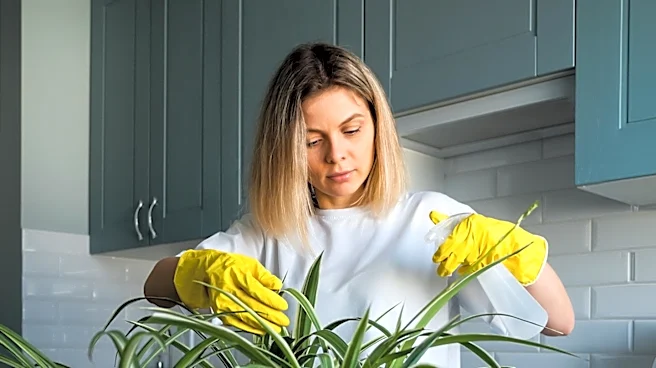
A comprehensive guide on spider plant care highlights key factors for maintaining healthy plants and encouraging 'babies' (plantlets). The guide, drawing on advice from various university extensions, stresses the importance of bright, indirect light,
avoiding strong midday sun which can scorch leaves. It also advises using a snug pot with well-draining soil, noting that spider plants produce more plantlets when slightly pot-bound. However, it cautions against extreme crowding, as thick roots can crack pots, recommending repotting young plants annually and mature plants every other year. Proper watering involves thoroughly soaking the soil and allowing the top inch to dry out before the next watering, with reduced frequency in winter. The guide also addresses common issues like brown leaf tips, attributing them to excessive salts, fluoride/chlorine in water, low humidity, or dry soil, and provides solutions for each.
Why It's Important?
This detailed care guide is important for U.S. houseplant enthusiasts and the broader horticulture industry. By providing clear, actionable advice, it helps consumers successfully grow spider plants, a popular and forgiving houseplant often found in homes and offices. This success can lead to increased consumer confidence in plant ownership and potentially boost sales within the houseplant market. Understanding the specific needs of spider plants, such as their preference for being slightly pot-bound to produce plantlets, can also inform nursery practices, ensuring healthier plants are sold. Furthermore, addressing common problems like brown tips helps reduce plant loss for consumers, fostering a more positive experience with indoor gardening and potentially encouraging further engagement with plant-related products and services.
What's Next?
For individuals, applying these care tips will likely result in healthier spider plants and a greater abundance of plantlets, which can be propagated to create new plants or shared. This could lead to a more vibrant indoor plant community and increased interest in plant propagation techniques. For nurseries and plant retailers, incorporating this detailed care information into their customer guidance could enhance customer satisfaction and loyalty. Educational initiatives based on these guidelines could also be developed by horticultural organizations to promote successful plant care. The continued emphasis on sustainable practices, such as reducing peat in potting mixes, as mentioned by some growers, suggests a future trend towards more environmentally conscious plant care products and methods.
Beyond the Headlines
The widespread popularity and forgiving nature of spider plants, as highlighted in the guide, underscore their role in making plant ownership accessible to a broad audience, including those new to gardening. This accessibility can have deeper implications for mental well-being, as engaging with plants has been linked to stress reduction and improved mood. The guide's mention of the plant's non-toxicity to pets also addresses a significant concern for many pet owners, making it a safe and appealing choice. While the guide debunks the myth of plants significantly cleaning indoor air, it subtly shifts the focus to the aesthetic and personal enjoyment aspects of plant ownership, emphasizing the intrinsic value of greenery in living spaces rather than purely functional benefits. This reflects a broader cultural appreciation for nature within the home environment.