









What's Happening?
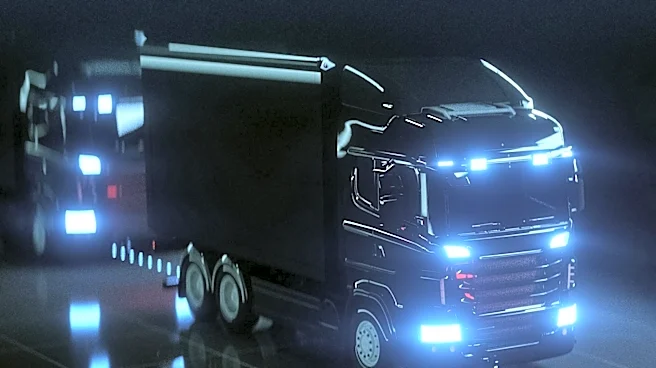
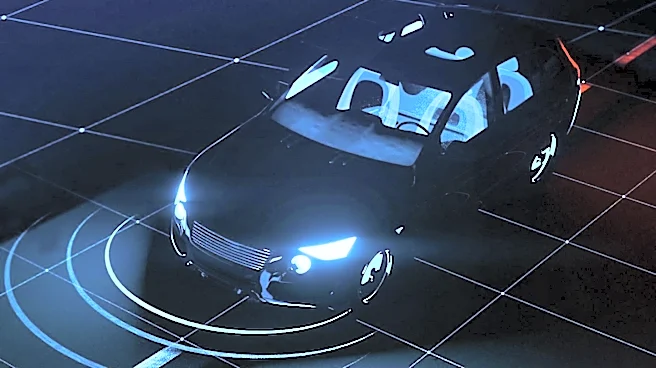
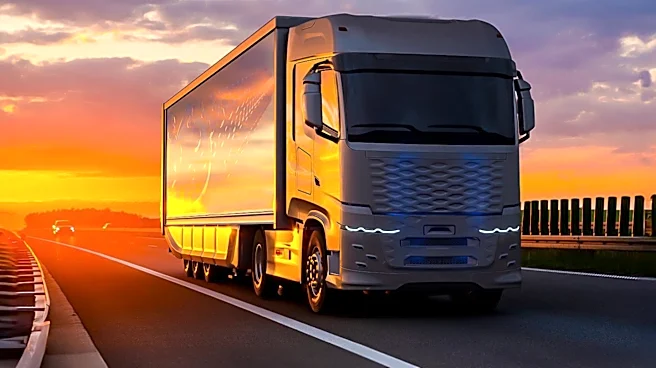
The Federal Motor Carrier Safety Administration (FMCSA) has outlined its regulatory agenda for 2026, focusing on several key areas that could significantly impact the trucking industry. Among the proposed regulations are new rules for automated driving
systems, which aim to facilitate the testing and deployment of autonomous trucks. The agenda also includes updates to Entry Level Driver Training (ELDT) standards, potential changes to electronic logging device (ELD) regulations, and modifications to hours of service (HOS) exemptions for agricultural commodities. Additionally, FMCSA plans to remove the requirement for commercial driver's license (CDL) holders to self-report violations to their home state.
Why It's Important?
The FMCSA's regulatory agenda is crucial for the trucking industry as it addresses both safety and operational efficiency. The introduction of regulations for automated driving systems could accelerate the adoption of autonomous trucks, potentially reducing labor costs and increasing efficiency. Updates to ELDT and ELD regulations aim to enhance driver training and compliance, improving safety standards across the industry. Changes to HOS exemptions and self-reporting requirements could reduce administrative burdens for drivers and carriers, allowing for more streamlined operations. These regulatory developments are likely to influence the competitive landscape of the trucking industry, affecting both large fleets and independent operators.
What's Next?
As the FMCSA moves forward with its regulatory agenda, stakeholders in the trucking industry will need to stay informed about the progress of these rulemakings. Public comments and industry feedback will play a critical role in shaping the final regulations. Trucking companies may need to adjust their operations and training programs to comply with new standards once they are implemented. Additionally, the development of autonomous driving systems will require ongoing collaboration between regulators, technology developers, and industry leaders to ensure safe and effective integration into commercial operations.