




What's Happening?
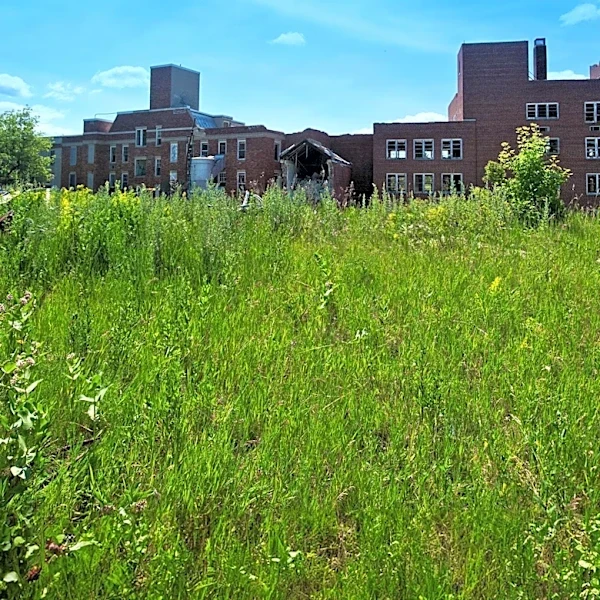
Billionaire hedge fund owner Chris Rokos has received approval to construct a 40-acre solar farm on his 4,500-acre Savernake Estate in Marlborough, Wiltshire, which includes the historic Tottenham House. This decision follows a planning dispute with local
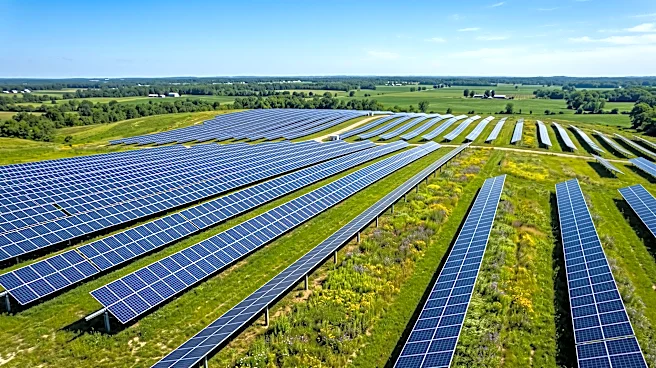
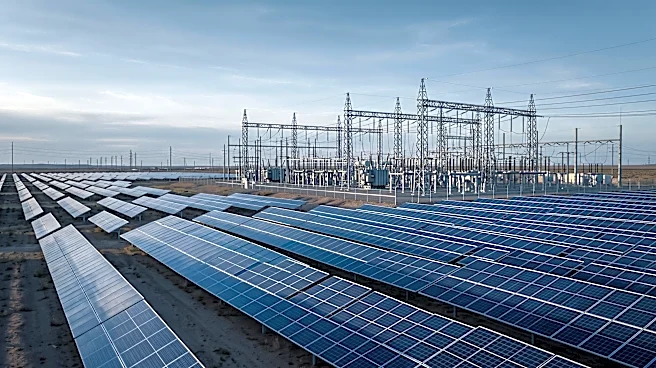
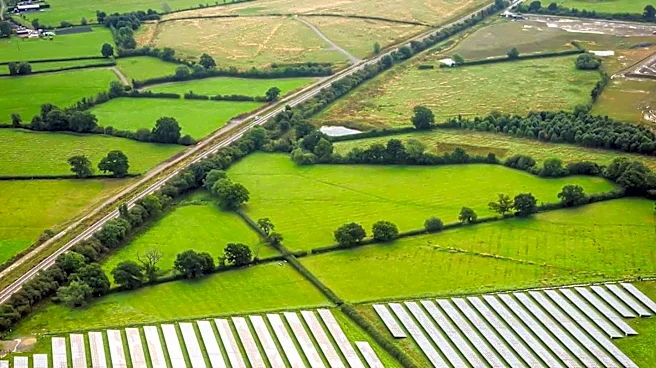
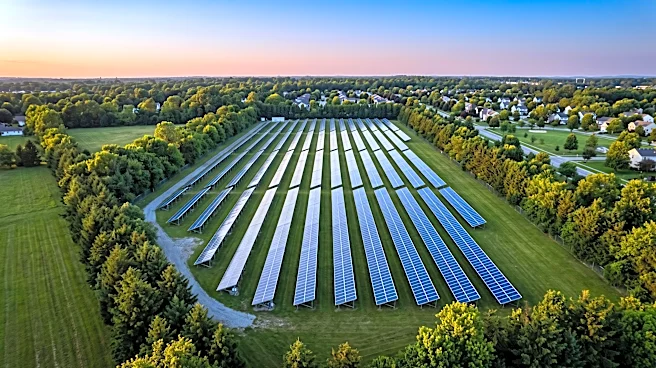
residents and the parish council. The solar farm is intended to provide a sustainable power source for the 100-bed mansion and its outbuildings, aiming to ensure the long-term viability of the estate. The project, which will generate approximately 794,600 kilowatt-hours of electricity annually, was approved despite objections citing visual and historical intrusion into an Area of Outstanding Natural Beauty and a Grade 2* Registered Park and Garden. Council planners have partially discharged a planning condition, allowing work on the solar array to commence.
Why It's Important?
This development highlights the growing trend of wealthy individuals investing in renewable energy solutions for their private estates, contributing to broader sustainability efforts. The approval of the solar farm, despite local opposition, underscores the complex balance between historical preservation, environmental concerns, and the push for green energy infrastructure. While the project aims to make a significant historic property self-sufficient in terms of energy, it also raises questions about the impact of large-scale renewable energy installations on natural landscapes and heritage sites. The decision reflects a prioritization of sustainable energy goals, even when they conflict with aesthetic and historical preservation arguments, setting a precedent for similar projects in historically sensitive areas.
What's Next?
With key construction details approved, work on the solar array itself can now begin. However, further environmental management details will need to be approved before other components of the wider development, such as a large water storage lagoon and associated infrastructure, can proceed. The project will be closely monitored for its impact on the surrounding environment and historical context. The land will remain in agricultural use, with grazing continuing around the panels, and new planting will be implemented to screen the array from view. This case may serve as a blueprint or a point of contention for future proposals involving renewable energy development on private estates, particularly those with historical significance or located in protected natural areas.
Beyond the Headlines
The approval of the solar farm on a historic estate owned by a billionaire points to a broader societal tension between modernization, sustainability, and the preservation of cultural heritage. It illustrates how private wealth can drive significant infrastructure projects that align with environmental goals but may also face resistance from communities concerned about local impact. The debate over 'visual intrusion' versus 'sustainable future' reflects a fundamental challenge in integrating renewable energy into diverse landscapes. This situation also subtly highlights the evolving role of private landowners in contributing to national energy strategies and the potential for such projects to redefine the aesthetics and functionality of traditional estates.