






What's Happening?
VanEck, a global investment manager, provides a range of exchange-traded funds (ETFs) focused on real assets and commodities. These offerings include specialized funds designed to give investors exposure to various sectors within the natural resources
and energy markets. For instance, the VanEck Merk Gold ETF (OUNZ) allows for investment in gold with an option for physical delivery. Other funds target specific industries such as gold mining with the VanEck Gold Miners ETF (GDX) and junior gold miners with the VanEck Junior Gold Miners ETF (GDXJ). The firm also offers exposure to critical materials like copper and electrification metals through the VanEck Copper and Electrification Metals ETF (EMET), and rare earth and strategic metals via the VanEck Rare Earth and Strategic Metals ETF (REMX). Additionally, VanEck has funds for broader natural resources (HAP), agribusiness (MOO), uranium and nuclear energy (NLR), and low carbon energy (SMOG), encompassing solar, wind, hydro, electric vehicles, battery tech, hydrogen, and fuel cells. These ETFs are designed to cater to different investment strategies, from actively managed approaches to passively managed commodity index funds.
Why It's Important?
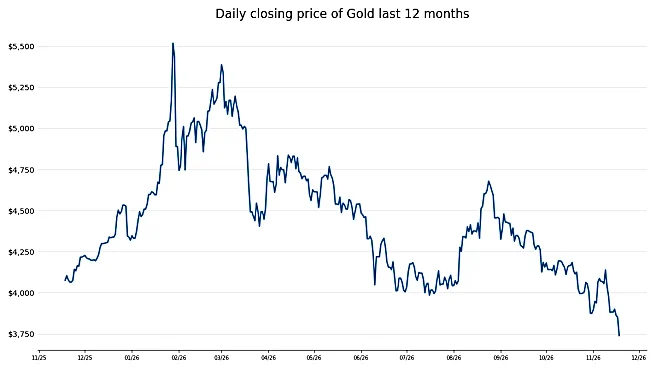
The availability of VanEck's diverse range of real asset and commodity ETFs is significant for U.S. investors seeking to diversify their portfolios and gain exposure to sectors that may behave differently from traditional equities and bonds. Real assets and commodities can act as a hedge against inflation and offer potential for capital appreciation during specific economic cycles. For example, gold miners (GDX, GDXJ) can provide leveraged exposure to gold price movements, amplifying returns when prices rise. Funds like EMET and REMX are crucial for investors looking to capitalize on the global energy transition and technological advancements, as these metals are vital inputs for clean energy and advanced technologies. The agribusiness ETF (MOO) addresses the growing demand for food driven by global population growth, while NLR and SMOG offer pathways into the evolving clean energy landscape. These specialized ETFs allow investors to target specific themes and industries, potentially enhancing portfolio resilience and growth opportunities in a dynamic market environment.
What's Next?
As global economic conditions evolve, particularly with ongoing concerns about inflation, supply chain disruptions, and the transition to cleaner energy, the demand for real asset and commodity-focused investments may continue to grow. VanEck will likely continue to monitor market trends and investor demand to potentially introduce new funds or refine existing ones to meet emerging needs. Investors may increasingly look to these types of ETFs to diversify away from traditional asset classes and seek uncorrelated returns. The performance of these funds will be closely tied to global commodity prices, geopolitical stability, and technological advancements in the respective sectors. For instance, continued growth in electric vehicle adoption will likely bolster interest in funds like EMET, while geopolitical events could influence gold prices and, consequently, gold mining ETFs. VanEck's ongoing strategy will likely involve educating investors on the benefits and risks associated with these specialized investment vehicles.
Beyond the Headlines
The proliferation of specialized ETFs like those offered by VanEck reflects a broader trend in the investment landscape towards granular exposure to specific economic themes and industries. This allows investors to construct highly customized portfolios that align with their macroeconomic outlooks or ethical investment preferences, such as supporting the transition to clean energy. However, it also introduces complexities, as investors need to conduct thorough due diligence on the specific risks associated with each sector, such as commodity price volatility, geopolitical risks affecting supply chains, and regulatory changes. The ability to take physical delivery of gold through OUNZ highlights a unique feature that appeals to investors seeking direct ownership of the precious metal, bypassing some of the counterparty risks associated with paper gold. This trend towards highly specialized and sometimes physically backed ETFs underscores a shift in investor sophistication and the increasing demand for tailored investment solutions beyond broad market indices.