




What's Happening?
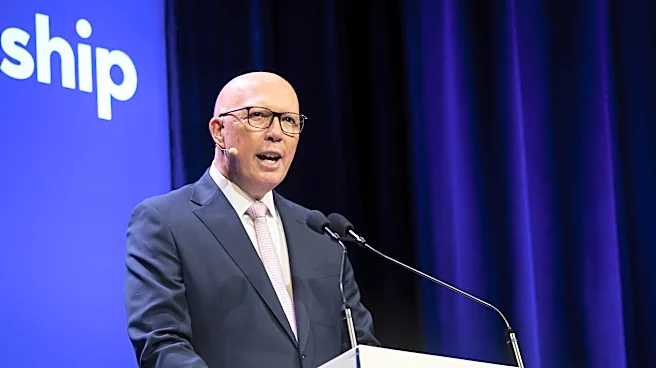
Queensland Premier David Crisafulli recently highlighted significant challenges within the state's resources sector, particularly concerning regulatory approvals and permitting processes. Speaking at the Annual Queensland Resources Council (QRC) Luncheon,
Crisafulli pointed to inefficiencies in the Federal Government’s EPBC framework and additional requirements imposed on existing mining and construction projects, even those with established operating approvals. He emphasized that these regulatory burdens hinder investment in critical minerals projects, which are crucial for Queensland's economic future. The Premier stressed the need for a streamlined approach to federal and state approval processes, improved coordination among regulators, and the facilitation of responsible expansion for current operations. The discussion underscored the importance of creating an attractive investment environment to capitalize on Queensland's rich mineral endowment, especially in the North West Minerals Province, which holds significant deposits of copper, zinc, and silver—minerals vital for the global energy transition and future technologies.
Why It's Important?
The issues raised by Premier Crisafulli are critical for Queensland's economic prosperity and its role in the global supply chain for essential minerals. Inefficient regulatory frameworks can deter investment, slow down project development, and ultimately impact job creation and regional economies. As the world transitions to cleaner energy, the demand for critical minerals like copper, zinc, and silver is escalating. Queensland possesses substantial reserves of these minerals, offering a unique opportunity to become a key supplier. However, if regulatory hurdles persist, the state risks losing out on this economic advantage to other regions with more favorable investment climates. Streamlining these processes is not just about attracting capital but also about ensuring Queensland can contribute effectively to global electrification and technological advancements, securing its long-term economic stability and diversifying its resource economy beyond traditional sectors like coal.
What's Next?
The Premier's remarks suggest a potential push for regulatory reform at both state and federal levels in Australia. Stakeholders, including the Queensland Resources Council, are likely to advocate for policy changes that simplify approval processes and enhance regulatory certainty. This could involve discussions between the Queensland government and the federal government to address the inefficiencies within the EPBC framework. The focus will be on developing a balanced approach that protects environmental standards while enabling responsible resource development. The industry will be watching for concrete actions, such as the establishment of task forces or legislative amendments, aimed at accelerating project timelines and attracting necessary investment into the critical minerals sector. The outcome of these efforts will significantly influence the pace of development in Queensland's mining industry and its contribution to the global energy transition.
Beyond the Headlines
Beyond the immediate economic implications, the debate over regulatory efficiency in Queensland's mining sector touches upon broader themes of environmental governance and sustainable development. The EPBC Act, while designed to protect Australia's environment, is often criticized for its complexity and delays. Finding a balance between environmental protection and economic development is a persistent challenge. This situation highlights the tension between conservation efforts and the urgent need for resources to fuel global technological progress and climate goals. The outcome in Queensland could set a precedent for how other resource-rich regions manage similar conflicts, potentially influencing international best practices for responsible mining and regulatory frameworks. It also underscores the strategic importance of critical minerals, not just as commodities, but as geopolitical assets in the race towards a decarbonized future.