





What's Happening?
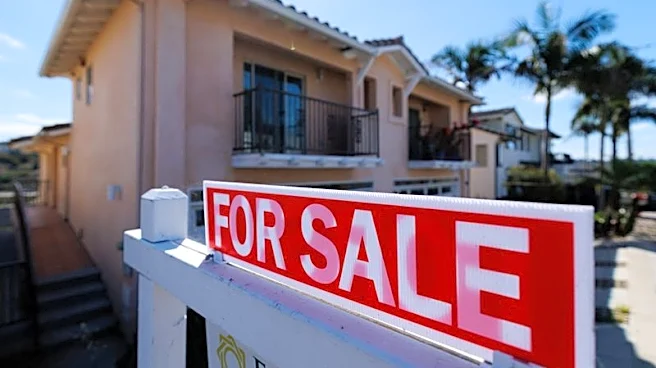
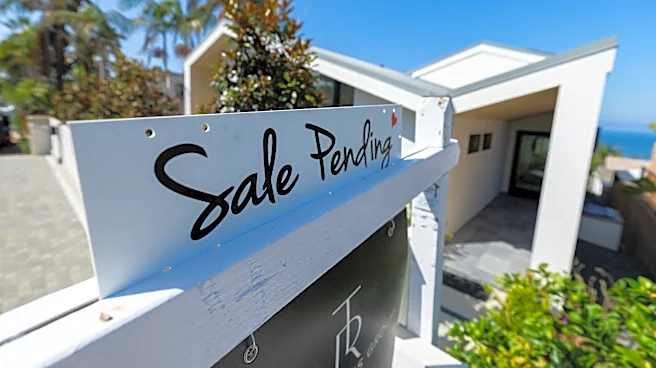
The home repair and remodel (R&R) sector, encompassing businesses like HVAC suppliers, home-improvement retailers, and paint manufacturers, has experienced a downturn due to a sluggish housing market. Housing turnover has fallen by 30% from its 2021 peak,
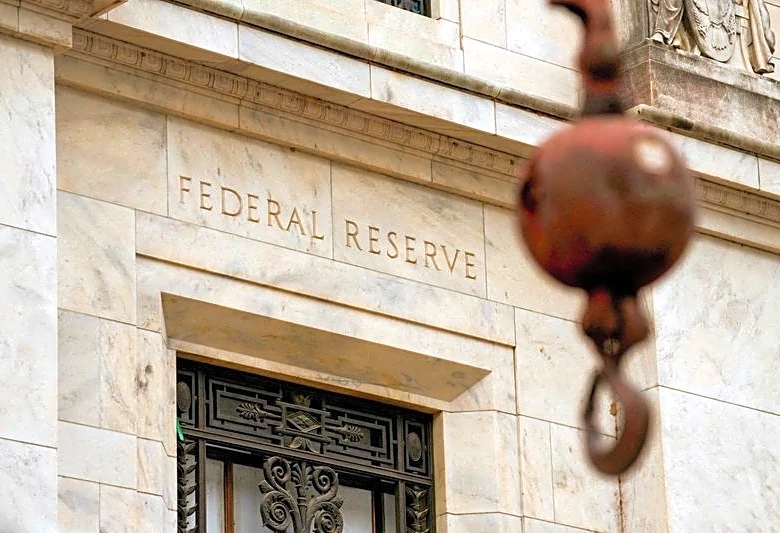
reaching levels comparable to the Great Financial Crisis. This decline is attributed to low home affordability, high mortgage rates (currently 6% to 7% for a 30-year loan), and a hawkish Federal Reserve. However, despite these challenges, the R&R sector is showing signs of resilience. Home prices have continued to climb, indicating that the sales downturn is more a result of limited inventory than a lack of demand. Many homeowners who secured low mortgage rates during the COVID-19 pandemic are choosing to stay in their current homes, leading to an increased likelihood of investing in maintenance and upgrades. While inflation has remained higher than expected due to various global factors, its pace has begun to moderate, and wages have grown, potentially freeing up disposable income for home improvements.
Why It's Important?
The performance of the R&R sector is a key indicator of consumer confidence and the broader health of the U.S. housing market. Its resilience, even amidst high interest rates and reduced housing turnover, suggests a fundamental shift in homeowner behavior. The phenomenon of homeowners staying put due to historically low mortgage rates from the pandemic era means a sustained demand for renovation and maintenance, rather than new home purchases. This trend could provide a stable revenue stream for R&R businesses, even if the broader housing market remains subdued. The moderation of inflation and continued wage growth are crucial for unlocking consumer spending on home improvements. A 'stagflation' scenario, characterized by stagnant economic growth and persistent high inflation, remains a concern, but the current outlook suggests that R&R stocks, trading at what some consider trough valuations, may offer an attractive risk-reward balance for investors anticipating a rebound in renovation volumes.
What's Next?
The R&R sector is anticipated to see a turnaround in volumes as consumer confidence potentially improves and homeowners continue to invest in their existing properties. The market will be closely watching for sustained moderation in inflation and continued wage growth, which are critical for boosting disposable income and encouraging renovation spending. While the exact timing of a full recovery is uncertain, the underlying demand for home maintenance and upgrades from homeowners with low mortgage rates is expected to provide a floor for the sector. Investors will scrutinize economic indicators for signs of a broader economic recovery and a sustained increase in consumer confidence. The potential for a 'stagflation' scenario remains a risk, but if current trends of moderating inflation and growing wages persist, the R&R sector could experience a gradual but steady recovery, moving beyond the current period of flat volume growth.
Beyond the Headlines
The resilience of the R&R sector highlights a deeper societal trend: the evolving relationship between Americans and their homes. With many homeowners locked into historically low mortgage rates, the concept of a 'starter home' is increasingly giving way to a 'forever home' mentality. This shift implies a greater long-term investment in existing properties, transforming homes into more adaptable and personalized spaces. This trend could lead to innovations in home improvement products and services, focusing on durability, energy efficiency, and multi-functional designs. Furthermore, it underscores the psychological impact of economic uncertainty, where consumers prioritize improving their current living situations over taking on new financial risks associated with moving. This could also have environmental implications, as extending the lifespan and efficiency of existing homes becomes more prevalent than new construction, contributing to sustainability efforts and reducing urban sprawl.