






What's Happening?
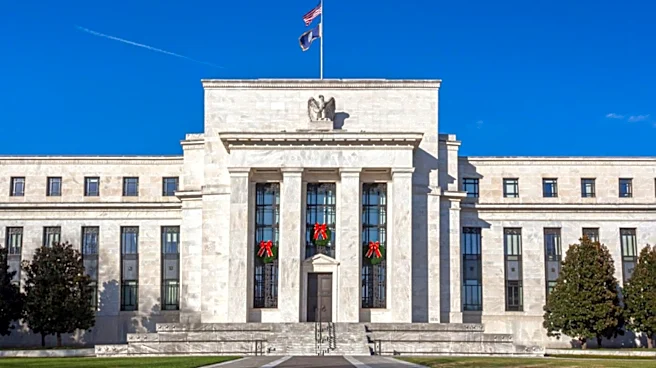
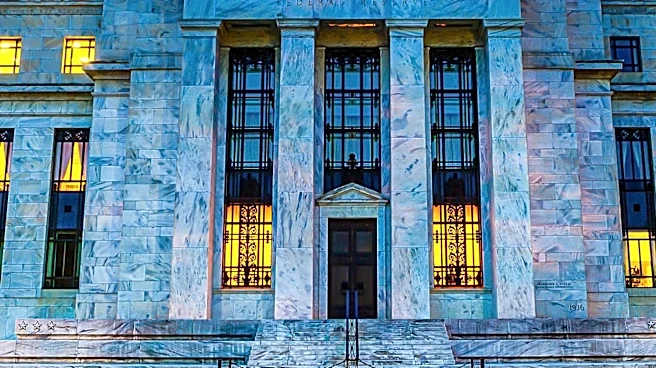
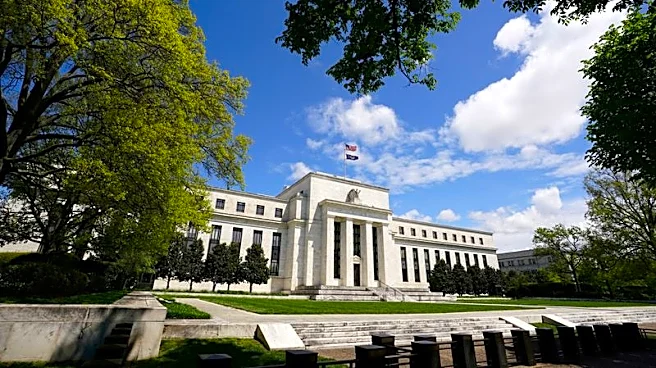
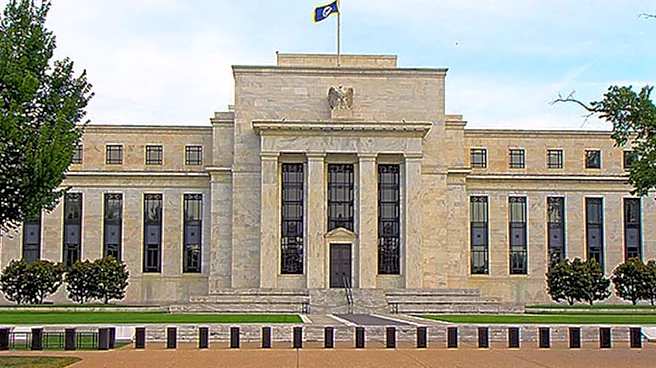
Federal Reserve Bank of New York President John Williams has addressed the potential impact of recent geopolitical tensions on energy prices and the Federal Reserve's interest rate strategy. Despite the renewal of conflict in the Middle East, Williams expressed
that he does not foresee a sustained rise in energy prices over the coming months. He noted that market expectations suggest oil prices will decrease within the next six to twelve months. This statement comes as the Federal Open Market Committee (FOMC) prepares for its upcoming meeting on July 28-29, where potential interest rate hikes will be discussed. The Fed's current interest rate target range remains steady at 3.5% to 3.75%, as decided in their mid-June meeting. Williams emphasized the importance of maintaining the safety and stability of the banking system over reducing the Fed's balance sheet, which currently stands at approximately $6.7 trillion.
Why It's Important?
The Federal Reserve's approach to interest rates and its balance sheet management is crucial for the U.S. economy, particularly in times of geopolitical instability. Williams' comments highlight the Fed's cautious stance in balancing inflation control with economic stability. The potential for increased energy prices due to Middle East tensions could lead to higher inflation, prompting the Fed to consider rate hikes. This decision impacts various economic stakeholders, including businesses, consumers, and financial institutions, as interest rates influence borrowing costs and economic growth. The Fed's strategy will be closely watched by markets and policymakers, as it could signal future economic conditions and monetary policy directions.
What's Next?
The upcoming FOMC meeting will be pivotal in determining the Fed's next steps regarding interest rates. Stakeholders will be looking for guidance from Fed Chairman Kevin Warsh, who has yet to provide a clear outlook on monetary policy. The Fed's decision will likely consider the evolving geopolitical situation and its impact on energy prices and inflation. Financial markets, businesses, and consumers will be attentive to any changes in the Fed's policy, as these could affect economic forecasts and financial planning. Additionally, discussions on the Fed's balance sheet management and its implications for financial stability will continue to be a significant focus.