



What's Happening?
Seattle Seahawks General Manager John Schneider is actively monitoring the trade market following the team's recent loss to the Chicago Bears, which highlighted several deficiencies despite a previous trade for All-Pro guard Quenton Nelson. The Seahawks,
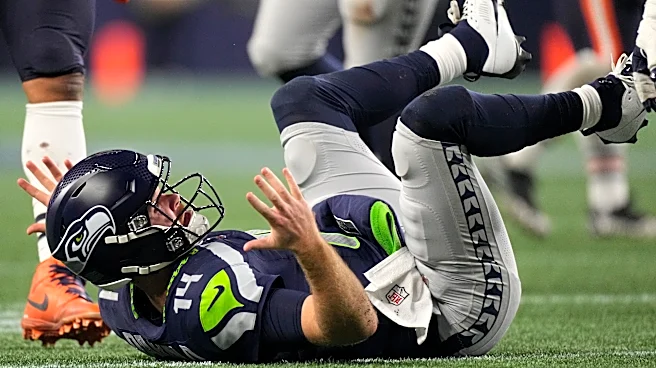
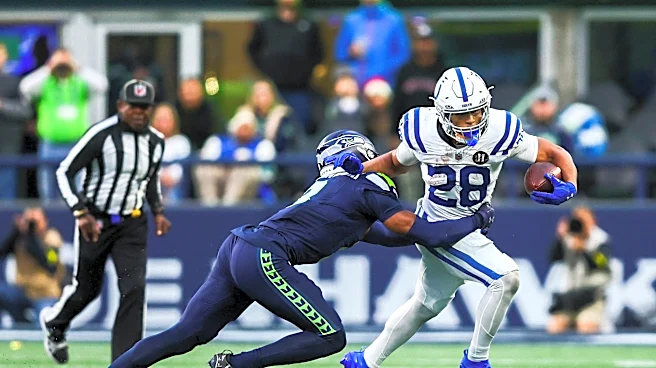
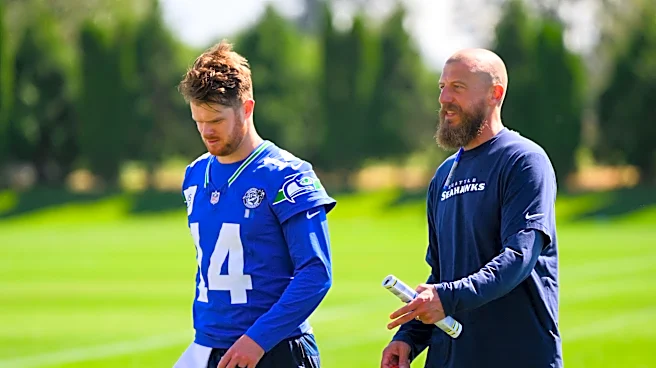
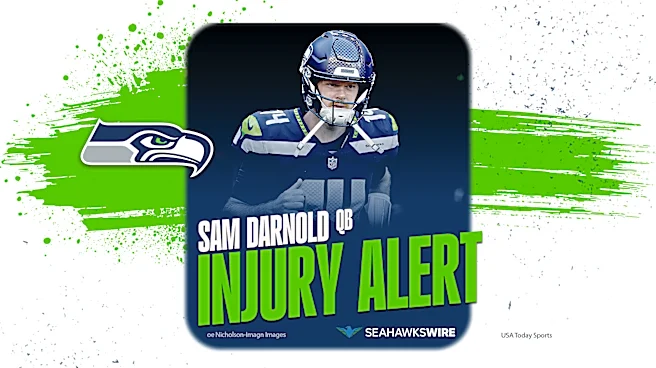
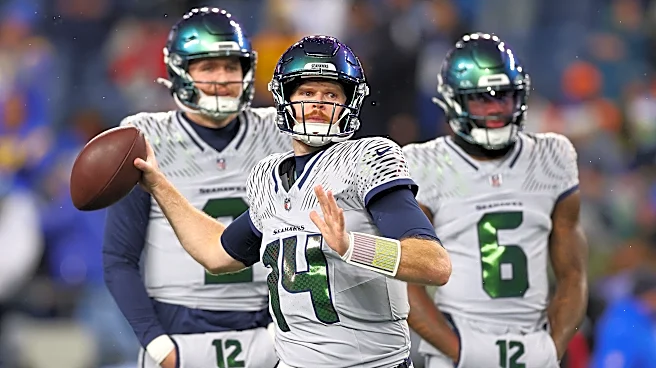
currently at a 4-4 record, are facing issues across offense, defense, and special teams. Quarterback Sam Darnold's performance is noted as a significant concern, alongside needs at wide receiver and running back. Key players like Rashid Shaheed are injured, and the team's rushing attack has been ineffective. Schneider indicated that discussions with other teams are ongoing, with many waiting until closer to the trade deadline to finalize deals. The general manager's comments suggest a willingness to improve the roster, but the extent of potential moves remains uncertain given the team's current state and future considerations under coach Mike Macdonald.
Why It's Important?
The Seahawks' proactive stance in the trade market signals a critical juncture for the franchise. Their performance indicates that the team is not just one player away from contention, even after acquiring a significant talent like Quenton Nelson. The struggles of key offensive players, particularly the quarterback, could undermine any potential roster improvements. This situation highlights the complex decision-making process for NFL general managers: balancing immediate competitive needs with long-term team building and financial implications. The outcome of Schneider's trade pursuits will directly impact the Seahawks' competitiveness for the remainder of the season and could influence their strategic direction in future offseasons. It also reflects the broader NFL trend of teams constantly evaluating and adjusting their rosters to stay competitive in a dynamic league.
What's Next?
John Schneider is expected to continue engaging with other NFL teams as the trade deadline approaches on November 10. The Seahawks' immediate focus will likely be on addressing critical needs at wide receiver and running back, although the source suggests that a quarterback trade is unlikely. Any further acquisitions will need to integrate quickly into the team to make an impact. The performance of Sam Darnold will remain a central factor, as even significant roster upgrades might not move the needle if quarterback play does not improve. Schneider's decisions before the deadline will set the tone for the team's second half of the season and could influence coaching strategies and player roles. The team will also need to assess how new players adapt and whether they can collectively overcome current performance issues.
Beyond the Headlines
The Seahawks' current predicament underscores the challenges of team building in the NFL, particularly when a team is in a transitional phase. The decision to pursue trades involves not only acquiring talent but also managing salary cap implications and future draft capital. Schneider's dilemma highlights the tension between making aggressive moves for immediate success and preserving assets for sustained competitiveness. The team's struggles also raise questions about player development and coaching effectiveness, especially concerning the quarterback position. The outcome of these trade discussions and the team's subsequent performance could influence fan perception, organizational stability, and the long-term vision for the Seahawks franchise. It also reflects the high-stakes nature of NFL management, where every decision can have significant ripple effects.