
What's Happening?
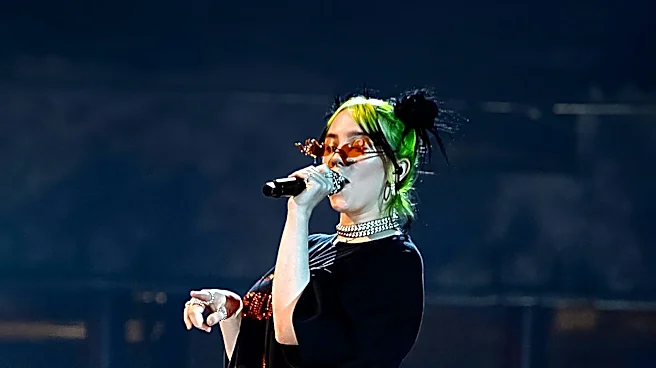
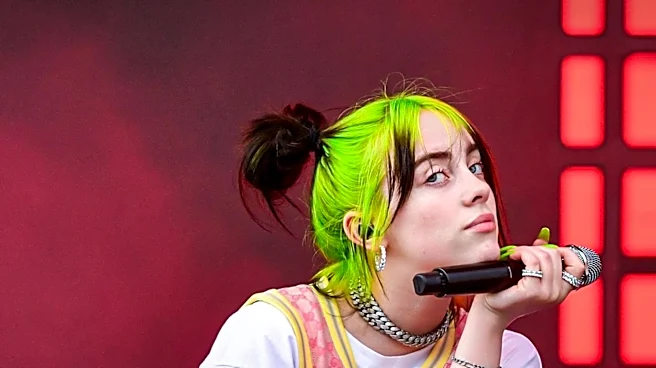
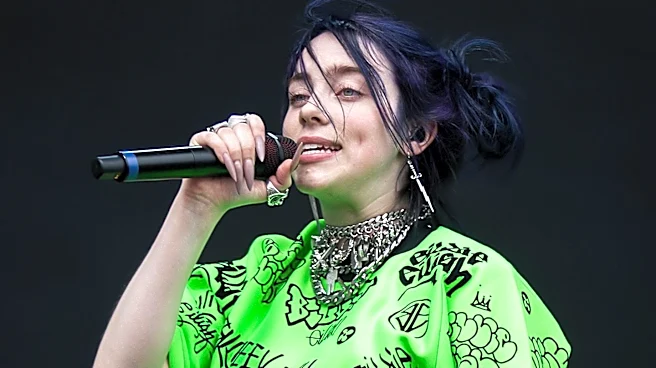
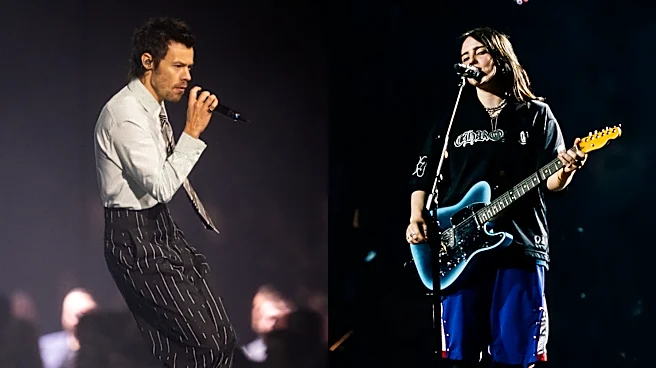
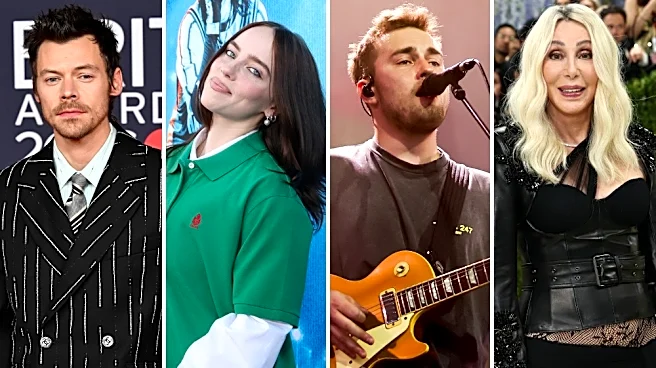
The Glastonbury Festival has announced its lineup for 2027, which has been met with significant criticism. Headliners include Sam Fender, Harry Styles, and Billie Eilish, with Cher also slated to perform
in the 'Legends' slot. Critics argue that the lineup lacks the traditional blend of established legends and fresh talent that the festival is known for. Harry Styles is acknowledged as a major star, but Sam Fender's music is described as 'dull,' and Billie Eilish previously headlined in 2022, with her recent work deemed underwhelming. The festival's programming is being questioned for its heavy reliance on pop artists, with a notable absence of rock and punk bands, despite a current boom in such genres from various countries. Approximately 72% of the announced acts have played the festival before, leading to a perception that the 'magical mystery' of discovering new artists is diminished. The ticket prices for 2027 have also surpassed the £400 mark for the first time.
Why It's Important?
This development is important as Glastonbury is considered the biggest music and arts festival globally, often setting trends and influencing the broader music festival landscape. A perceived decline in the quality or diversity of its lineup could impact its reputation and attendance in the long term. The criticism highlights a potential shift in festival programming strategy, moving away from a balanced mix of genres and established icons towards a more pop-centric approach. This could alienate long-time attendees who value the festival's historical eclecticism and the opportunity to see legendary acts. The increasing ticket prices, coupled with a less diverse lineup, might also make the festival less accessible and appealing to a wider audience, potentially transforming it into more of a 'bucket list' event for a specific demographic rather than a broad cultural experience.
What's Next?
The immediate future will likely see continued public debate and discussion surrounding the Glastonbury 2027 lineup. Festival organizers, particularly Emily Eavis, may face pressure to address the criticisms regarding the lack of genre diversity and the perceived repetition of acts. Future lineup announcements for subsequent years could reflect a response to this feedback, potentially aiming for a more varied selection of artists to regain the festival's reputation for eclectic programming. The financial implications of the increased ticket prices, combined with potential dissatisfaction over the lineup, could also influence future ticket sales and overall festival attendance. Other major music festivals might observe Glastonbury's reception to its 2027 lineup as they plan their own events, potentially adjusting their strategies to avoid similar criticisms.
Beyond the Headlines
Beyond the immediate concerns about the lineup, this situation points to broader trends within the music industry and festival culture. The shift towards a more pop-dominated lineup at a historically diverse festival could reflect changing audience demographics and preferences, or a strategic decision by organizers to appeal to a younger, mainstream audience. This could also signal a commercialization trend where festivals prioritize acts with guaranteed mass appeal over artistic diversity or niche genres. The increasing cost of tickets, coupled with the perception of a less unique offering, raises questions about the long-term sustainability of large-scale music festivals as inclusive cultural events. It may also spark discussions about the role of legacy festivals in nurturing new talent versus relying on established, albeit sometimes repetitive, acts.