






What's Happening?
U.S. heating oil prices have risen to over $4.20 per gallon, marking the highest level since early April. This increase is attributed to escalating tensions in the Middle East, particularly following claims by Iran-backed Houthi militants of missile and
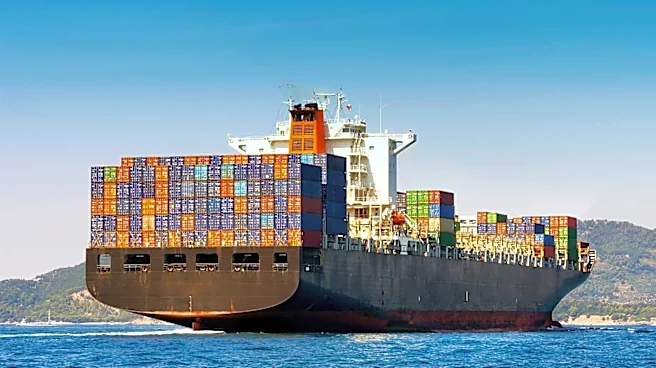
drone attacks on two Saudi oil tankers. These incidents have raised fears of further disruptions in global oil supplies, especially in the Red Sea and the already troubled Strait of Hormuz. President Trump has issued warnings of potential strikes on Iranian infrastructure in response to any threats to ships navigating the strait. Additionally, attacks on the Caspian Pipeline Consortium's Black Sea terminal have exacerbated supply concerns. Meanwhile, data from the Energy Information Administration (EIA) indicates a rise in distillate stockpiles, including diesel and heating oil, by 1.395 million barrels for the week ending July 17.
Why It's Important?
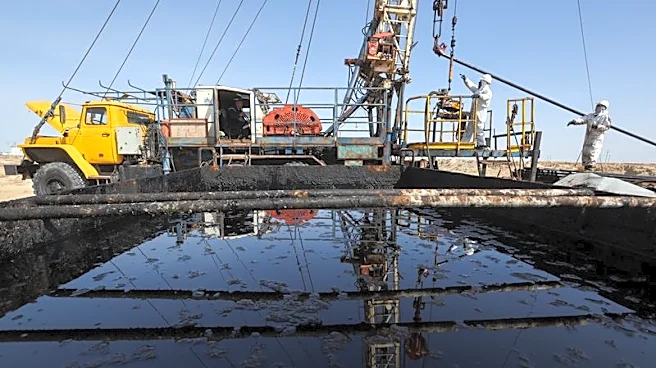
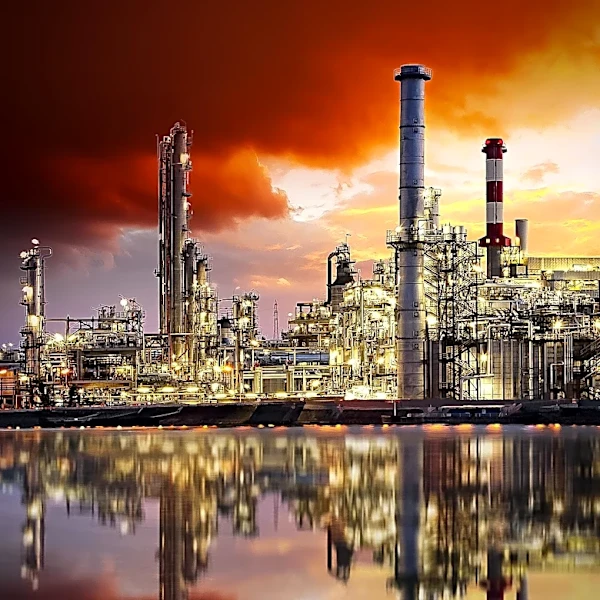
The surge in heating oil prices highlights the vulnerability of global oil markets to geopolitical tensions, particularly in the Middle East, a critical region for oil production and transportation. The potential for prolonged disruptions could lead to sustained high oil prices, impacting heating costs for U.S. consumers and contributing to broader inflationary pressures. The situation underscores the strategic importance of the Strait of Hormuz, through which a significant portion of the world's oil supply is transported. Any prolonged closure or disruption could have severe implications for global energy markets and economic stability. The U.S. response, including potential military actions, could further escalate tensions, affecting international relations and economic policies.
What's Next?
If tensions in the Middle East persist, further increases in oil prices are likely, potentially prompting additional U.S. strategic responses, including the use of the Strategic Petroleum Reserve to stabilize domestic markets. The international community may seek diplomatic solutions to de-escalate the situation, but the risk of military conflict remains. Energy companies and policymakers will need to monitor developments closely, as prolonged disruptions could necessitate adjustments in energy sourcing and consumption strategies.