





What's Happening?
Kith, a New York City lifestyle brand founded in 2011 by Ronnie Fieg, has significantly expanded its offerings beyond traditional apparel and footwear. The brand, known for its blend of streetwear, elevated basics, and high-profile collaborations, now provides
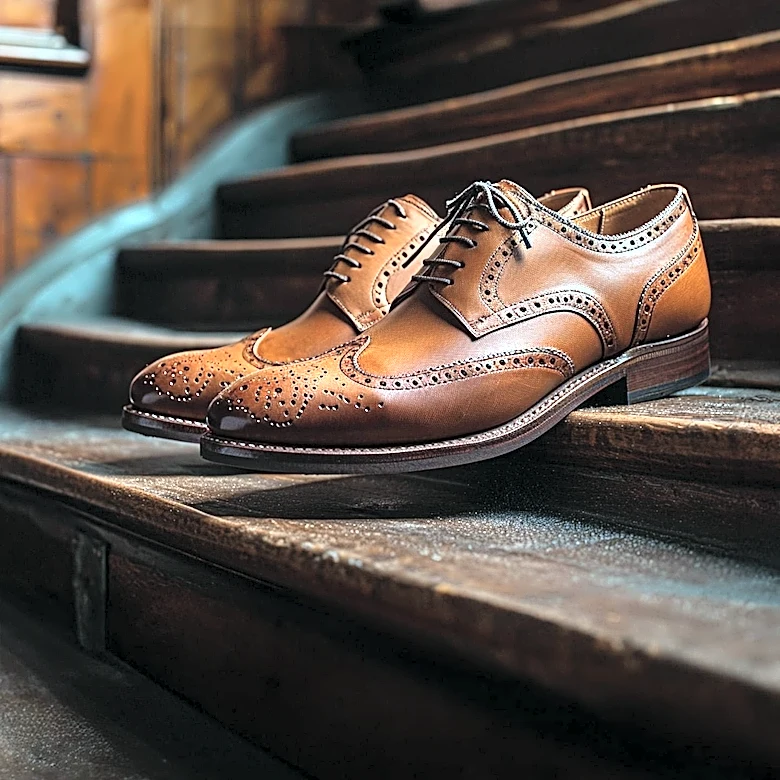
a comprehensive range of products for men, women, and children, including denim, tailoring, outerwear, knitwear, and accessories. Kith's design philosophy emphasizes personal storytelling, detailed fabrication, and a broad lifestyle perspective, allowing its collections to span from relaxed everyday wear to tailored garments. A key aspect of Kith's strategy is its extensive collaboration with various sectors, including fashion, footwear, sports, automotive, entertainment, and lifestyle categories. This collaborative approach gives Kith releases a wider cultural context. Furthermore, Kith has ventured into the hospitality sector with Kith Ivy, a members-only club in New York City that aims to blend luxury, lifestyle, and sport, partnering with establishments like Café Mogador for its dining experience.
Why It's Important?
Kith's evolution from a streetwear brand to a comprehensive lifestyle and hospitality entity signifies a broader trend in the retail industry where brands seek to create immersive experiences and deeper connections with consumers. By offering a diverse product range that includes tailoring alongside streetwear, Kith caters to a wider demographic and various occasions, from casual outings to more formal events. The brand's emphasis on collaborations across diverse industries not only enhances its cultural relevance but also creates unique, limited-edition products that drive consumer engagement and demand. The expansion into hospitality with Kith Ivy represents a strategic move to diversify revenue streams and offer an exclusive, high-end experience that reinforces the brand's luxury positioning. This diversification allows Kith to capture a larger share of consumer spending by integrating its brand identity into multiple facets of its customers' lives, from their wardrobe to their social and leisure activities. This approach could influence other lifestyle brands to explore similar multi-sector expansions.
What's Next?
Kith is expected to continue its strategy of seasonal collections and collaborations, with new drops frequently introducing fresh fabrics, colors, and silhouettes tailored to different times of the year. The brand's official website will remain the primary channel for product information, availability, and new releases, with shipping available to U.S. customers. The Kith Ivy members-only club will likely further establish Kith's presence in the luxury hospitality market, potentially leading to more ventures in experiential retail. Future collaborations are anticipated to span various industries, maintaining the brand's dynamic and culturally relevant appeal. Shoppers can expect a continued focus on versatile wardrobe essentials through lines like Kith Origins, alongside distinctive seasonal pieces and family-focused apparel. The brand's pricing structure will continue to vary based on product category, from basic apparel to premium garments and luxury collaborations.
Beyond the Headlines
Kith's success in blending streetwear with luxury and lifestyle elements highlights a significant shift in consumer preferences towards brands that offer a holistic identity rather than just products. The brand's ability to integrate diverse categories like fashion, automotive, and hospitality under a single umbrella reflects a modern approach to brand building, where storytelling and curated experiences are paramount. This strategy challenges traditional retail models by creating a community around the brand, fostering loyalty through exclusive offerings and unique collaborations. The move into a members-only club like Kith Ivy also taps into the growing demand for exclusivity and personalized experiences, transforming shopping into a lifestyle choice. This trend suggests that the future of retail may lie in brands becoming cultural hubs that offer a wide array of products and services, blurring the lines between commerce, entertainment, and social interaction.