





What's Happening?
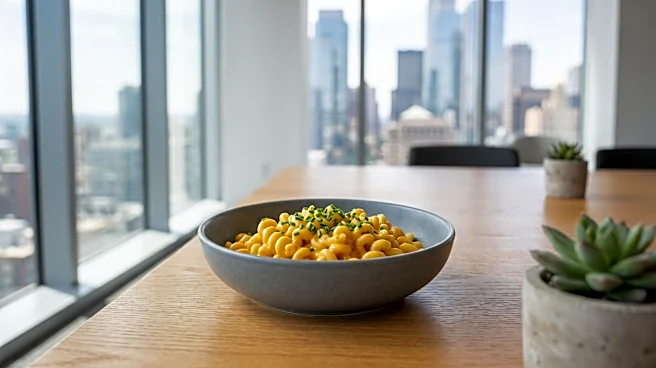
Italian pasta giant Barilla has reached an agreement to acquire Goodles, the U.S. mac-and-cheese brand co-founded by Israeli actress Gal Gadot and her husband, Jaron Varsano. The financial terms of the transaction, announced on Thursday, have not been
disclosed. The deal is currently awaiting regulatory approval. Goodles, established in October 2020 under the name Gooder Foods, markets itself as a more nutritious alternative to traditional boxed macaroni and cheese in the U.S. market. The company was valued at $88 million following a 2023 funding round and reported its first profit in 2024. Goodles has rapidly expanded its presence in the U.S. market, securing distribution in major retailers such as Target and Whole Foods. Upon completion of the acquisition, Goodles is expected to continue operating as a standalone brand, maintaining its headquarters in Santa Cruz, California. Co-founder and CEO Jen Zeszut will remain in charge of the company and its 73-person team. The future role of Gal Gadot within the company after the acquisition is not yet clear.
Why It's Important?
This acquisition signifies a strategic move by Barilla to expand its footprint in the U.S. food market, particularly within the growing segment of health-conscious convenience foods. By integrating Goodles, Barilla gains a brand that has successfully positioned itself as a 'more nutritious' option in the popular mac-and-cheese category, appealing to consumers seeking healthier alternatives without sacrificing comfort. This could lead to increased competition in the U.S. boxed meal sector, potentially prompting other food manufacturers to innovate and offer similar products. For Goodles, joining Barilla provides access to the resources and global distribution network of the world's largest pasta company, which could accelerate its growth and facilitate international expansion. The deal also highlights the increasing trend of celebrity-backed ventures in the consumer goods sector, leveraging public figures' influence to build brand recognition and market share. The emphasis on 'gooder decisions' and maintaining quality, as stated by Goodles' CEO, suggests a focus on product integrity that could resonate with a broader consumer base.
What's Next?
The acquisition is contingent on regulatory approval, which will determine the timeline for its finalization. Once approved, Goodles will operate as a standalone brand under the Barilla Group, with its current CEO, Jen Zeszut, continuing to lead the company. This structure suggests that Barilla intends to leverage Goodles' existing brand identity and operational model while providing strategic support for growth. Goodles' CEO has indicated that the partnership with Barilla will help the company innovate and grow internationally, suggesting potential expansion into new markets beyond the U.S. There may be further announcements regarding Gal Gadot's involvement with the brand once the acquisition is complete. The integration into Barilla's portfolio could lead to increased marketing efforts and wider distribution for Goodles products, potentially making them more accessible to a larger consumer base across the U.S. and globally.
Beyond the Headlines
This acquisition reflects a broader shift in consumer preferences towards healthier and more transparent food options, even within comfort food categories. Goodles' success in marketing a 'nutritious' mac-and-cheese product demonstrates the demand for products that offer both indulgence and perceived health benefits. The involvement of a celebrity like Gal Gadot in co-founding the brand also underscores the power of personal branding and influencer marketing in today's competitive consumer landscape. This trend could encourage more celebrities to venture into entrepreneurship within the food industry, further blurring the lines between entertainment and business. The emphasis on maintaining Goodles' distinct brand identity and operational independence under Barilla's ownership suggests a strategy of acquiring innovative brands to diversify product offerings while preserving their unique appeal. This approach allows larger corporations to tap into niche markets and evolving consumer tastes without diluting their core brand identity.