




What's Happening?
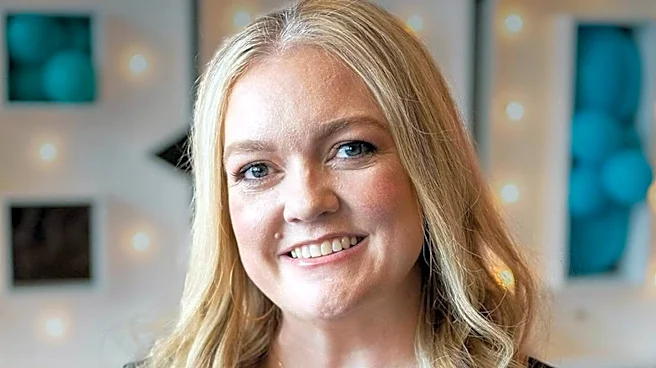
Colleen Hoover, the American novelist known for her contemporary romance and psychological thrillers, is serving as an executive producer for the 2026 film adaptation of her 2018 psychological thriller, 'Verity.' Hoover transitioned from self-publishing
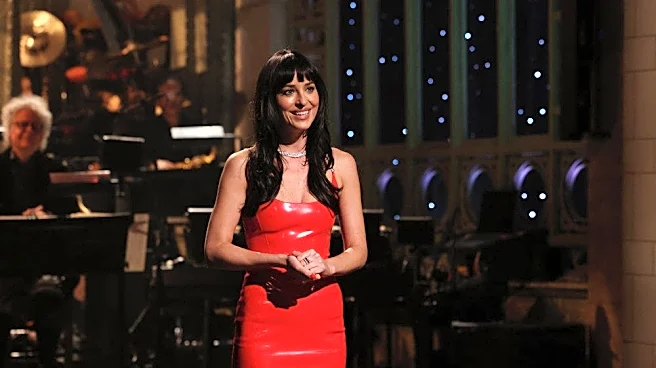
to global literary success, largely due to the viral popularity of her works on social media platforms like TikTok. 'Verity' is considered one of her most discussed and polarizing works, marking a departure from her usual romance genre. The novel explores themes of an unreliable narrator and moral ambiguity, with Hoover intentionally leaving the ultimate 'truth' of the story open to reader interpretation. She also included a bonus chapter in later editions, further fueling fan debates. Hoover insisted on maintaining the graphic nature of the manuscript's contents during the film's development to preserve the story's psychological weight. Director Michael Showalter, known for 'The Big Sick' and 'The Eyes of Tammy Faye,' is helming the adaptation for Amazon MGM Studios, with Anne Hathaway and Dakota Johnson cast in lead roles. Screenwriter Hillary Seitz, recognized for her work on atmospheric thrillers like 'Insomnia,' is adapting the novel's epistolary elements into a cinematic structure.
Why It's Important?
The adaptation of Colleen Hoover's 'Verity' into a major film production underscores the significant influence of social media, particularly platforms like TikTok, in propelling authors from self-publishing to mainstream success and Hollywood recognition. Hoover's career trajectory highlights a shift in the publishing industry, where grassroots online communities can generate immense demand for literary works, subsequently attracting the attention of film studios. This trend empowers authors by giving them a direct channel to build a dedicated fanbase, known as 'CoHorts' in Hoover's case, which can then translate into substantial commercial and critical leverage. For the entertainment industry, investing in adaptations of virally popular books like 'Verity' represents a strategic move to tap into pre-existing, highly engaged audiences, potentially leading to guaranteed box office or streaming success. The involvement of Hoover as an executive producer also signifies a growing trend of authors maintaining creative control over their adaptations, ensuring the narrative's core themes and controversial elements, which resonated with readers, are faithfully translated to the screen. This approach can mitigate risks for studios by aligning the film with the original vision that captivated millions, while also setting a precedent for authorial involvement in future adaptations.
What's Next?
The 2026 release of the 'Verity' film adaptation will be a significant event for both Colleen Hoover's fanbase and the broader entertainment industry. The film's reception will likely be closely watched as a case study for the continued viability of adapting social media-driven literary phenomena. Should the film achieve critical and commercial success, it could further solidify Hoover's standing as a cross-platform creative force and encourage more studios to seek out and invest in books that have gained viral traction online. Conversely, if the adaptation fails to capture the essence of the novel or satisfy its dedicated readership, it could lead to discussions about the challenges of translating complex, often controversial, literary themes to the screen. The film's performance may also influence future casting decisions for adaptations of similar psychological thrillers, particularly regarding the balance between established stars and emerging talent. Furthermore, the ongoing debate among fans regarding the novel's ambiguous ending will likely intensify with the film's release, as viewers and readers compare interpretations and discuss whether the cinematic version offers any definitive answers or maintains the original's deliberate uncertainty.
Beyond the Headlines
The adaptation of 'Verity' delves into deeper implications concerning the nature of storytelling, truth, and perception in contemporary media. Hoover's deliberate use of an unreliable narrator and moral ambiguity in the novel challenges audiences to confront uncomfortable truths and question their own interpretations, a theme that will be amplified on screen. This approach can spark broader cultural conversations about the role of subjective experience in narrative and the impact of psychological thrillers in exploring the darker facets of human nature. The film's potential to generate intense debate, similar to the novel, highlights the power of art to provoke thought and discussion, even when dealing with controversial emotional themes. Ethically, the adaptation's commitment to retaining the 'graphic nature' of the source material raises questions about the responsibility of filmmakers in portraying disturbing content and its potential effects on viewers. Moreover, the success of 'Verity' as a 'polarizing work' suggests a growing audience appetite for narratives that defy easy categorization and offer complex, unsettling experiences, pushing the boundaries of traditional genre expectations in both literature and film.