

What's Happening?
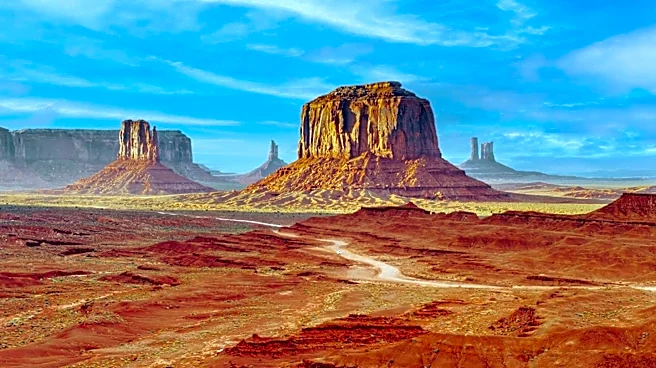
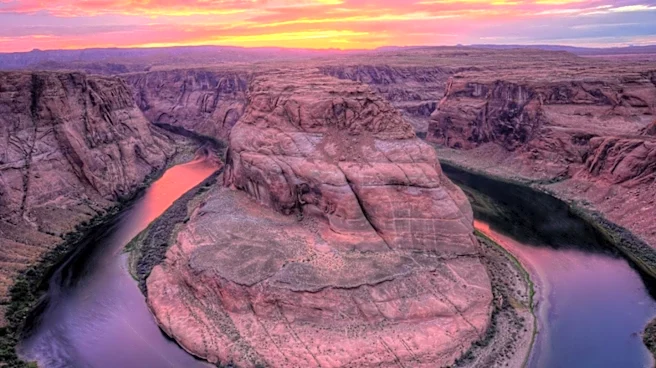
The American West is home to several state parks that preserve unique desert landscapes characterized by extreme aridity and geological formations. These parks, located in California, Nevada, Arizona, and Utah, offer a glimpse into the region's distinct
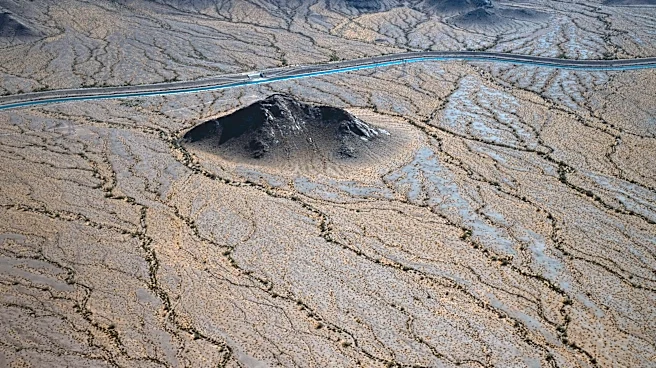
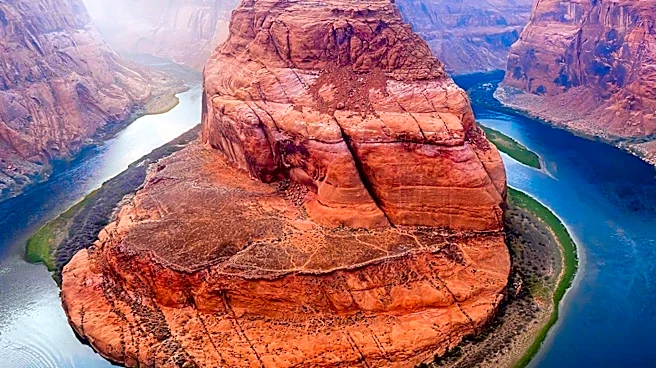
ecosystems and geological history. Anza-Borrego Desert State Park in California, the largest state park in the state, features badlands, slot canyons, and palm oases, with fossilized remains of Pleistocene mammals. Valley of Fire State Park in Nevada is known for its ancient sandstone formations and petroglyphs carved by the Ancestral Puebloans. Goblin Valley State Park in Utah is famous for its mushroom-shaped hoodoos, while Picacho Peak State Park in Arizona features a volcanic plug and diverse Sonoran Desert flora. These parks provide opportunities for hiking, exploration, and observing the stark beauty of the desert, while also serving as filming locations for Westerns and science fiction movies.
Why It's Important?
The desert state parks of the American West play a crucial role in preserving the region's unique geological and ecological features. These parks protect fragile ecosystems that rely on specific climatic conditions, such as low annual precipitation, to maintain their biological soil crusts and specialized flora. The parks also offer valuable opportunities for scientific research and education, allowing visitors to learn about the geological processes that have shaped the landscape over millions of years. Additionally, the parks contribute to the local economy by attracting tourists and outdoor enthusiasts, providing recreational opportunities and supporting conservation efforts. The preservation of these parks ensures that future generations can continue to experience and study the natural wonders of the desert.
Beyond the Headlines
The management of desert state parks involves balancing public access with the preservation of fragile ecosystems. Visitors are encouraged to respect the environment by staying on designated trails and minimizing their impact on the landscape. The parks' remote locations and extreme temperatures require careful preparation and respect for the natural conditions. As climate change continues to affect the region, the preservation of these parks becomes even more critical, highlighting the need for sustainable management practices and increased awareness of the environmental challenges facing desert ecosystems.