





What's Happening?
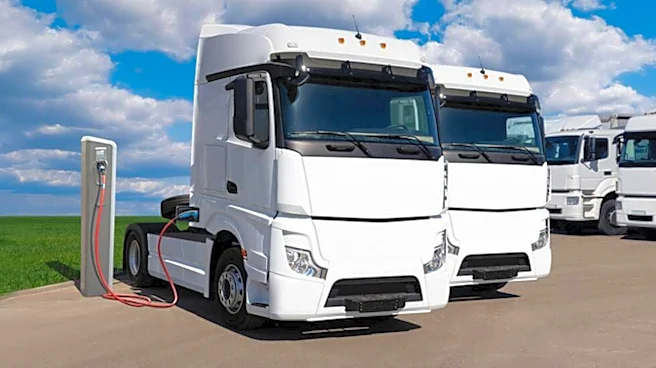
Autonomous electric truck manufacturer Einride AB has announced the acquisition of Flipturn, a New York-based company specializing in electric-vehicle charging management. The deal, valued at $38.4 million, aims to bolster Einride's capabilities in managing
and optimizing electric heavy-duty freight operations. Flipturn, founded by Samsara alumni Katie Siegel and Sashko Stubailo, provides a platform that helps fleets predict charging times, manage costs, and optimize battery usage. The acquisition is part of Einride's strategy to scale its operations in the U.S. and enhance its software offerings for electric freight technology. Flipturn's technology currently manages over 250 megawatts of charging capacity, and its team will continue to operate within the new organization, benefiting from increased resources to address electrification challenges.
Why It's Important?
This acquisition is significant as it represents a strategic move by Einride to strengthen its position in the electric freight industry, particularly in the U.S. market. By integrating Flipturn's technology, Einride aims to offer more cost-effective and reliable charging solutions to its customers, which include major carriers like Werner and Swift. This development could accelerate the adoption of electric vehicles in the commercial sector by addressing key challenges such as charging infrastructure and cost management. The move also highlights the growing importance of software solutions in optimizing electric vehicle operations, which could lead to increased efficiency and reduced operational costs for fleet operators.
What's Next?
Following the acquisition, Einride is expected to integrate Flipturn's technology into its existing operations, enhancing its service offerings for electric freight optimization. The company may also explore further expansion in the U.S. market, leveraging Flipturn's expertise and resources to attract more customers. As the demand for electric vehicles continues to rise, Einride's enhanced capabilities could position it as a leader in the electric freight industry. Stakeholders, including fleet operators and logistics companies, will likely monitor the integration process and its impact on service delivery and cost efficiency.