


What's Happening?
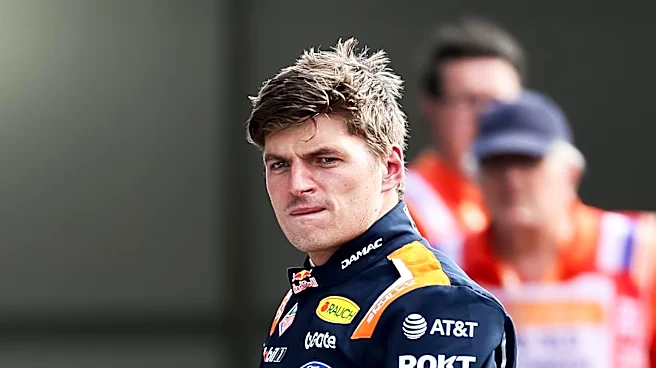
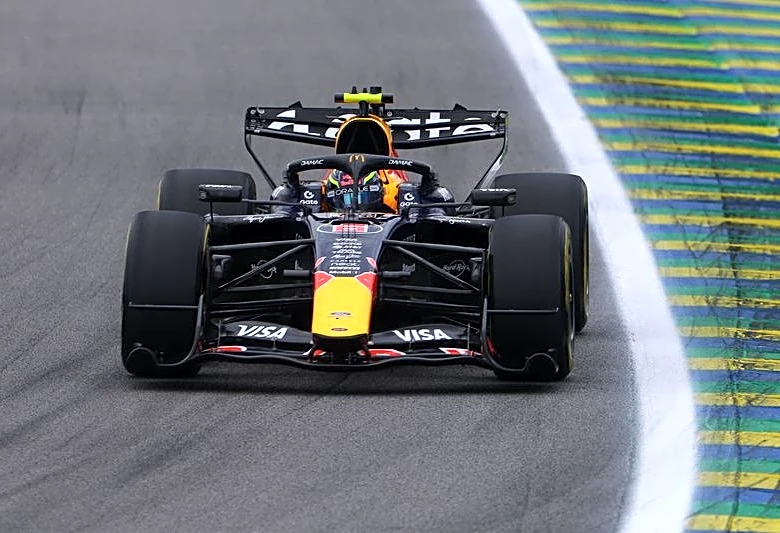
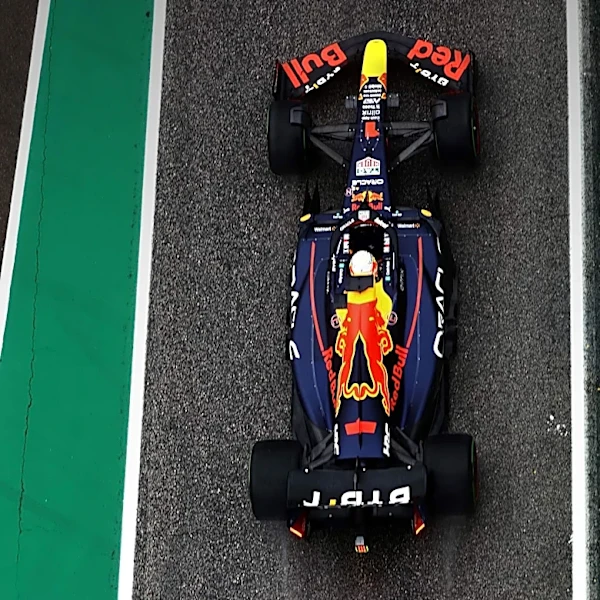
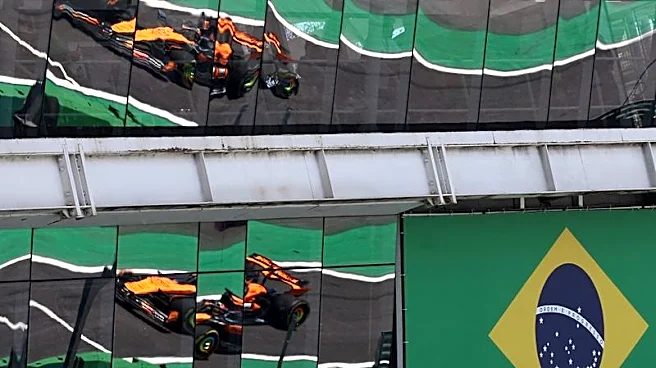
During the first practice session of the Sao Paulo Grand Prix, Formula One driver Max Verstappen voiced his displeasure with Lance Stroll's actions on the track. The incident occurred as the practice session concluded, a time when drivers typically perform
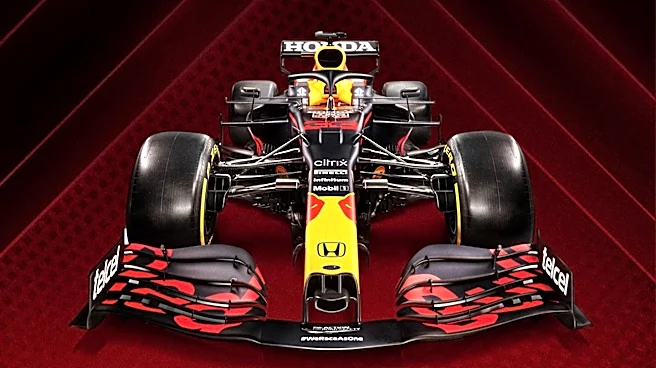
practice starts from the grid. Verstappen was preparing for a launch on the right side of the grid, slowing down to warm his tires, when Stroll's Aston Martin unexpectedly overtook him. Verstappen communicated his surprise and frustration over team radio, asking, 'What is that Aston doing. He's just overtaking.' His race engineer, Tom Hart, acknowledged the situation, stating, 'Yeah, saw that Max, not sure what he's up to.' This maneuver was highlighted in replays and discussed by Sky Sports F1 commentators, with former F1 driver Karun Chandhok expressing incredulity. Chandhok and co-commentator David Croft noted that an unwritten 'gentlemen's agreement' among drivers usually dictates conduct during these end-of-session practice starts, which Stroll's action appeared to violate.
Why It's Important?
This incident, while occurring in a practice session, highlights the underlying tensions and unwritten rules that govern competitive sports like Formula One. The 'gentlemen's agreement' is a crucial aspect of driver etiquette, designed to maintain order and safety during non-competitive track time. When such agreements are perceived to be broken, it can lead to friction between drivers and teams, potentially impacting future on-track interactions. For Verstappen, a multiple-time world champion, any perceived disrespect or deviation from established norms can be a significant point of contention. Such events, even in practice, can influence team dynamics and driver relationships, adding another layer of psychological warfare to the already intense competition. It also brings into focus the role of race control and whether such unwritten rules should be formalized to prevent future disputes, or if they are best left to driver discretion and mutual respect.
What's Next?
While no formal penalties are expected from this practice incident, the event could lead to increased scrutiny of driver conduct during non-competitive sessions. It may prompt discussions among drivers and team principals regarding the enforcement or clarification of these unwritten rules. Future interactions between Verstappen and Stroll, both on and off the track, will likely be observed more closely for any lingering effects of this perceived breach of etiquette. Race officials might also consider issuing reminders to teams about expected behavior during practice starts to prevent similar occurrences. The incident could also serve as a talking point in pre-race briefings, reinforcing the importance of mutual respect among competitors, even when not directly competing for position. The focus will now shift to qualifying and the main race, where competitive incidents carry much higher stakes.
Beyond the Headlines
The incident between Verstappen and Stroll delves into the broader ethical considerations within highly competitive sports. The concept of a 'gentlemen's agreement' relies heavily on trust and mutual respect among competitors, often acting as an informal regulatory mechanism where formal rules might be insufficient or impractical. When such an agreement is violated, it can erode trust and foster an environment of suspicion, potentially leading to more aggressive or less cooperative behavior in subsequent events. This situation also touches upon the psychological warfare inherent in elite sports, where even minor perceived slights can be used to gain a mental edge. The incident underscores the delicate balance between individual ambition and collective sportsmanship, raising questions about how much informal codes of conduct should dictate behavior in a professional, high-stakes environment. It also highlights the role of media and commentary in shaping public perception of such events, influencing narratives around driver conduct and sportsmanship.