





What's Happening?
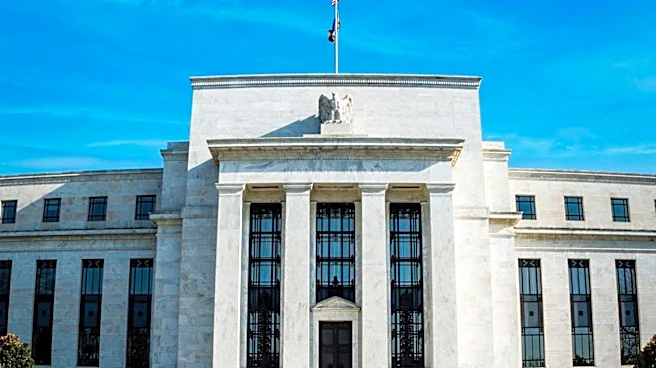
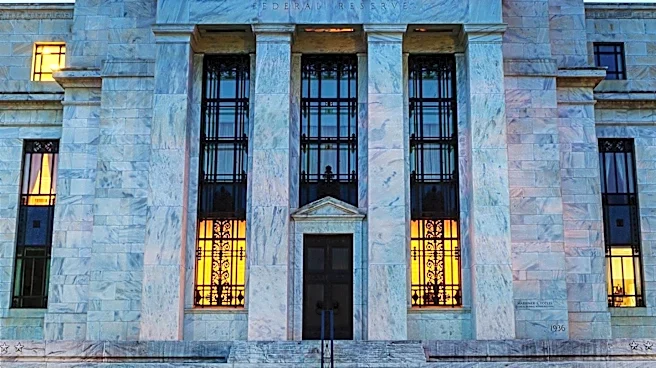
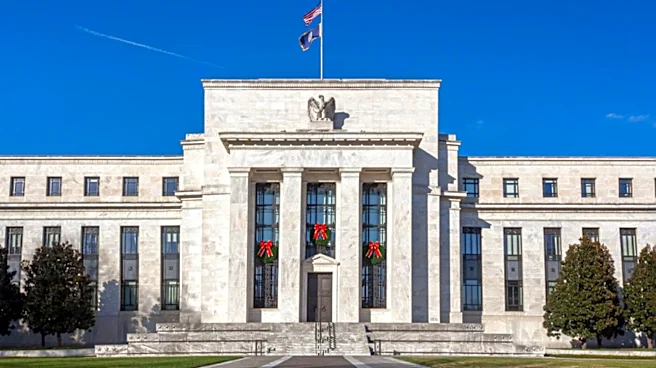
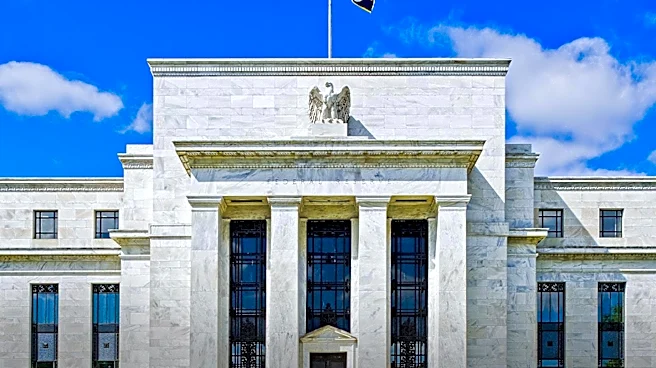
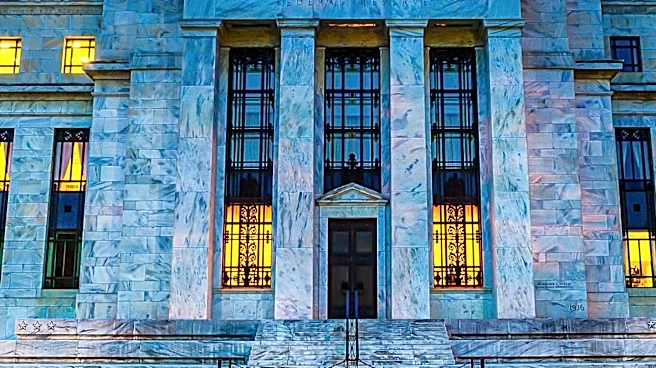
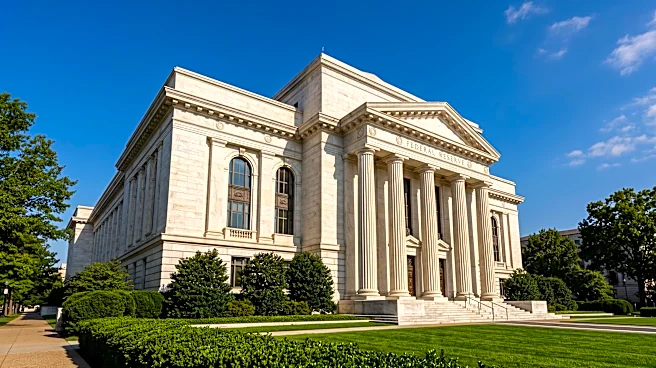
The Federal Reserve System, the central bank of the United States, functions as a unique hybrid entity, combining elements of a public federal agency with privately structured regional reserve banks. Established in 1913, its primary goal is to maintain
a stable monetary and financial system, guided by objectives of maximum employment, stable prices, and moderate long-term interest rates. The system comprises the Board of Governors, 12 Federal Reserve Banks, and member banks. The Board of Governors, an independent federal regulatory agency based in Washington, D.C., is nominated by the President and confirmed by the Senate, reporting directly to Congress. This board oversees systemic banking regulations, reviews regional budgets, and leads national directives. In contrast, the twelve regional Federal Reserve Banks operate with their own corporate charters, regional boards of directors, and issue stock exclusively to private member commercial banks within their geographical districts. These member banks are legally required to purchase shares, creating a technical corporate ownership structure. The Federal Reserve also provides critical payment and securities services, processing over $5 trillion daily through services like FedCash®, FedACH®, and Fedwire®.
Why It's Important?
This hybrid structure is crucial for the U.S. economy as it attempts to balance public accountability with operational independence from direct political influence. The Board of Governors ensures that broad national monetary policy aligns with federal leadership and public welfare, preventing commercial interests from solely dictating economic direction. However, the involvement of regional banks, owned by member commercial banks, integrates private sector realities and expertise into the system. This integration allows the Federal Reserve to gather ground-level business intelligence through field surveys across various sectors, translating local economic shifts into actionable data for policymakers. The unique ownership structure of regional banks, where stock ownership provides fixed dividends rather than control over policy or system-wide profits, prevents commercial mega-banks from leveraging their investment for undue influence on national monetary management. This design aims to ensure that monetary decisions consider both broader public welfare and real-world commercial conditions, fostering stability in financial markets and the broader economy.
What's Next?
The Federal Reserve will continue to manage monetary policy and financial stability, with ongoing debates likely to arise regarding its decisions, such as interest rate adjustments. The Federal Open Market Committee (FOMC), which includes both federally confirmed Board of Governors members and rotating regional reserve bank presidents, will remain the key body for setting benchmark borrowing rates and bond portfolios. This structure ensures a continuous balancing act between public oversight and private sector input in monetary policy decisions. The Federal Reserve Financial Services (FRFS) will also continue to innovate and provide payment services to financial institutions, with leadership teams responsible for ensuring a robust and unified customer experience across offerings like FedLine® Solutions, FedNow®, and Fedwire®. Future developments may include further regulatory proposals, such as those for payment stablecoins, under legislative frameworks like the GENIUS Act, reflecting the ongoing evolution of the financial landscape and the Federal Reserve's role in it.
Beyond the Headlines
The Federal Reserve's unique hybrid structure delves into deeper implications concerning the nature of central banking and its role in a democratic society. The deliberate design, which separates the Board of Governors' federal oversight from the regional banks' commercial integration, reflects a historical effort to insulate monetary policy from short-term political pressures while still grounding it in economic realities. This balance raises ethical questions about the appropriate level of private sector involvement in public policy and the extent to which commercial banks, as stakeholders, should influence the nation's financial direction. The system's ability to surrender excess earnings to the U.S. Treasury, rather than distributing them as profits to private shareholders, underscores its public service mandate. This model contrasts with purely government-run or entirely private central banks, highlighting a nuanced approach to economic governance that seeks to leverage the efficiency of private enterprise while maintaining public accountability and stability.