



What's Happening?
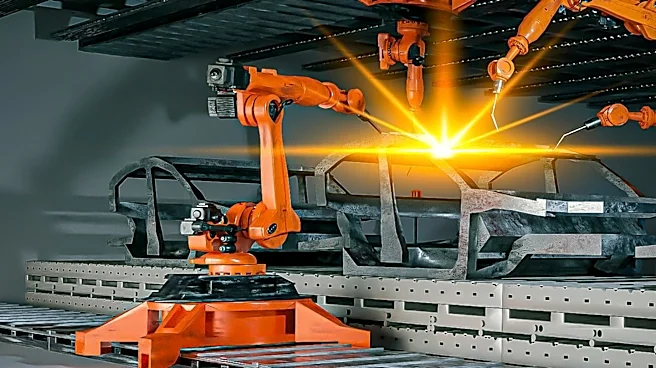
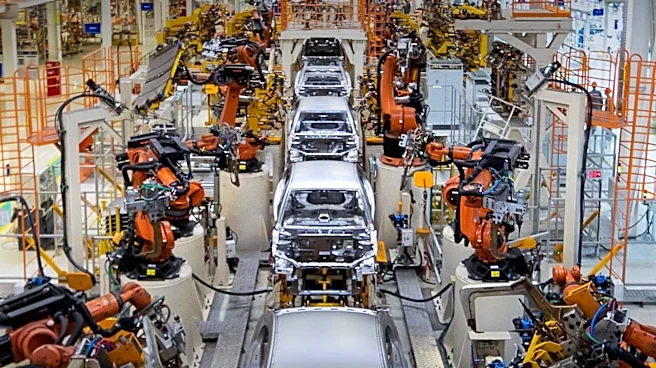
The U.S. manufacturing sector is undergoing a significant transformation driven by the Internet of Things (IoT), often referred to as Industrial IoT (IIoT). This involves a network of interconnected sensors, devices, machines, and software systems that
collect, exchange, and analyze data in real time across production environments. Key components include RFID tags for asset tracking, RTLS for tracking people and equipment, industrial sensors for monitoring various parameters, edge computing devices for localized data processing, cloud-based IoT platforms for analytics, and AI/machine learning models for predictive insights. This integration forms the backbone of Industry 4.0, characterized by automation, data exchange, and smart decision-making. Manufacturers are moving from reactive to predictive operations, gaining end-to-end visibility, and making data-driven decisions, leading to significant improvements in operational efficiency and a reduction in total cost of ownership.
Why It's Important?
The widespread adoption of IoT in U.S. manufacturing is profoundly impacting industries such as automotive, electronics, pharmaceuticals, and heavy machinery. This shift is not merely a technological upgrade but a competitive necessity, enabling manufacturers to achieve substantial gains in productivity and cost savings. By facilitating predictive maintenance, IoT reduces unplanned downtime by up to 50% and extends equipment lifespan, directly boosting output and profitability. Real-time asset tracking and smart quality control minimize waste and rework, while digital twins allow for process optimization without disrupting live operations. Furthermore, IoT enhances worker safety through wearables and RTLS-enabled systems, reducing workplace accidents. The ability to integrate IoT with existing legacy machinery through retrofitting ensures that even older facilities can participate in this transformation, democratizing access to advanced manufacturing capabilities and strengthening the overall competitiveness of U.S. industries on a global scale.
What's Next?
The future of IoT in U.S. manufacturing is poised for further advancements, with maturing technologies like 5G connectivity, edge AI, and advanced RFID/RTLS. This will drive the industry beyond mere monitoring towards fully autonomous, self-optimizing production environments. Expect deeper integration of AI-driven analytics, digital twins, and cross-facility IoT networks, enabling global manufacturers to manage operations from a single, unified platform regardless of geographical location. Manufacturers are encouraged to start with pilot projects in high-impact areas, such as predictive maintenance or RFID-based inventory tracking, before scaling across their facilities. Partnering with experienced IoT and RTLS solutions providers will be crucial for navigating challenges like integration with legacy systems, data security, and scalability, ensuring a structured and low-risk rollout aligned with operational goals. This strategic investment in scalable IoT infrastructure will position U.S. manufacturers to lead in an increasingly connected and data-driven industrial landscape.
Beyond the Headlines
The transformative power of IoT in manufacturing extends beyond immediate operational and economic benefits, touching upon broader societal and ethical implications. The move towards autonomous and self-optimizing production environments raises questions about the future of the workforce, necessitating investments in reskilling and upskilling programs to prepare employees for new roles alongside advanced technologies. The emphasis on data security in connected devices highlights the increasing vulnerability of industrial infrastructure to cyber threats, underscoring the need for robust cybersecurity protocols and national strategies to protect critical manufacturing capabilities. Moreover, the ability of IoT to monitor energy consumption and resource usage contributes to sustainability goals, aligning U.S. manufacturing with global efforts to combat climate change and promote responsible resource management. This technological evolution is not just about making factories smarter, but about building a more resilient, secure, and environmentally conscious industrial future.