







What's Happening?
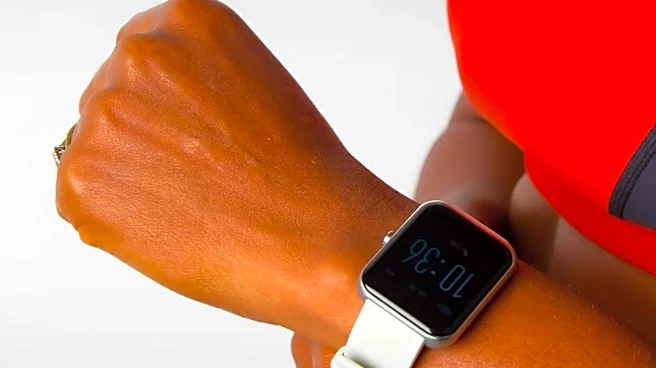
A recent study conducted by Florida International University researchers indicates that popular smartwatches, including the Fitbit Sense 2, Apple Watch Series 8, Samsung Galaxy Watch 5, and Garmin Forerunner 955, often provide inaccurate readings for
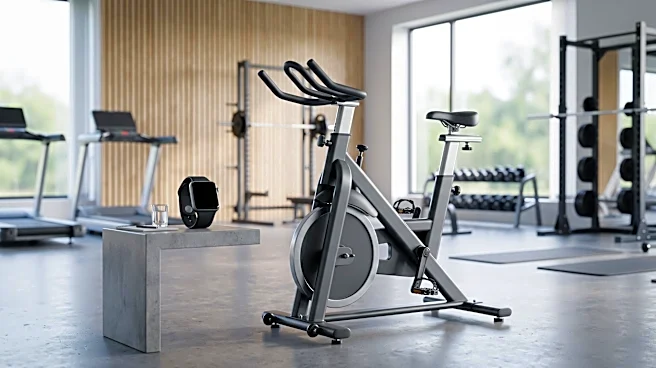
calories burned during workouts. The study, which involved 58 Hispanic adults performing stationary bike workouts, compared smartwatch data against a COSMED K5 metabolic analyzer, a highly accurate laboratory device. Findings showed that while the Apple Watch Series 8 was the most accurate, Garmin and Samsung models tended to overestimate calorie expenditure significantly. The Fitbit Sense 2 presented inconsistent results, sometimes failing to record data or reporting implausibly low counts, leading to much of its data being excluded from the final analysis. A critical discovery was that the margin of error in calorie tracking increased for individuals with higher body fat percentages, suggesting that current algorithms may not be optimized for this demographic. Lead author Jason Kostrna, an associate professor of kinesiology and exercise science, emphasized that users should not treat the calorie count as an exact figure, as it can lead to a calorie surplus when a deficit is intended.
Why It's Important?
The findings of this study have significant implications for public health and the fitness technology industry in the U.S. Millions of Americans rely on smartwatches for health and fitness tracking, often using calorie expenditure data to guide their dietary and exercise decisions. Inaccurate calorie counts, particularly overestimations, can undermine weight loss efforts and lead to frustration for users who are diligently trying to manage their health. For individuals with higher body fat percentages, who may be more motivated to track calories, the increased error rate means these devices are less effective for the very population that could benefit most from accurate data. This could lead to a cycle of discouragement and potentially impact adherence to fitness routines. For smartwatch manufacturers, the study highlights a need for algorithm refinement to improve accuracy across diverse user populations. The current discrepancies could also lead to consumer distrust in fitness tracking technology, affecting sales and market growth in a competitive industry.
What's Next?
The researchers plan to extend their study to investigate how smartwatches estimate calories during strength training workouts, which present different physiological challenges for calorie measurement. This next phase could reveal further insights into the limitations of current wearable technology. For consumers, experts advise a cautious approach to smartwatch calorie data, recommending that users round down the reported figures and consult with professionals for personalized dietary and exercise advice. This suggests a shift towards viewing smartwatches as motivational tools rather than precise scientific instruments for calorie tracking. Smartwatch manufacturers are encouraged to review this data to refine their product algorithms, potentially leading to more accurate and inclusive fitness tracking devices in the future. The industry may see a push for greater transparency regarding the methodologies used to calculate calorie expenditure and the populations on which these algorithms are tested.
Beyond the Headlines
This study touches upon broader ethical and societal implications concerning the reliance on technology for personal health management. The finding that calorie tracking is less accurate for individuals with higher body fat raises questions about algorithmic bias and the potential for technology to inadvertently disadvantage certain user groups. If algorithms are primarily developed and tested on populations with lower body fat, it creates a disparity in the effectiveness of these tools. This could exacerbate existing health inequalities, as individuals who might benefit most from accurate tracking receive less reliable information. Furthermore, the study underscores a growing need for critical evaluation of health-related data provided by consumer devices. It highlights the importance of understanding the limitations of technology and the continued necessity of professional guidance in health and wellness, rather than solely depending on automated metrics. This could lead to a re-evaluation of how fitness technology is marketed and the claims made about its accuracy.