






What's Happening?
Pennsylvania has advanced from third to second place nationally in sales of organic agricultural products, according to new data from the 2025 National Organic Survey released by the USDA’s Agricultural Marketing Service on October 30, 2026. The state's
organic sales increased by $20 million, or over 1.83%, reaching $1.114 billion from $1.094 billion in the past year. The number of organic-certified farms in Pennsylvania also saw significant growth, rising by nearly 30.7% from 880 to 1,150 since January 2023. This growth is attributed to strategic investments by the Shapiro Administration, including the creation of an Organic Center for Excellence, the PA Preferred Organic™ brand, and an Organic Agriculture Apprenticeship program. Pennsylvania leads nationally in organic livestock sales, including poultry, eggs, and turkeys, and in organic mushroom sales.
Why It's Important?
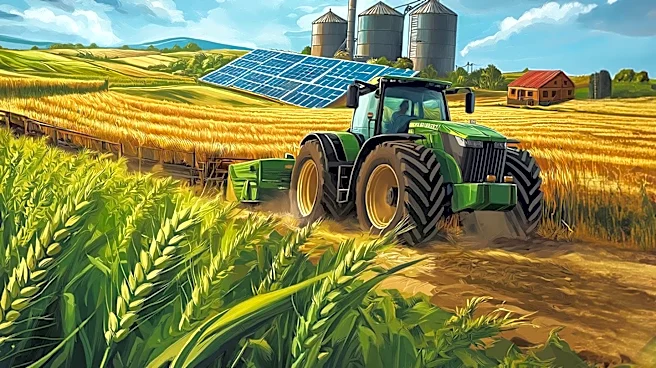
Pennsylvania's ascent in organic agricultural sales signifies a major economic and agricultural shift within the U.S. This growth demonstrates the increasing consumer demand for organic products and the effectiveness of state-level investments in supporting farmers transitioning to and expanding organic operations. The agricultural sector is a cornerstone of Pennsylvania's economy, contributing over $153 billion annually and supporting nearly 600,000 jobs. The state's focus on organic agriculture not only boosts farm revenue but also aligns with broader trends in sustainable farming and food security. By investing in initiatives like the Organic Center for Excellence and the PA Preferred Organic™ brand, Pennsylvania is establishing itself as a leader in a high-value market, providing economic stability and growth opportunities for its farmers. This success could serve as a model for other states looking to enhance their agricultural economies and meet evolving consumer preferences.
What's Next?
Governor Shapiro's 2026-27 budget continues to prioritize strengthening agriculture and food security, with significant investments planned. These include $10 million for Fruit Grower Freeze Disaster Assistance Recovery Grants, $5 million to combat Highly Pathogenic Avian Influenza, and another $10 million for a third year of the Agricultural Innovation Grant Program. Additionally, $13.8 million will fully fund an eighth year of the Pennsylvania Farm Bill, supporting business planning, infrastructure, and workforce development. These ongoing investments aim to sustain Pennsylvania's leadership in organic agriculture and ensure its continued profitability and global competitiveness. The state will likely continue to promote its PA Preferred program to connect farmers with consumers seeking local, high-quality products, further solidifying its market position.
Beyond the Headlines
The success of Pennsylvania's organic agriculture sector extends beyond economic figures, highlighting a broader cultural and environmental impact. The emphasis on organic farming practices contributes to improved soil health, water quality, and biodiversity, aligning with national environmental conservation goals. The creation of an Organic Agriculture Apprenticeship program addresses labor shortages and provides pathways to family-sustaining jobs, fostering a skilled workforce in a growing industry. This strategic approach not only boosts the state's economy but also enhances its reputation as a producer of high-quality, sustainably grown food. The increased consumer trust in locally produced organic goods, bolstered by initiatives like the PA Preferred Organic™ brand, could lead to a more resilient and localized food system, reducing reliance on distant supply chains and strengthening community ties to agriculture.