





What's Happening?
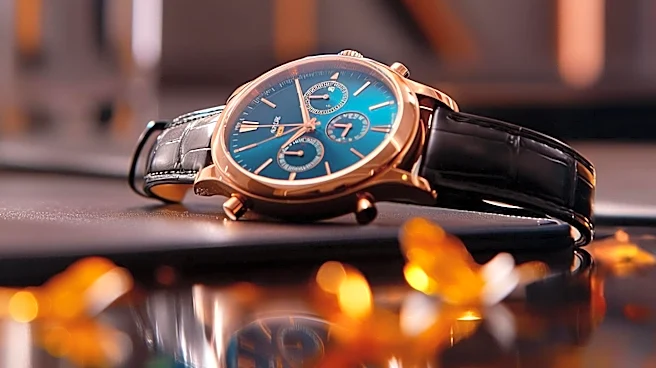
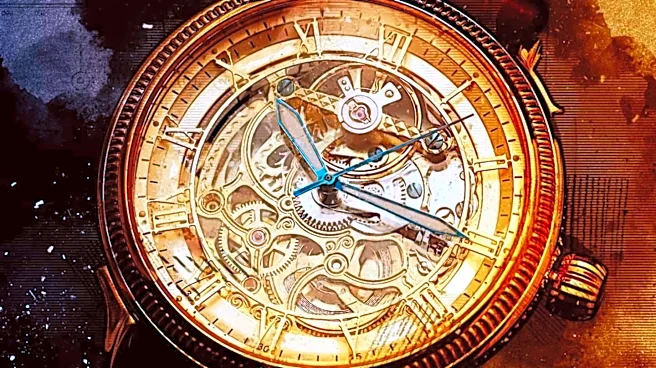
Patek Philippe, under the leadership of Philippe Stern, made a pivotal decision in the 1980s to focus on mechanical watchmaking despite the quartz crisis that threatened the industry. Stern's commitment led to the creation of the Caliber 89, the world's
most complicated portable timekeeping device at the time, which marked a significant moment in the mechanical watchmaking renaissance. This decision helped Patek Philippe and the broader Swiss watch industry recover from the challenges posed by cheaper, battery-powered quartz watches. The brand's focus on craftsmanship and tradition has since solidified its position as a leader in luxury watchmaking.
Why It's Important?
Patek Philippe's decision to double down on mechanical watchmaking during a period of uncertainty had a profound impact on the luxury watch industry. By prioritizing traditional craftsmanship over emerging quartz technology, the company not only preserved its heritage but also set a precedent for other luxury brands. This move contributed to a resurgence in demand for mechanical watches, which are now seen as symbols of luxury and precision. The success of Patek Philippe's strategy underscores the value of maintaining brand identity and quality in the face of technological disruption.
What's Next?
Patek Philippe is likely to continue its focus on mechanical innovation and luxury craftsmanship, further strengthening its market position. The brand's strategy may inspire other luxury watchmakers to emphasize traditional techniques and high-quality materials. As consumer interest in luxury and heritage products grows, Patek Philippe could explore new markets and expand its product lines to cater to evolving tastes. The company's ongoing commitment to mechanical watchmaking may also influence industry trends and consumer preferences in the luxury sector.