
What's Happening?
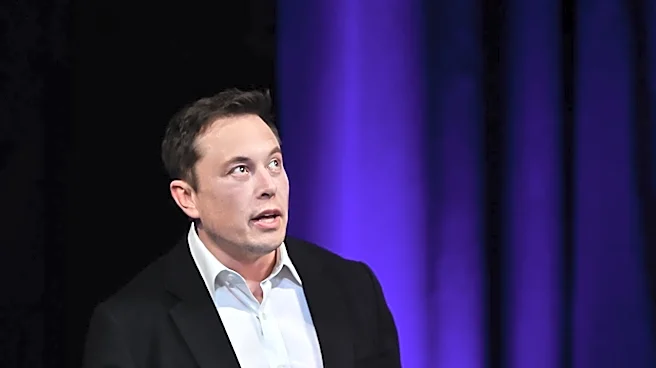
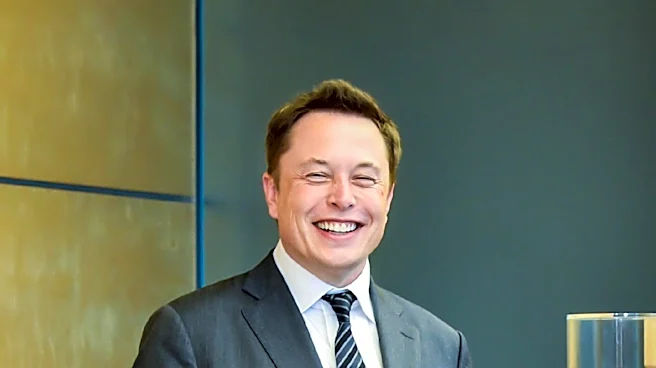
Elon Musk has issued a warning that the artificial intelligence (AI) industry could encounter a significant cash shortage by 2027. This projection comes as his own company, SpaceX, secured approximately
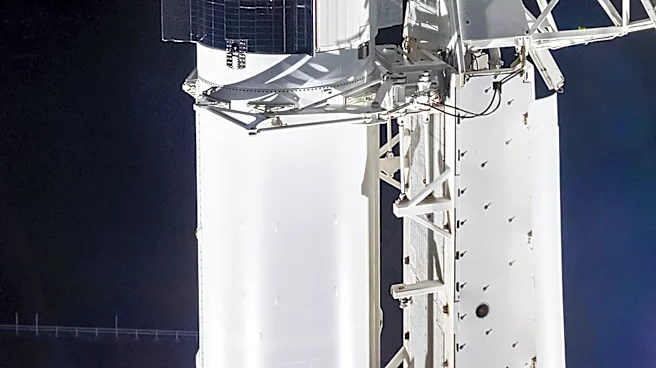
$44 billion in debt financing for AI chips, which are expected to be delivered in the first half of 2027. SpaceX will begin payments upon delivery, potentially before these chips generate revenue. Musk's concern centers on the financial strain AI companies face due to the high cost of hardware and the potential for delays in operationalizing this technology. He suggests that even minor industry delays could necessitate hundreds of billions of dollars in additional working capital. This warning contrasts with AI researcher François Chollet's view that demand for AI computing remains robust. Musk previously predicted widespread failures among over 200 companies offering AI computing power, known as neoclouds, and has ruled out SpaceX acquiring them.
Why It's Important?
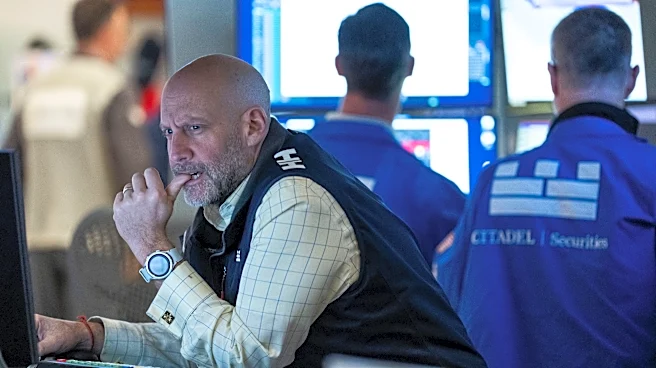
Musk's warning carries significant implications for the U.S. technology sector and its investors. The substantial debt taken on by companies like SpaceX for AI infrastructure highlights the immense capital expenditure required to compete in this rapidly evolving field. If AI companies struggle to generate revenue quickly enough to cover these costs, it could lead to financial instability, potentially impacting stock valuations and investor confidence. The recent 2% drop in the S&P 500 following the Anthropic IPO selloff and 20 major technology stocks entering bear market territory underscore existing investor anxieties. A historical parallel is drawn to the early 2000s telecom industry collapse, where companies accumulated vast debt for unused infrastructure. This scenario suggests that the AI industry could face a similar downturn if the revenue generation does not keep pace with the infrastructure investment, affecting job markets, innovation, and the broader U.S. economy.
What's Next?
The coming years will be critical for AI companies as they navigate the balance between massive infrastructure investments and revenue generation. Investors will closely monitor the financial performance of AI firms, particularly their ability to monetize their expensive hardware. SpaceX, despite a considerable financial cushion of nearly $90 billion in cash and marketable securities, will also be under scrutiny as it begins to pay for its $44 billion in AI chips. The high yield of 8.259% on the largest portion of this financing indicates the significant cost of capital. The industry will likely see increased pressure to demonstrate clear pathways to profitability and efficient utilization of AI computing power. Potential delays in chip delivery or operationalization could exacerbate financial challenges, leading to consolidation or failures among less capitalized AI firms. The market will be watching for signs of whether the AI boom can sustain its growth without encountering a significant cash crunch.
Beyond the Headlines
The potential cash crisis in the AI industry raises deeper questions about the sustainability of rapid technological advancement driven by massive capital expenditure. It highlights a fundamental tension between the promise of AI and the practical realities of its implementation and monetization. The comparison to the dot-com bubble and the telecom bust suggests a recurring pattern in emerging technologies where initial exuberance can outpace realistic revenue models. This situation could lead to a re-evaluation of investment strategies in AI, potentially favoring companies with more diversified revenue streams or those that can demonstrate quicker returns on their hardware investments. Furthermore, it could prompt a shift towards more efficient and cost-effective AI development, potentially fostering innovation in areas like energy efficiency for data centers or more accessible AI solutions. The ethical implications of such a financial squeeze could also emerge, as companies might prioritize short-term revenue over long-term ethical considerations or responsible AI development.