







What's Happening?
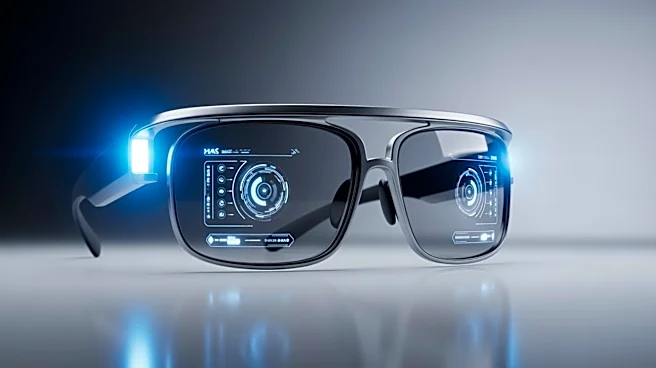
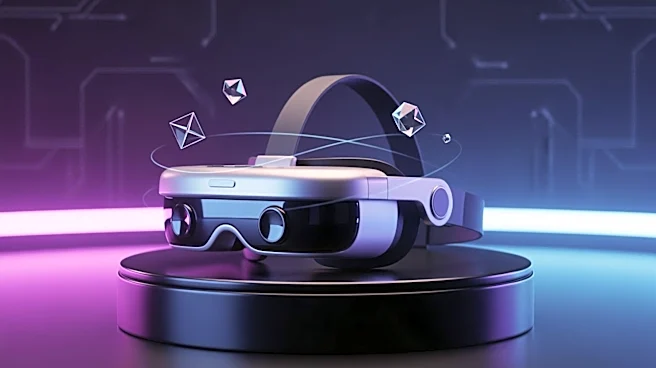
The augmented reality (AR) glasses market is experiencing significant developments in 2026, with major players like Snap and Xreal introducing new products that promise to reshape user experiences. Snap unveiled its Specs at the Augmented World Expo (AWE),
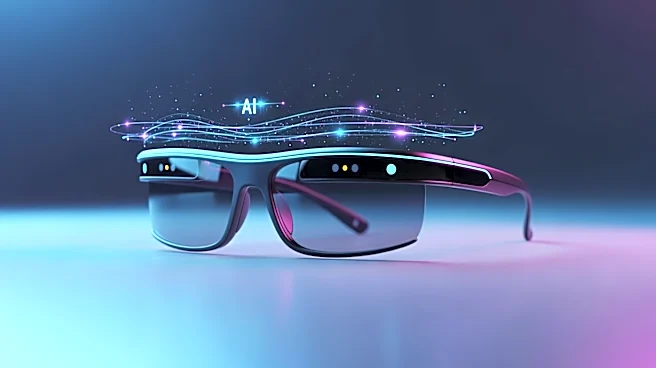
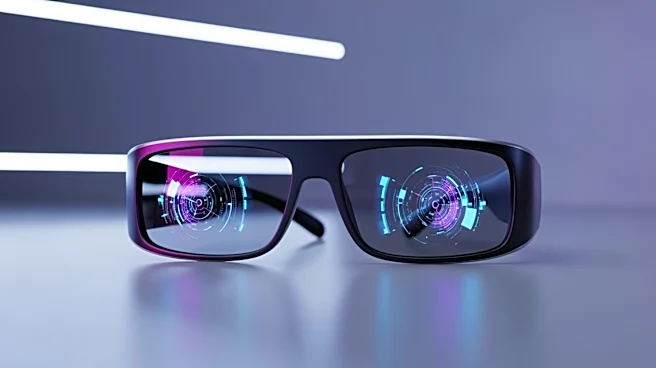
featuring a 51° field of view and electrochromic lenses, designed to offer a private 24-inch-equivalent display. Priced at $2,195, these glasses are positioned as a premium consumer device. Meanwhile, Xreal has announced its Aura lineup, which is compatible with Android devices and offers slimmer frames, targeting users who prefer AR overlays without the need for a PC. Qualcomm's Reality Elite chipset is also making waves by enhancing graphics and AI capabilities, reducing latency, and extending battery life. These advancements are expected to redefine how AR glasses are used for both work and play, with a focus on creating more immersive and practical applications.
Why It's Important?
The introduction of these advanced AR glasses is poised to impact various sectors, including technology, education, and entertainment. For consumers, the availability of high-quality AR experiences at different price points could lead to wider adoption and integration into daily life. Developers are encouraged to prioritize these new technologies to stay ahead in the evolving spatial user experience landscape. The competition between premium devices like Snap's Specs and more affordable options like Xreal's Aura could drive innovation and accessibility, potentially expanding the market for AR applications. This shift may also influence how businesses and educational institutions incorporate AR into their operations, offering new ways to engage with content and enhance productivity.
What's Next?
As these AR glasses hit the market, consumer and developer responses will be crucial in determining their success. Companies may need to address challenges related to price, usability, and content availability to ensure widespread adoption. The competition between high-end and budget-friendly options will likely continue, with each aiming to capture different segments of the market. Developers will need to decide whether to focus on optimizing for high-performance devices or cater to the broader base of phone-tethered glasses. The outcome of these strategic decisions will shape the future of AR technology and its role in everyday life.