



What's Happening?
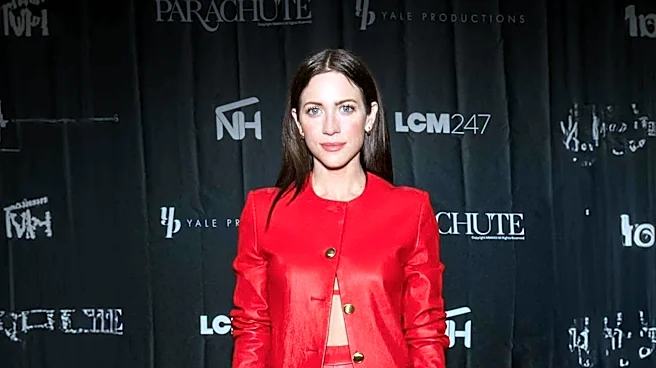
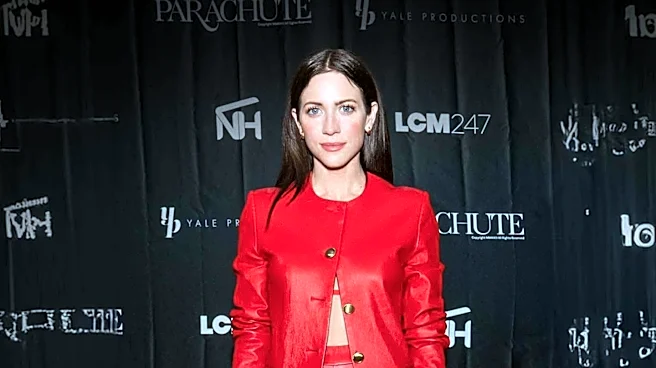
Brittany Snow, star of the Netflix series 'The Hunting Wives,' has shared her ideas for how the show should conclude, following its significant success on the streaming platform. During an exclusive interview at a PaleyLive event on November 19, Snow, who
plays Sophie, expressed a desire for an 'epic death scene' for her character. She envisioned a scenario where Sophie would either kill or be killed by Margo, or they would simultaneously shoot each other in a duel-like fashion. Snow also suggested a 'Thelma and Louise-style' ending, where the characters drive off a cliff. Malin Åkerman, who portrays Margo, echoed this sentiment, favoring a similar 'Thelma and Louise-style death' for her character. The series, based on May Cobb's book, has seen its narrative diverge from the original text, potentially to accommodate future seasons. The show explores the complex relationship between Sophie, an East Coast transplant, and Margo, a prominent socialite in an East Texas town, amidst a murder investigation and intense social dynamics. Netflix has already ordered a third season ahead of the second season's return on November 26.
Why It's Important?
The discussion around the potential ending of 'The Hunting Wives' highlights the growing trend of audience engagement and actor influence in shaping long-running television series. As streaming platforms like Netflix invest heavily in original content, the success of shows like 'The Hunting Wives' underscores the demand for compelling domestic thrillers with complex character relationships. The actors' public speculation about their characters' fates can generate significant buzz and anticipation among viewers, potentially driving higher viewership for upcoming seasons. This also reflects a broader industry shift where creative teams often adapt narratives to extend a show's lifespan beyond its source material, aiming to maximize audience retention and subscription numbers. The show's success also demonstrates the continued appeal of stories centered on female relationships, power dynamics, and dark secrets within affluent communities, resonating with a significant demographic of viewers.
What's Next?
The second season of 'The Hunting Wives' is set to return to Netflix on November 26, with a third season already ordered by the streaming service. Viewers can anticipate further developments in the intricate relationship between Sophie and Margo, as well as the ongoing murder investigation and social drama in the East Texas town. The creative team, including creator Rebecca Cutter, will likely continue to explore the 'epic, toxic love story' between the two main characters, as hinted by Åkerman. The show's deviation from May Cobb's original book suggests that future plotlines will be original to the series, allowing for more creative freedom in character development and narrative arcs. The actors' expressed desires for dramatic conclusions could influence future writing, potentially building towards a climactic ending that satisfies both the cast and the dedicated fanbase. The continued success of the series will likely lead to further discussions about its long-term trajectory and ultimate resolution.
Beyond the Headlines
The popularity of 'The Hunting Wives' and the actors' engagement with its potential ending reflect a broader cultural fascination with the dark underbelly of suburban life and the complexities of female friendships. The show taps into themes of desire, betrayal, and the pursuit of power within a seemingly idyllic setting, resonating with audiences who enjoy psychological thrillers. The 'Thelma and Louise-style' ending suggested by both Snow and Åkerman evokes a classic narrative of female rebellion and ultimate freedom, even if it comes at a tragic cost. This choice of ending could symbolize a rejection of societal constraints and a final act of agency for characters who have navigated a world of manipulation and danger. Furthermore, the show's exploration of a potential romance between Sophie and Margo, despite obstacles, speaks to evolving representations of relationships in mainstream media, challenging traditional narratives and offering more diverse portrayals of love and connection.